Atucha Strategic Advisory warns that banning online casinos in Brazil would be a trap for regulated operators
The possible exclusion of online casino games from Law 14,790 would threaten the revenue of the 87 licensed operators in Brazil, as alerted by Ramiro Atucha.
Key Takeaways
- La propuesta de prohibición del casino online en Brasil dejaría fuera a los juegos de la Ley 14.790.
- El casino online representa entre el 60% y 80% del GGR total del sector regulado brasileño.
- Pix permite controlar pagos legales, pero una prohibición favorecería el mercado offshore fuera del alcance tributario.
- 87 operadores licenciados pagaron BRL30 millones cada uno y podrían alegar ruptura de permiso si la ley cambia a mitad del período.
- El entorno regulatorio incierto eleva el riesgo para inversiones B2B y operadores en el país.
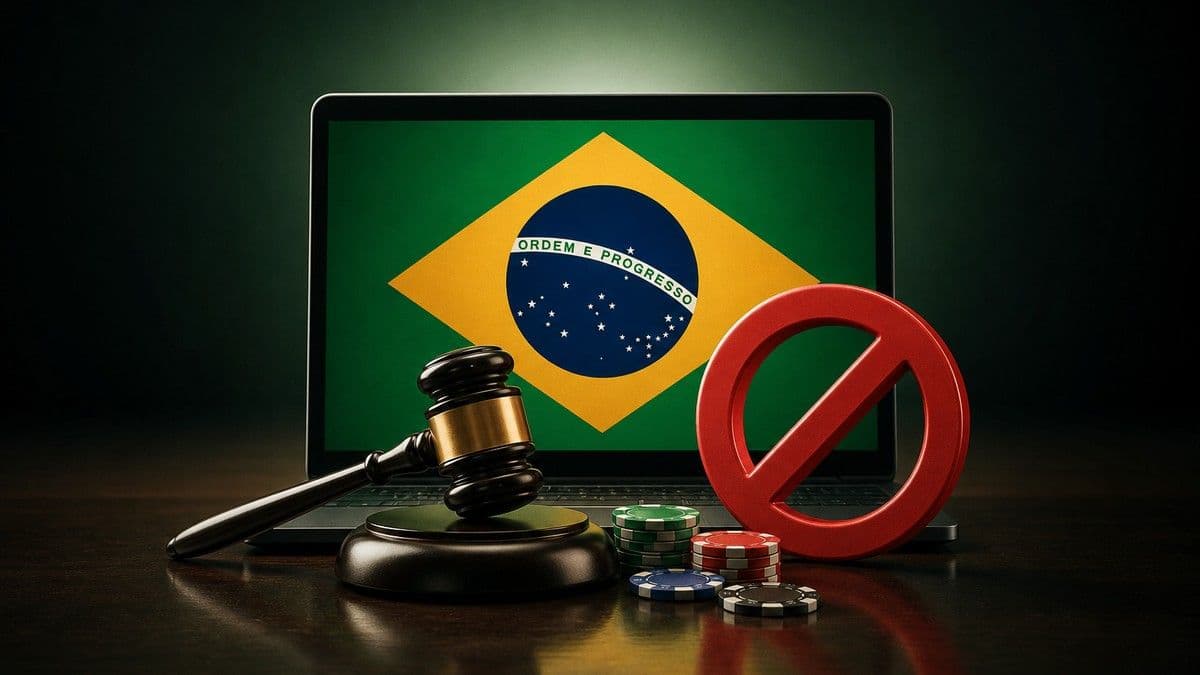
The discussion regarding the ban on online casinos in Brazil presents a scenario of deep uncertainty for regulated operators. While the Provisional Measure (MP) has not yet reached its final wording, leaks suggest the government is considering removing online casino games from Law 14,790 while maintaining sports betting and tightening advertising rules. According to Ramiro Atucha, CEO of Atucha Strategic Advisory, this would amount to a "bait-and-switch" for operators who have already invested in the regulated Brazilian market.
Legislative Process Lacking Clarity and Political Pressure
Three weeks have passed since the federal government began drafting the MP on online gaming, and the final text has yet to be published. Reports indicate that the new proposal from the Executive intends to remove online casinos from the existing law, restricting activity to sports betting and establishing stricter advertising limits. Dario Durigan, Minister of Finance, maintains that no decision has been made, defending more flexible positions. President Luiz Inácio Lula da Silva expressed his personal inclination to suppress betting but emphasized that no abrupt measures would be taken. Twelve clubs from the Brazilian Championship Serie A and five state federations signed a letter warning that the disappearance of the regulated market would jeopardize professional football.
Atucha points out that few are currently analyzing the practical consequences of a partial or total ban: "Is this a real policy or just political theater?" he questions. The sector generated BRL 37 billion (approximately £5.4 billion) in Gross Gaming Revenue (GGR) in 2025, exceeding the official projection by nearly 20%. In the first half of 2026, GGR reached BRL 20.1 billion, 15% more than in the same period the previous year.
Direct Impact on Operators and Fiscal Revenue
Currently, there are 87 licensed operators, each having paid BRL 30 million for a five-year permit. This means the state has garnered BRL 2.5 billion in fees before the first legal bet was even placed. The tax scheme includes an initial rate of 13% on GGR, increasing to 15% by 2028, along with a 34% corporate tax and a selective fee starting in 2027. Federal tax revenue was between BRL 9 billion and BRL 10 billion in 2025, and BRL 8.7 billion during the first seven months of 2026.
Different stakeholders agree that most of the GGR—between 60% and 80%—comes from igaming, not sports betting. Most operators estimate the split to be 70:30, although H2 Gambling Capital cites a 60:40 ratio. Limiting licenses to sportsbooks would mean many operators lose two-thirds of potential income while maintaining their tax and regulatory obligations. "The math doesn’t add up for most of the 87 license holders," warns Atucha.
Historical Background and Reality of the Offshore Market
Brazil experienced a similar ban between 1946 and 2024: casinos were banned for 80 years while the illegal "jogo do bicho" never ceased. The entry of the regulation in 2025 did not arise from nothing; the habit of betting has existed for decades, with or without a legal framework. Currently, the offshore market has not disappeared either: estimates place its size at 30% to 50% additional to the regulated volume.
The main innovation in regulatory enforcement has been the massive use of Pix, the national instant payments system. Currently, 96% of legal transactions use Pix, linked to the CPF, and the Central Bank can disable a payment provider within 24 hours. A ban on online casinos would return those players to sites where Pix cannot operate, and the regulator loses control capacity.
Alternative Regulations and International Precedents
The Ministry of Finance is considering alternatives to a total ban: restrictions such as maximum bet limits, waiting times between spins, prohibition of autospins and bonus purchases, as well as slowing down reels. Germany has implemented similar measures since 2021 (limit of €1 per spin and five seconds between each spin), with negative results: players migrated to unregulated sites that offered original versions of games. Providers will not tailor each title exclusively for Brazil if rules change constantly.
Atucha argues that if the goal is to mitigate the harms associated with gambling, the tools already exist within the current framework: deposit and loss limits linked to income through Open Finance, self-exclusion registration, and affordability checks. The recommendation is to focus regulation on the user’s wallet, not on the games themselves.
Economic Arguments and Legal Risks for the Industry
Politically, three out of four Brazilians express opposition to gambling, according to surveys, and the debate is a central part of the electoral campaign between Lula and Flávio Bolsonaro— the latter separated by only one point in polls. A study from the University of São Paulo (USP), cited by detractors, estimates that gambling "extracts" BRL 141 billion annually from the economy, although that figure is only reached counting the total bet and not net losses since the total GGR of the legalized market is a quarter of that amount.
Regarding operators, Atucha comments: "It’s hard not to qualify this process as a bait-and-switch for those who certified, complied, and paid." The 87 licensed companies could claim for violation of permission, legitimate expectation, and indirect expropriation, leading to long-term litigation. Additionally, constant changes in tax rules (increase in GGR tax and retroactive audits by Receita Federal) increase the perception of risk for foreign investments across all sectors.
“Removing the product that generates two-thirds of their revenue, twenty months later, and each has a claim: breach of permit, legitimate expectation, indirect expropriation, as well as the suppliers and clubs involved.” — Ramiro Atucha
Perspectives for Operators and Suppliers in Brazil
The continuity of online casinos in the regulated market in Brazil is at risk, as are the associated fiscal flows and the legal security of licensed operators. Regardless of the parliamentary outcome, a ban does not eliminate demand: it merely displaces gambling outside the reach of tax and institutional oversight.
The implications for the B2B ecosystem go beyond the casino vertical: platform providers, payment processors, and game studios will need to adapt their strategy in an environment where regulation and taxes change unpredictably. Initiatives like Pix and Sigap have raised the standard of operational control, but the potential for a restrictive MP creates uncertainty throughout the value chain, from sports clubs to tech partners.
As an international reference and innovation, the Brazilian market faces the paradox of being both a pioneer in flow control and susceptible to abrupt rule changes due to political pressures.
Frequently Asked Questions
¿Qué implica la prohibición del casino online en Brasil según la Ley 14.790?
Eliminar el casino online de la Ley 14.790 restringiría la actividad legal solo a apuestas deportivas, poniendo en peligro hasta el 70% de los ingresos de los operadores y dejando a los jugadores expuestos a opciones offshore sin supervisión.
¿Cuál es el impacto fiscal de la industria del juego regulada en Brasil?
El juego regulado generó entre BRL9 mil millones y BRL10 mil millones en recaudación fiscal en 2025, con tasas que aumentarán del 13% al 15% de GGR y el cobro de tasas selectivas a partir de 2027.
¿Cómo afectaría a los operadores la prohibición del casino online en Brasil?
Los 87 licenciatarios que pagaron BRL30 millones cada uno podrían considerar la medida como una ruptura de contrato y recurrir a la vía judicial por expectativa legítima y expropiación indirecta.
¿Por qué el sistema Pix es relevante para la regulación del juego online en Brasil?
Pix procesa el 96% de las transacciones de juego regulado y permite al Banco Central bloquear pagos a proveedores en 24 horas, actuando como principal barrera contra el mercado ilegal.
¿Qué alternativas regulatorias discute el gobierno brasileño frente al casino online?
El Ministerio de Hacienda evalúa restricciones como límites de apuesta, tiempos de espera y prohibición de bonificaciones, medidas que ya mostraron resultados negativos en mercados como Alemania.
Tags
About the author

Emilio Navarro
Industry Technology Correspondent
Emilio Navarro covers the cross-cutting technology and business of iGaming — platforms, data and AI, compliance tooling, affiliate marketing, financial results, and the stories that fit no single rubric. The reports open with the announcement, cite vendors and figures exactly as published, and keep a healthy distance from press-release language. When a supplier unveils a new engine or the advertising rulebook changes, Emilio Navarro reports what genuinely changes.
More from Emilio Navarro