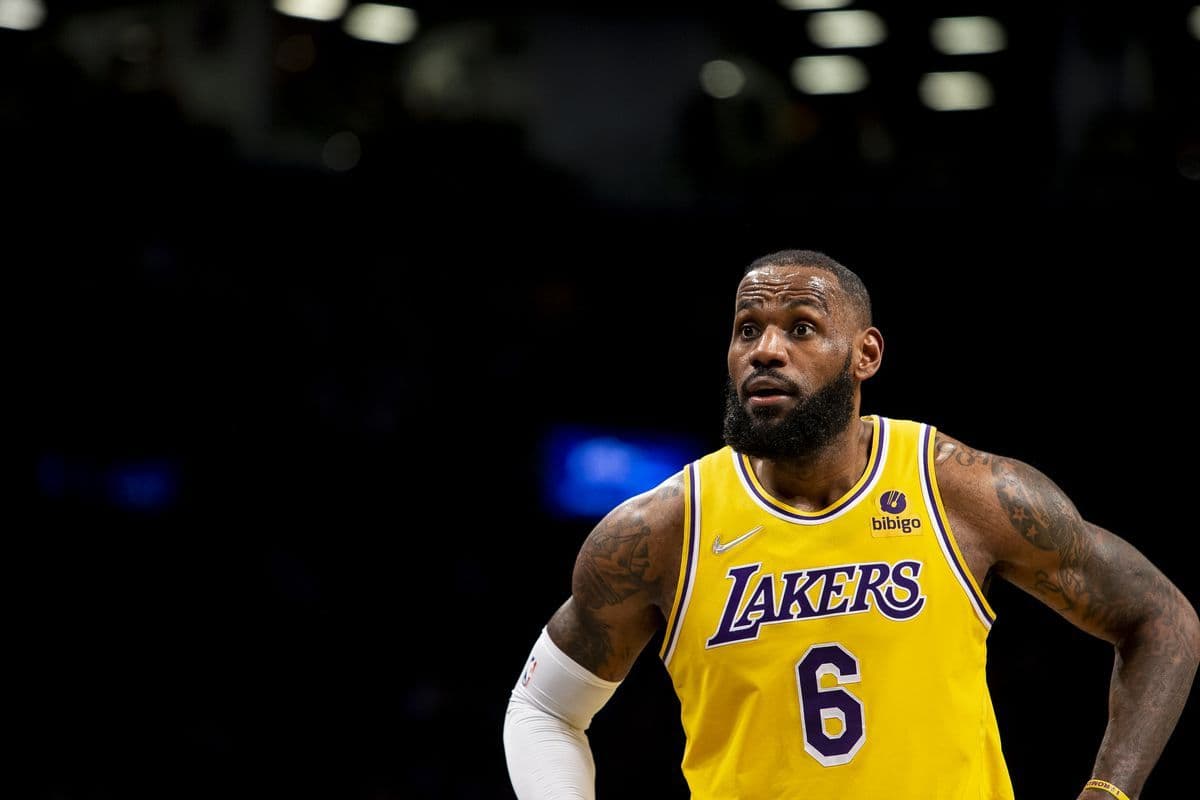
Blask: Brazil betting ban cost operators R$1.2bn in first 10 days; 188 shut
Blask data shows 125 licensed brands were Brazil-only and lost their entire market after Sept 25.
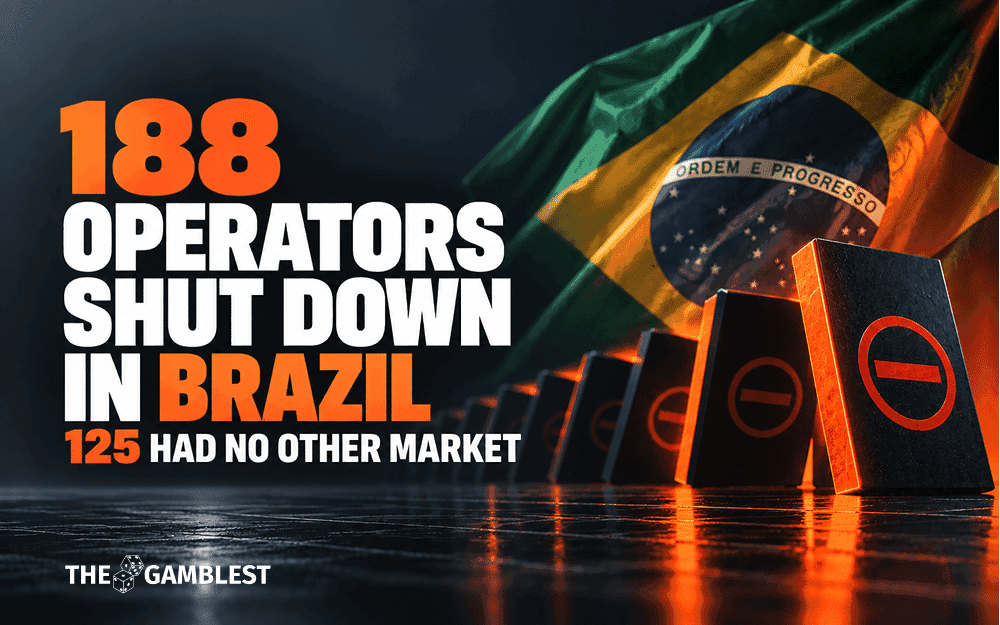
Key Takeaways
- Blask estimates the first ten days after 25 September 2026 cost operators approximately R$1.2 billion in gross gaming revenue.
- A total of 188 licensed operators were left unable to operate in Brazil; 125 of 158 licensed brands had no other market.
- Licensed-market GGR for Jan–Jun 2026 was R$20.07bn and pre-ban daily GGR was about R$111m/day.
- Betano's Brazilian CEB was $1.88 billion (51.6% of its worldwide CEB); Sportingbet had 83.7% of its CEB in Brazil.
Blask estimates the ban on betting in Brazil wiped out about R$1.2 billion in gross gaming revenue across licensed operators in the first ten days after the measure took effect on 25 September 2026. A total of 188 licensed operators were left unable to operate in Brazil; Blask's analysis shows 125 of 158 licensed brands had no other market and derived their revenue solely from Brazil.
Impact of the Brazil betting ban on operators and revenue
The immediate revenue hit was concentrated and uneven. Blask calculates licensed-market gross gaming revenue for January–June 2026 at R$20.07bn, and estimates the pre-ban daily licensed-market GGR at roughly R$111m/day. The first ten days following the policy change cost operators around R$1.2bn in GGR. Search demand for licensed brands collapsed: the Blask Index fell by 82% after 25 September 2026.
Search traffic patterns shifted but the overall market size tightened. Demand for overseas brands remained stable at about 1%, while search traffic to offshore operators rose from 3.8% to 17.8%. Blask notes the regulated segment was concentrated, with Betano, Bet365, Sportingbet and Superbet accounting for 50.9% of the Competitive Earning Baseline (CEB) in the regulated market.
Operators reported immediate employment impacts. By 5 October 2026, Blask recorded layoffs at 36 of the 188 operators. The sector supported an estimated ~10,000 direct jobs and ~5,000 indirect jobs prior to the ban.
Brazil-only brands: 125 licensed brands had no other market
Blask analysed 158 licensed brands that had been operating in Brazil. Of those, 125 had no other market and generated all their CEB from Brazil. Those Brazil-only brands accounted for a combined $3.14bn in Competitive Earning Baseline, representing 41.8% of the licensed market's CEB.
When adding five more brands where Brazil played a major role, the number rises to 130 brands controlling 51.7% of licensed CEB — more than half of the licensed market was dependent on Brazil for the majority of its business. Conversely, Blask identified 21 operators for which less than 30% of CEB was linked to Brazil; together these operators represented only 16% of licensed CEB.
Blask's assessment implies that the 125 Brazil-only brands lose their entire revenue base while the prohibition remains in place. Blask frames this group as effectively hostage to the outcome of Brazil's congressional process on the permanence of the ban.
Who lost most: brand-by-brand exposure
Blask lists several named brands inside the Brazil-only cohort and among those hit hardest internationally. Large names and examples include Esportes de Sorte, 7Games, Betnacional and Vaidebet.
Sportingbet is singled out for the greatest international reach among the most affected brands: Brazil accounted for 83.7% of Sportingbet's CEB, while its second-largest market, Greece, is less than one-tenth the size of Brazil for Sportingbet.
Betano recorded the largest absolute loss. Blask reports Betano's Brazilian CEB at $1.88 billion for January–September 2026, representing 51.6% of its worldwide CEB. Betano's second market, Chile, contributes around one-fifth of Brazil's CEB, which underlines that no single alternative market could immediately replace Brazil's revenue.
How global operators fared: smaller relative damage
Large multinational operators registered smaller proportional damage. Entain, Flutter and Bet365 are among the groups Blask cites as better diversified.
Entain told markets that its EBITDA forecast remains unchanged from before the ban, though it expects lower forecasts in the future. Flutter estimated the ban would reduce 2026 revenue by about $70 million and adjusted EBITDA by $20 million. Bet365 was reported as exposed but less so; Brazil accounted for 15.8% of its CEB across 79 sectors in Blask's dataset.
The dataset creates two clear outcomes: for the 125 Brazil-only brands the measure removes their entire market; for diversified operators like Betano, Superbet and the larger international groups the ban is a material but non-terminal revenue shock.
Market concentration, search demand and the next steps
Prior to the provisional measure, licensed operators represented 96.8% of Brazil's Competitive Earning Baseline for January–September 2026. After 25 September the Blask Index fell by 82%, and offshore interest absorbed some of the displaced search traffic.
The final status of the prohibition remains with Brazil's National Congress. If the ban persists, Blask's numbers indicate significant structural change in the competitive landscape: more than half of licensed CEB was concentrated in brands that were largely Brazil-dependent.
For platform vendors, compliance teams and investors, the metric to watch is the reallocation of CEB across markets and whether Congress moves to moderate or remove the ban. For readers tracking regulatory fallout, see developments in regulation and commercial responses in b2b.
"The collapse in search demand after 25 September illustrates how concentrated the regulated market was in Brazil," Blask told The Gamblest.
"Betano's Brazilian CEB of $1.88 billion shows the scale of exposure for some operators," Blask added.
Frequently Asked Questions
How much revenue did operators lose in the first 10 days after the Brazil ban?
Operators lost about R$1.2 billion in gross gaming revenue in the first ten days after the ban took effect on 25 September 2026. Blask arrived at the figure by comparing pre-ban licensed-market daily GGR of roughly R$111m/day to activity after the provisional measure.
How many licensed brands in Brazil had no other market?
Blask identified 125 of 158 licensed brands as having no other market and generating revenue only in Brazil. Those Brazil-only brands accounted for $3.14 billion in Competitive Earning Baseline, or 41.8% of the licensed market's CEB.
Which operators were most exposed to the Brazil market?
Betano and Sportingbet were among the most exposed; Betano's Brazilian CEB was $1.88 billion, equal to 51.6% of its worldwide CEB, while Sportingbet had 83.7% of its CEB in Brazil. Blask also named Esportes de Sorte, 7Games, Betnacional and Vaidebet among the large Brazil-dependent brands.
What was the wider labour impact recorded after the ban?
By 5 October 2026, Blask recorded layoffs at 36 of the 188 affected operators. Before the ban, the sector supported an estimated ~10,000 direct jobs and ~5,000 indirect jobs.
Tags
About the author

Oliver Grant
Industry Technology Correspondent
Oliver Grant covers the technology and business machinery of iGaming — platform and data deals, AI and compliance tooling, affiliate and marketing shifts, and the quarterly numbers behind them. The reports lead with the announcement, name the vendors and figures exactly as published, and separate genuine capability from press-release promise. When a supplier ships a new engine or a regulator tightens ad rules, Oliver Grant explains what actually changes for the companies involved.
More from Oliver Grant