Super Group cuts 2026 revenue guidance after weak sportsbook results
Q3 revenue $611M; guidance now $2.525–2.575B and $150M buyback approved

Key Takeaways
- Super Group cut its 2026 revenue guidance to $2.525–$2.575 billion from more than $2.6 billion.
- Third-quarter revenue was $611 million and quarterly profit was $142 million.
- Adjusted EBITDA guidance for 2026 is now $700–$720 million, down from a target above $710 million.
- Africa revenue rose 17% to $262 million, about 43% of reportable segment revenue.
- The board approved up to $150 million in share repurchases on 30 October; cash at 30 September was $602 million.
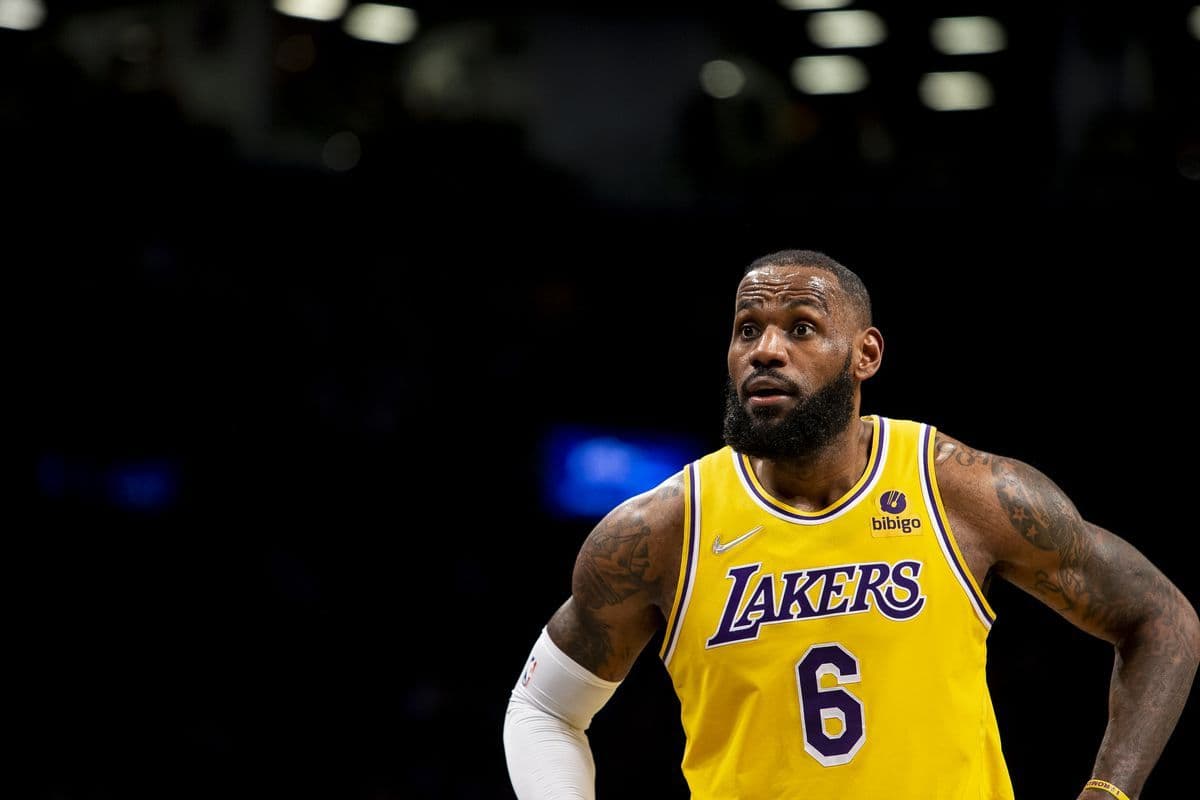
Super Group cut its revenue guidance for 2026 after weaker sports betting results reduced third-quarter performance. The Betway and Spin parent reported quarterly revenue of $611 million and now expects 2026 revenue between $2.525 billion and $2.575 billion, down from prior guidance of more than $2.6 billion.
Third-quarter results and new guidance
The third quarter closed with revenue of $611 million and quarterly profit of $142 million, up from $96 million a year earlier. Adjusted earnings before interest, taxes, depreciation and amortisation (adjusted EBITDA) for the quarter reached $165 million, an 8% year-on-year increase but below the $204 million reported in the second quarter.
Super Group has adjusted its adjusted EBITDA guidance for 2026 to a range of $700 million to $720 million, versus a prior target of more than $710 million. The company attributes the cut to customer-favourable sports results that reduced operator returns; those results cost Super Group roughly $40 million in revenue and $25 million in adjusted EBITDA during the quarter.
Casino momentum and growth in Africa
The online casino business showed growth and helped offset weakness in sports betting. The gross casino increased 16% year-on-year across the group. In the international division — covering the Americas, Europe and other markets — revenue rose 5%; within that segment, online casino revenue increased by $20 million, while [sportsbook](/sports) revenue fell by $3 million.
The Africa region was a key driver: revenue in Africa rose 17% to $262 million, representing approximately 43% of reportable segment revenue. CEO Neal Menashe highlighted profitability in Africa and the role of the [casino](/casino):
"Casino provides a durable earnings base that allows us to absorb short-term sports volatility," said Neal Menashe.
Share buyback and cash position
The board approved on 30 October a share repurchase programme of up to $150 million to run until December 2027. At 30 September the company held $602 million in cash and cash equivalents and minimal debt, which it says funds both shareholder returns and future investment. Chief Financial Officer Alinda van Wyk said the buyback reflects management's confidence in Super Group's long-term value while retaining flexibility to invest.
Frequently Asked Questions
How much revenue does Super Group now expect for 2026?
Super Group now expects 2026 revenue between $2.525 billion and $2.575 billion, replacing its prior guidance of more than $2.6 billion.
What impact did sports betting have on the guidance cut?
Customer-favourable sports results reduced operator returns and cost Super Group roughly $40 million in revenue and $25 million in adjusted EBITDA during the quarter, prompting the guidance reduction.
What role did Africa play in Q3 results?
Africa was a major contributor: revenue in the region rose 17% to $262 million, representing about 43% of reportable segment revenue and supporting group profitability.
What is the size and duration of the approved buyback programme?
The board approved on 30 October a share repurchase programme of up to $150 million, to be executed through December 2027; the company had $602 million in cash and equivalents at 30 September.
Tags
About the author

Emilio Navarro
Industry Technology Correspondent
Emilio Navarro covers the cross-cutting technology and business of iGaming — platforms, data and AI, compliance tooling, affiliate marketing, financial results, and the stories that fit no single rubric. The reports open with the announcement, cite vendors and figures exactly as published, and keep a healthy distance from press-release language. When a supplier unveils a new engine or the advertising rulebook changes, Emilio Navarro reports what genuinely changes.
More from Emilio Navarro