Africa's Responsible Gambling Challenge: Awareness, Enforcement and Data Gaps in Focus
Despite the rollout of RG tools and regulatory efforts, Africa's gambling sector continues to face major hurdles in player protection, data collection and measureable intervention effectiveness.
Key Takeaways
- Africa's Safer Gambling Week spotlights a gap between responsible gambling tool availability and their real-world impact.
- Research in South Africa demonstrates a steep rise in problem gambling, with prevalence reaching 31% in 2023.
- Industry leaders highlight that awareness, data collection, and independent evaluation are critical for effective player protection.
- Centralised self-exclusion systems like Lagos State's SafePlay offer progress, but harmonised data and standards remain rare across the continent.
Africa’s first Safer Gambling Week highlighted the continent’s growing concern over the effectiveness of responsible gambling tools, foregrounding gaps in player protection, awareness, and regulatory enforcement. Regulatory bodies, operators, and suppliers acknowledged that while RG tools are present, unclear implementation and a lack of actionable data have left their impact on problem gambling largely unmeasured—even as prevalence climbs.
Safer Gambling Week: A Continental Call for Player Protection
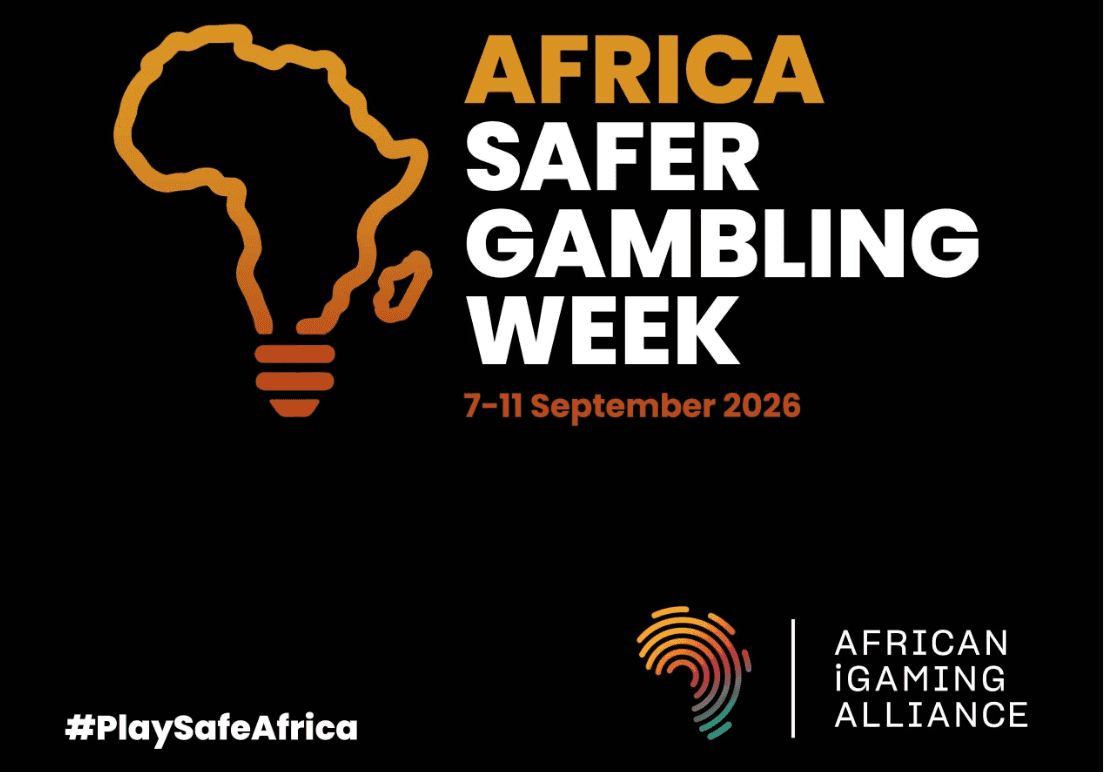
From 7 to 11 September, operators, regulators and advocates participated in the inaugural Africa Safer Gambling Week, coordinated under the #PlaySafeAfrica campaign. Organisers intend for the event to become an annual fixture, aiming to sustain dialogue around player protection across Africa’s diverse regulatory regimes. South Africa's National Gambling Board presented research showing problem gambling prevalence rose from 5.8% in 2017 to 31% by 2023. A striking 27% of gamblers surveyed in South Africa were recipients of social grants, underscoring the acute vulnerability of some player segments.
The event’s discussions moved past simply providing responsible gambling tools and scrutinised if those measures are visible, accessible, and proven to mitigate gambling-related harm. Speakers stressed that awareness initiatives must be constant, as a single campaign cannot shift entrenched behaviours.
Responsible Gambling Tools: From Existence to Effective Use
Olabimpe Akingba, head of responsible gaming at PawaTech, which services operators in 16 African markets, argued that having RG tools in place is not enough. She stated:
“Having player-protection tools available is only the first step. They can only protect players if people know they exist, understand what they are for and know how to use them.” — Olabimpe Akingba, PawaTech
Self-exclusion and deposit limit functionalities are standard across African platforms, but awareness and practical use remain limited. Players either do not know such features exist or cannot determine if they are applicable to their circumstances. This gap between availability and effect informed the launch of Safer Gambling Week, with organisers pushing for education that meets players directly, not only industry insiders.
Regulatory Oversight: From Box-Ticking to Actual Impact
Peter Emolemo Kesitilwe, CEO of the African iGaming Alliance and former head of the Gambling Authority of Botswana, identified a gap between regulatory expectations on paper and what is enforced in practice. He outlined key oversight questions:
- How swiftly are self-exclusion requests actioned?
- Does exclusion apply across all operator brands or just one?
- Can excluded players avoid restrictions by registering under a different name?
- Is marketing to self-excluded players halted reliably?
- Do exclusions transfer from online to retail locations?
Deposit limits and affordability checks face similar loopholes. Quick limit adjustments and the possibility of evasion using multiple accounts or payment methods dilute their effectiveness. Kesitilwe also highlighted limited real-time data integration into regulatory processes. Most authorities receive periodic compliance updates, not player-level risk alerts, making responsive interventions nearly impossible.
The Role of Data: Measuring Responsible Gambling Outcomes in Africa
African jurisdictions differ in research capacity and baseline surveillance. Kesitilwe recalled a Botswana Gambling Authority study that documented 36.6% active gambling participation and 6.7% problem gambling prevalence. Still, many markets lack repeated, standardised studies to assess longitudinal change or intervention outcomes.
Lagos State, Nigeria, offers an alternative: its SafePlay programme is a centralised self-exclusion register, inspired by the UK’s GAMSTOP, that covers all licensed operators in the state. Yet scaling such real-time, multi-operator systems continent-wide remains a challenge.
South Africa’s Responsible Gambling Foundation reported a 55% increase in voluntary treatment referrals, from 2,662 in 2023/24 to 4,166 in 2024/25. The size of the South African market adds urgency: National Gambling Board figures show R74.5bn (£3.67bn) in gross gambling revenue during 2024/25, with betting making up R52bn—nearly 70% of the total. As gambling participation and revenue rise, so does the risk and visibility of gambling-related harm.
Moving Beyond Compliance: Independent Evaluation of Player Protection
The sector must move past box-ticking and towards real measurement of player outcomes. Ladipo Abiose Akolade, founder of GamblePause Initiative Africa, called for external accountability:
“Operators should not be the only ones determining whether their player-protection measures are effective.” — Ladipo Abiose Akolade, GamblePause Initiative Africa
Akolade emphasised the need to ascertain whether risk behaviours are actually reduced, vulnerable customers identified before escalation, interventions delivered promptly, and treatment referrals resulting in recovery support. Operators, regulators, payment providers and public health services must collaborate, merging data analytics, behavioural science and digital investigation into regulatory routines.
Toward Shared Standards: The Future of Responsible Gambling in Africa
Kesitilwe argued for continent-wide, outcome-based reporting rather than a patchwork of legal frameworks. Operators would share anonymised figures on risky behaviours, interventions, self-exclusions, limits, underage-access attempts and follow-up results. This would enable cross-jurisdictional data analysis and evidence-driven oversight without imposing a unified legal code for different countries.
Akolade concluded that early action—before a player reaches crisis—is the real goal. Industry-wide conversations are advancing, but genuine improvement will hinge on sustained, practical interventions that shift player outcomes and reduce harm.
Whether Africa’s responsible gambling tools are sufficient is not the pertinent question—the priority is ensuring they are visible, actionable, and demonstrably effective for at-risk players. Until then, robust protection remains an unmet objective across the continent’s dynamic gambling sector.
Frequently Asked Questions
How widespread are responsible gambling tools in African markets?
Responsible gambling tools such as self-exclusion and deposit limits are present across most licensed African operators, but their actual use and effectiveness are hampered by low player awareness and inconsistent enforcement.
What are the main obstacles to effective player protection in Africa?
Major obstacles include a lack of player awareness, limited data sharing, inconsistent regulatory supervision, and insufficient cross-border cooperation, as highlighted during Africa Safer Gambling Week.
How high is problem gambling prevalence in South Africa?
Problem gambling prevalence in South Africa reached 31% in 2023, up from 5.8% in 2017, according to the National Gambling Board—an increase that signals urgent need for improved intervention.
What is the SafePlay programme in Nigeria?
SafePlay is a centralised, state-run self-exclusion system launched by the Lagos State Lotteries and Gaming Authority, designed to allow players to exclude themselves from all participating licensed operators rather than only one at a time.
Why is data central to responsible gambling strategies in Africa?
Reliable, anonymised player-level data is vital for measuring the actual impact of RG interventions and developing evidence-based policies; its absence prevents regulators from determining whether harm is increasing or interventions are effective.
Tags
About the author

Marcus Webb
Industry Deals Correspondent
Marcus Webb covers the deal flow of the gambling industry — operator strategy, M&A, market entries, and product launches from sportsbook rebrands to full platform migrations. The reports name the companies, valuations, and jurisdictions exactly as disclosed and separate the announcement from its market impact. When a group consolidates a brand or a challenger launches into a new state, Marcus Webb explains who gains, who pays, and what closes next quarter.
More from Marcus Webb