Ho-Chunk Nation Opens $705 Million Beloit Casino, Its Largest Wisconsin Site
Property opened on Friday 23 October 2026 with 600 jobs now and a hotel due in 2027.
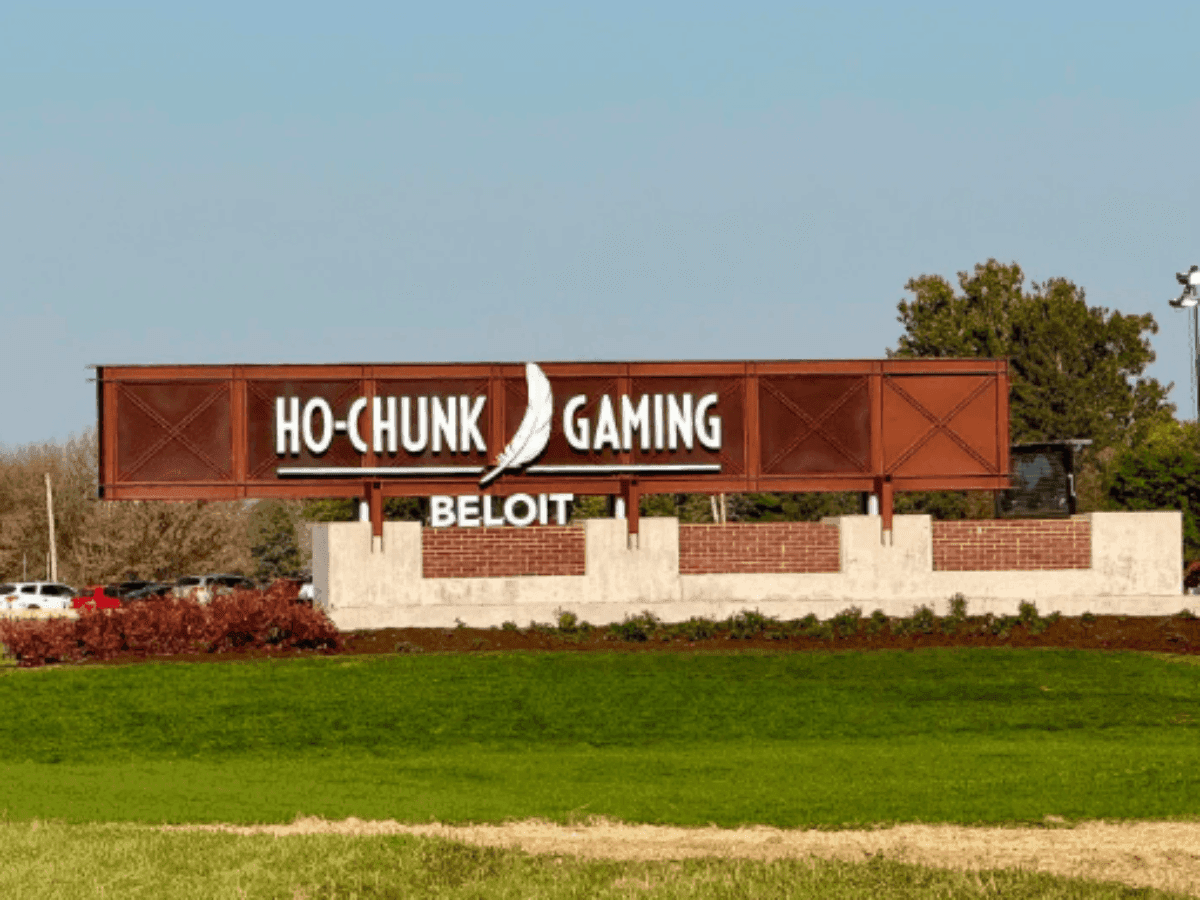
Key Takeaways
- The Ho-Chunk Nation opened a $705 million casino in Beloit on Friday, October 23, 2026.
- The property is the tribe's seventh and largest Wisconsin casino and offers at least 1,300 slot machines.
- Opening created 600 jobs immediately, with a further 900 roles expected once the hotel and conference centre open.
- Forecasts put annual net winnings above $150 million and include revenue sharing for Beloit, Rock County and Wisconsin.
- The hotel and parking structure are targeted for fall 2027, with full development potentially employing about 1,500 people.
The Ho-Chunk Nation opened its $705 million casino in Beloit, Wisconsin, on Friday, October 23, 2026. The property is the tribe's seventh and largest Wisconsin casino; the opening immediately created 600 jobs with a further 900 expected once the hotel and conference centre open.
Property scope and operations
The new casino offers at least 1,300 slot machines, table games, a steakhouse and a food truck area. Forecasts cited in local reports place annual net winnings above $150 million, and the project includes revenue sharing for the City of Beloit, Rock County and the State of Wisconsin.
A hotel and conference centre are scheduled to follow next year, with plans targeting fall 2027 for the hotel and parking structure. Visit Beloit reports the first 600 jobs are now in place from a development that could eventually employ about 1,500 people once hotel operations begin. Rock County currently has roughly 3,700 travel and tourism workers, according to Visit Beloit CEO Celestino Ruffini.
Tribal leadership and comments at opening
Ho-Chunk Nation President Jon Greendeer framed the development as an economic lever for the surrounding area. He said:
"We’re going to create those jobs. We’re going to buy those supplies. We’re going to use those services. We’re going to help you grow." — Jon Greendeer, Ho-Chunk Nation
Tribal Chief Clayton Winneshiek credited years of collaboration that transformed small-scale enterprises into the present casino operation. He told attendees that the development grew from smoke shops and bingo halls into casinos supporting surrounding communities, remarks reported by Rockford News First.
Nearby Hard Rock Casino Rockford acknowledged the opening; Wendy Alsteen, Vice President of Finance, invited visitors to choose the entertainment experience that suited them.
Cultural and community context
The project reconnects the Ho-Chunk Nation with land it began repurchasing in 1992. Beloit was once part of Ho-Chunk territory, and tribal villages and places of cultural and spiritual importance remain nearby. The opening ceremony featured traditional drumming and dancing, a flag-raising ceremony, a live DJ and appearances by former NFL players, with visitors arriving hours before doors opened.
Frequently Asked Questions
When did the Beloit casino open and who owns it?
The Beloit casino opened on Friday, October 23, 2026, and is owned and operated by the Ho-Chunk Nation.
How much did the Beloit casino cost to build and how large is it?
The development cost $705 million and is the Ho-Chunk Nation's seventh and largest casino in Wisconsin, featuring at least 1,300 slot machines and table games.
How many jobs has the project created and what are future employment plans?
The opening produced 600 jobs immediately, with another 900 expected when the hotel and conference centre open, potentially taking total employment to about 1,500.
What are the financial forecasts and who benefits from revenue sharing?
Forecasts put annual net winnings above $150 million, and the project includes revenue sharing arrangements for the City of Beloit, Rock County and the State of Wisconsin.
Tags
About the author

Marcus Webb
Industry Deals Correspondent
Marcus Webb covers the deal flow of the gambling industry — operator strategy, M&A, market entries, and product launches from sportsbook rebrands to full platform migrations. The reports name the companies, valuations, and jurisdictions exactly as disclosed and separate the announcement from its market impact. When a group consolidates a brand or a challenger launches into a new state, Marcus Webb explains who gains, who pays, and what closes next quarter.
More from Marcus Webb