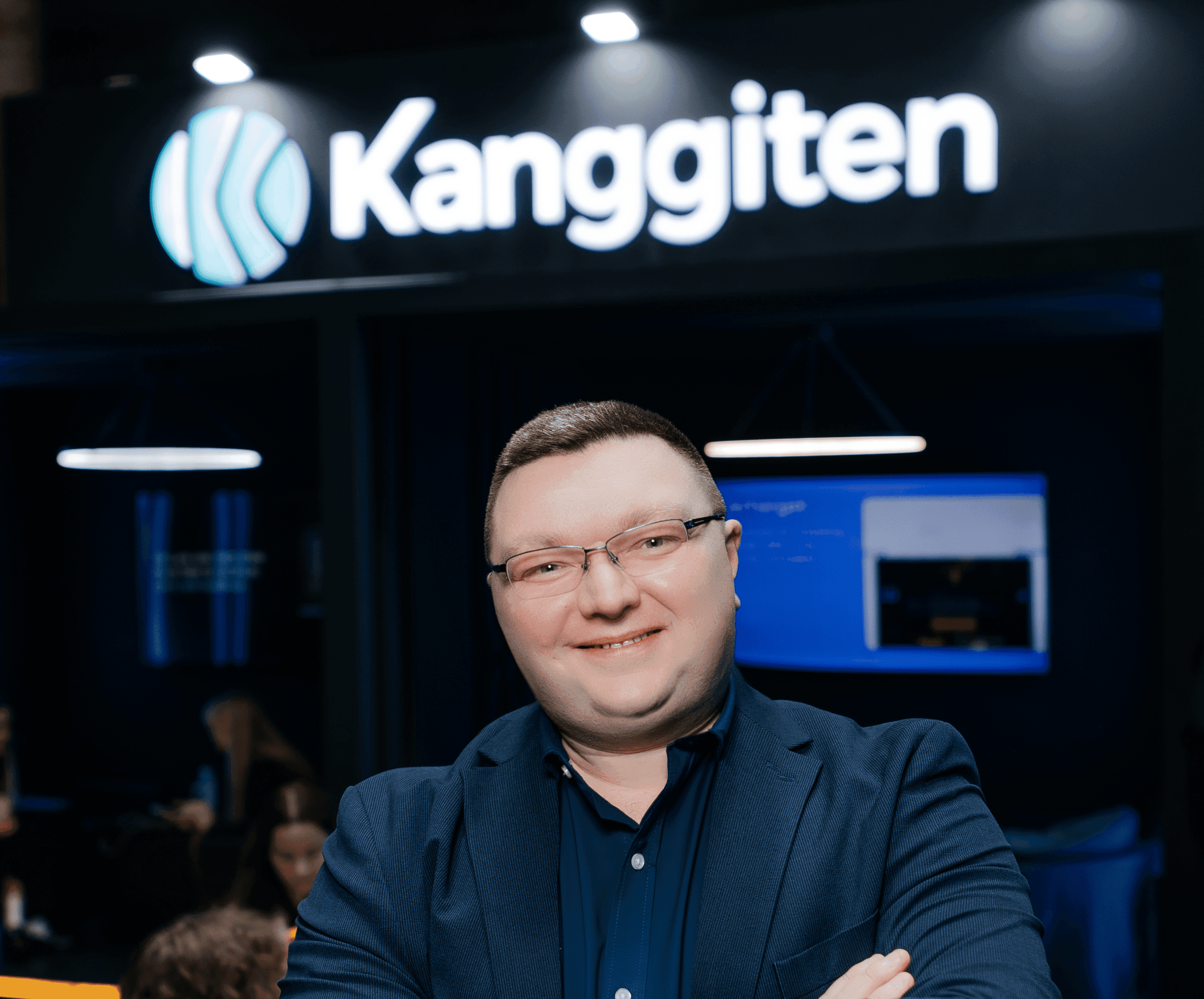
Kanggiten CEO: What Operators Miss When Launching a Second Brand
Viktor Cherkas explains why white label platform decisions for experienced operators must focus on reversibility, portfolio strategy, and true brand measurement.
Key Takeaways
- Experienced operators launching new brands on white label platforms prioritize reversibility and risk management.
- Platform flexibility and fast time-to-market matter more than standard features for multi-brand operators.
- True portfolio value depends on clear measurement, separate player cohorts, and preventing traffic overlap.
- Kanggiten CEO Viktor Cherkas stresses the importance of data ownership and predictable costs as a platform scales.
Operators launching new brands on white label platforms are increasingly experienced firms seeking scalability and risk control, not first-timers. Viktor Cherkas, CEO of Kanggiten, argues these launches demand different platform features—especially around reversibility, measurement, and data ownership. The typical evaluation criteria miss what actually determines success for multi-brand operators.
Why White Label Means Something Different to Experienced Operators
White label platforms were once positioned as the entry point for new operators. According to Viktor Cherkas, that's no longer the norm in 2026. Now, a significant share of launches comes from operators already running one or more active brands. For these companies, white label is not a temporary measure. Rather, "it is a way to launch faster, invest less upfront and reduce the risk if the new brand does not perform," Cherkas comments.
First-time operators tend to focus on what's included in the package. In contrast, experienced firms ask two critical questions:
- How fast can we be live?
- What are the real costs—and exit costs—if the brand does not work?
This shift in priorities has changed both how platforms are selected and the terms operators consider non-negotiable.
How Portfolio Brands Differ from Vanity Launches
For a second or third brand to create real value, it must solve a distinct business problem. Cherkas highlights that “a second brand should solve a specific problem. It may target a different audience, offer positioning the flagship brand cannot, or monetise traffic the current brand fails to convert.”
Operators need to clarify, before launch:
- The hypothesis being tested (audience, positioning, product fit)
- The metric for success
- The timetable for deciding whether to scale or close the new brand
Without clear criteria, additional launches are essentially vanity projects, lacking a true portfolio strategy.
Evaluating White Label Platforms: Reversibility and True Costs
Operators often model setup costs and revenue share as if those were the only variables. Cherkas warns this leaves out the most crucial question: when will you know if the new brand actually works? A brand's launch date means little. The analysis starts once sufficient player cohorts place deposits and complete at least one bonus cycle.
“Until the wagering is completed, part of what looks like revenue is still a potential liability,” Cherkas says. For launches attracting good traffic, operators can usually judge viability after 30 days. Lower volume tests require longer. Failure to set these decision-rules from the outset risks ambiguity months later—not ideal for agility-focused businesses.
Measurement Pitfalls with Multiple Brands
Running multiple brands introduces new measurement problems. Each must be evaluated separately, including player behaviour, bonus economics, and source-level affiliate attribution. One common pitfall: traffic overlap. A secondary brand might appear to generate incremental revenue, but later discovery shows its players originally came from the flagship’s sources, cannibalising rather than growing the business.
To avoid this, Cherkas recommends:
- Testing the new brand with traffic sources not used by the flagship
- Alternatively, excluding key sources from the main brand during launch tests
Initial volumes may drop, but the outcome provides genuine, not illusory, results.
Testing Platform Flexibility and Operational Factors
When experienced operators assess platform providers like Kanggiten, flexibility and reversibility are as important as core features. Areas to test include:
- Time to market: Kanggiten's experience shows most operational setups complete in seven to 21 business days
- Cost and complexity of shutting down a non-performing brand
- Data ownership—who holds the player records if the brand is closed?
- Whether adding a fourth or fifth brand remains as simple and cost-effective as adding the second
- Ability to transfer successful tactics—e.g., a new bonus structure—to other brands in the portfolio
As Cherkas notes, "Speed is not the only point. The cost and complexity of each additional brand should remain predictable." Scalable efficiency and operational learnings are core to a mature portfolio strategy.
Two permanent limits apply:
- A new brand launch will not fix a fundamental conversion problem in the business.
- Launching via a white label platform does not remove the requirement for legal market access; licensing remains a separate obligation.
“A new brand will not fix a fundamental conversion problem. And launching through a platform does not replace licensing – legal market access is always a separate question.” — Viktor Cherkas, CEO of Kanggiten
Kanggiten's Approach to Multi-Brand Platform Strategy
Kanggiten, led by Cherkas, has supported launches across more than 50 brands. The provider covers casino and sportsbook engines, game aggregation, payments, affiliate management, and CRM. Cherkas’s operating background shapes Kanggiten’s focus on operational reversibility, quick iteration, and giving experienced operators the tools to measure each brand separately.
For operators, the message is clear: the metrics and mechanisms for reversing a launch should be part of the platform evaluation from the start—not an afterthought once the brand is live.
Why This Matters for iGaming Decision-Makers
With increasing portfolios, brands, and market tests, the structural factors underlying launch—and exit—are now a core part of due diligence. Reversibility, measurement, and data controls are fundamental for operators planning to iterate on brand strategies or respond quickly to market data. As white label offerings mature, these requirements are becoming industry standard.
Frequently Asked Questions
What is the main reason experienced operators use white label platforms for brand launches?
Experienced operators favour white label platforms to reduce upfront investment, enable faster launches, and limit risk if a new brand fails. For them, reversibility and cost predictability are more important than entry-level product features.
How quickly can an operator launch a new brand with Kanggiten?
Operational setups with Kanggiten are typically completed in seven to 21 business days. This timeline allows for swift entry and early performance measurement.
Why is separate measurement critical in multi-brand strategies?
Each brand requires its own player cohort analysis, bonus economics, and affiliate attribution to avoid misleading results such as traffic cannibalisation. Overlapping sources can mask whether the new brand truly adds value.
What should operators test when evaluating a white label platform?
Operators should assess how easily new brands can launch and close, whether player data is fully portable, and if tactics can be transferred across brands. Predictable costs for each additional brand are also essential for long-term portfolio growth.
Does using a white label platform remove the need for separate licences?
Using a white label platform does not replace national licensing requirements. Legal market access remains a separate and necessary compliance obligation for all new brands.
Tags
About the author

Marcus Webb
Industry Deals Correspondent
Marcus Webb covers the deal flow of the gambling industry — operator strategy, M&A, market entries, and product launches from sportsbook rebrands to full platform migrations. The reports name the companies, valuations, and jurisdictions exactly as disclosed and separate the announcement from its market impact. When a group consolidates a brand or a challenger launches into a new state, Marcus Webb explains who gains, who pays, and what closes next quarter.
More from Marcus Webb