The True Cost of Entering the African iGaming Market — Beyond Licensing
SoftSwiss panel: licence fees are small; localisation, certification and payments drive spend.
Key Takeaways
- SoftSwiss's 9 October 2026 panel concluded licensing is a small portion of launch costs for Africa; localisation, certification, payments and local staffing dominate spend.
- Africa comprises 54 countries with distinct rules; operators must apply separate compliance approaches for each jurisdiction.
- In South Africa, provincial licence approvals can take three, six or 12 months and platforms must deliver 21 market-specific regulatory reports.
- Payment methods vary by market: mobile money in Kenya, vouchers/EFT/cards in South Africa, and USSD or agent networks elsewhere.
- Operators should run a feasibility study, engage a local partner and a test lab early, and budget for technology that performs at real player volumes.
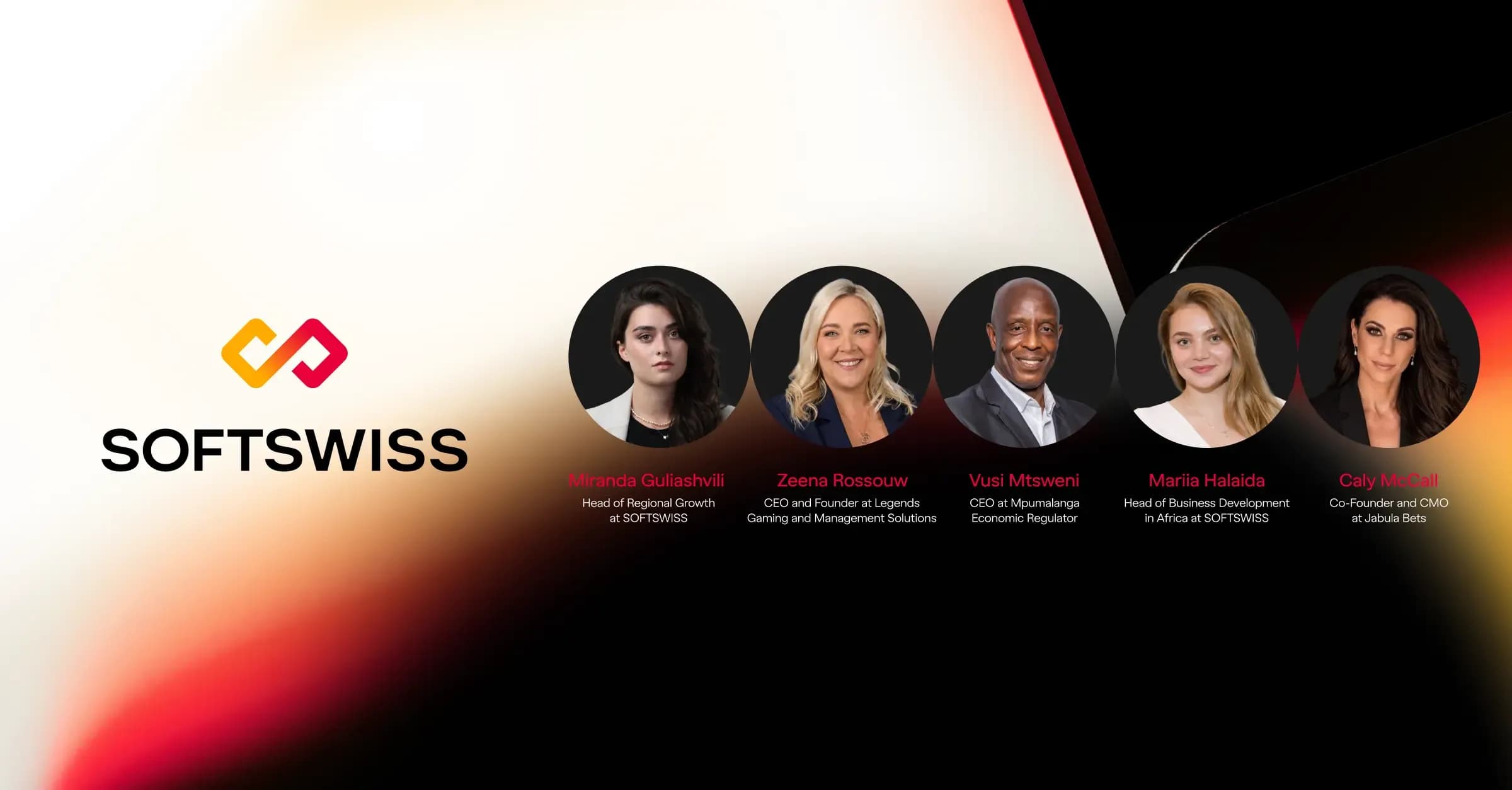
SOFTSWISS hosted a LinkedIn Live panel on 9 October 2026 titled “Not a Cheap Bet: The Economics of Launch in the African iGaming Market.” The session examined practical market-entry costs with South Africa as the primary case and concluded that licensing is only a fraction of total spend; most budgets go to localisation, certification, local staffing and payments. Panellists included the Mpumalanga Economic Regulator, operator Jabula Bets, consultancy Legends Gaming and Management Solutions, and SOFTSWISS.
Market reality: entering the African iGaming market requires country-level plans
Panellists were unanimous that Africa is a continent of separate markets rather than a single addressable region. The continent comprises 54 countries with different licensing rules, anti-money laundering requirements and player habits. An operator can run one platform across several countries technically, but must still deploy a separate compliance approach for each jurisdiction.
Payments underline those differences. Mobile money is dominant in Kenya; in South Africa players use vouchers, electronic funds transfers and cards; other markets rely on USSD and agent networks. Content libraries are similarly localised: a game set that resonates in Kenya will not necessarily work in West Africa or South Africa. SOFTSWISS's Head of Business Development in Africa, Mariia Halaida, summarised the product-side implication:
"If you want to operate in Kenya, you would have a different set of game providers than in West Africa or South Africa. So for us as a platform provider, aggregation provider, it’s crucial to offer our clients the content that would fit their needs and their markets. We don’t have just one offer for everyone out there. It’s completely personalised." — Mariia Halaida, Head of Business Development in Africa, SOFTSWISS
South Africa as an example: licensing is small; process and certification take time
South Africa showed how much work sits beyond the licence. Operators apply province by province, and each of the nine provincial authorities follows its own process. Approval times vary: applications can take three, six or 12 months, depending on the province and the complexity of the application.
After a licence is granted, operators still need product certification from a test lab and the South African Bureau of Standards (SABS). Platforms must produce 21 market-specific regulatory reports. The panel noted that some operators licensed more than a year ago still have not launched because their software required additional development to meet regulator and test-lab demands.
"For international operators, don’t come to South Africa simply because the market is growing. Come because you understand the market, the regulatory environment, the consumer and the economics. And because you are prepared to invest for the long term." — Vusi Mtsweni, CEO, Mpumalanga Economic Regulator
Where operators spend money: a breakdown beyond the licence
Licensing itself is one of the smaller launch costs, the panel agreed. The larger items operators should budget for include:
Localisation of content and UX for each market and language variant
Certification and test-lab fees, including SABS in South Africa
Establishing a local company and hiring staff
Broad-Based Black Economic Empowerment (BEE) compliance in South Africa
Technology scaling to handle real player volumes rather than minimum launch requirements
Payments integrations tailored to market (mobile money, vouchers, USSD, EFTs)
Ongoing marketing to compete with established local brands
Panel speakers warned that many operators budget for a platform that can launch but not one that performs under real player volumes. A slow platform, failed deposit or poor customer service can nullify marketing spend: the operator pays to acquire a player who then encounters a barrier and churns.
Practical advice: feasibility, partners and technology choices when entering African markets
The discussion focused on preparation. Recommended steps for operators were:
Build a business strategy first, then assess markets against that plan.
Commission a full feasibility study and carry out due diligence on every local partner.
Engage early with a local partner and an accredited test lab.
Plan budgets for certification, localisation and ongoing marketing rather than a single launch expense.
On technology, the panel emphasised that building a platform in-house can become a multi-year, multi-million project. Many operators therefore choose an experienced provider that can offer integrations for local payments and curated content. For vendors and platform providers, the implication is clear: clients will demand market-specific content aggregation, fast certification pathways and hardened performance under live volumes.
Commercial implications for suppliers and operators
Platform providers, aggregation services and vendors should prepare for demand in three areas: localisation services, payments integrations and compliance tooling. Operators entering Africa will prioritise suppliers that can provide a tested path to certification and the content mixes suited to particular markets.
Marketing was highlighted as a recurring cost that must run steadily. The panel noted that competing with established local brands requires ongoing investment; one-off launch campaigns are unlikely to secure long-term player bases.
Final considerations from the panel
The session framed African entry as a series of market-specific problems to be solved rather than a single continental project. Licensing opens the door, but the real work — payments, certification, local teams, compliance reports and market-appropriate content — determines whether an operator launches successfully and sustains growth.
The panel's counsel for entrants was consistent: invest in market understanding, plan for certification timelines, partner with local experts and budget for ongoing marketing and technology performance rather than treating the licence as the primary cost.
Frequently Asked Questions
What are the main costs when entering the African iGaming market?
The main costs are localisation, certification, establishing a local company and staff, Broad-Based Black Economic Empowerment (BEE) compliance in South Africa, technology to handle real player volumes, payments integrations and steady marketing. The panel at the SOFTSWISS LinkedIn Live session on 9 October 2026 agreed that licensing fees are comparatively small.
How long do licence approvals take in South Africa?
Licence approval in South Africa varies by province and complexity and can take three, six or 12 months. Operators must apply province by province to one of the nine provincial authorities, each with its own process.
Which payment methods should operators support across Africa?
Operators should support different payment methods by market: mobile money in Kenya, vouchers, electronic funds transfers and cards in South Africa, and USSD or agent networks in other territories. The panel highlighted payments as a clear example of market variation across the continent.
Do platforms need separate certification after licensing in South Africa?
Yes. After licensing, products require certification from a test lab and the South African Bureau of Standards (SABS), and platforms must produce 21 market-specific regulatory reports. Some licensed operators have still not launched because additional software development was needed to meet these requirements.
Should operators build their own platform to enter African markets?
Building an in-house platform can become a multi-year, multi-million project, so many operators choose experienced providers instead. The panel advised weighing the time and cost of in-house development against suppliers that can deliver local payments, content aggregation and certification support.
Tags
About the author

Marcus Webb
Industry Deals Correspondent
Marcus Webb covers the deal flow of the gambling industry — operator strategy, M&A, market entries, and product launches from sportsbook rebrands to full platform migrations. The reports name the companies, valuations, and jurisdictions exactly as disclosed and separate the announcement from its market impact. When a group consolidates a brand or a challenger launches into a new state, Marcus Webb explains who gains, who pays, and what closes next quarter.
More from Marcus Webb