What 24/7 Sportsbook SLA Support Means—And How To Evaluate Vendors
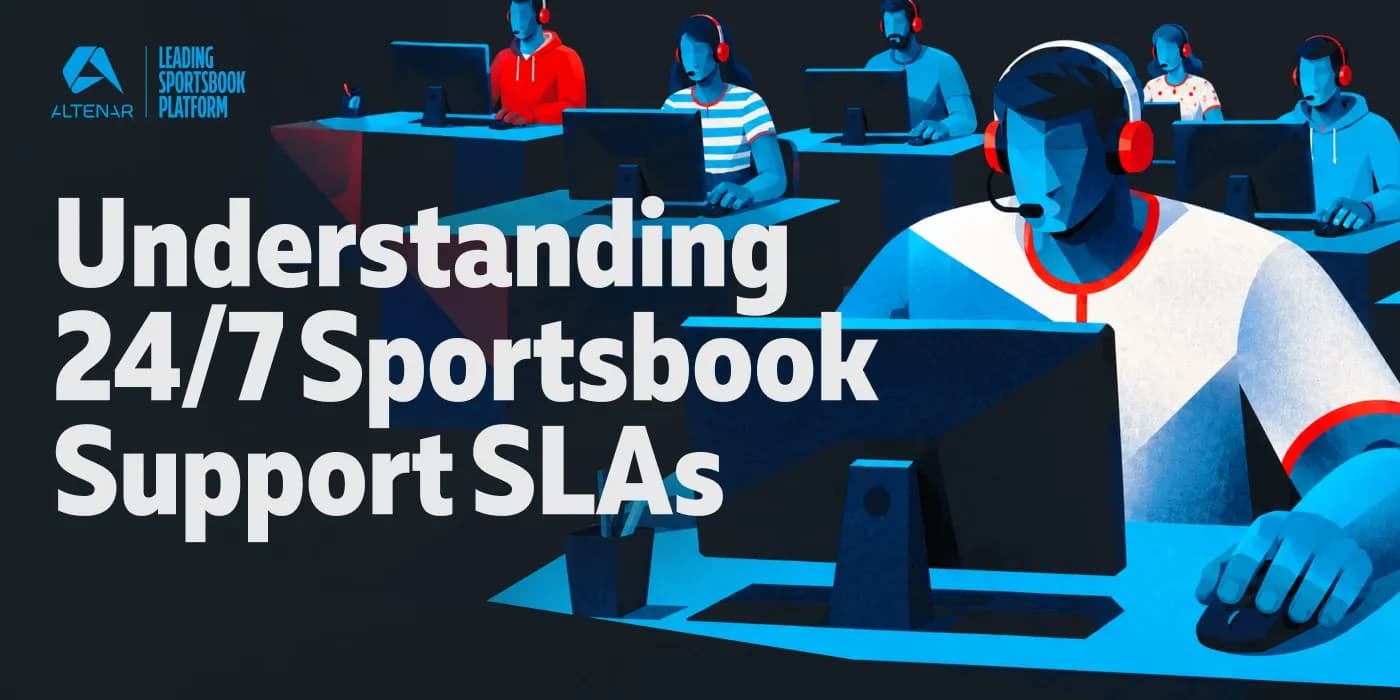
Operators must look past '24/7 support' marketing tags and assess concrete operational maturity, incident proof points, and business continuity standards in sportsbook SLA selection.
Key Takeaways
- Effective sportsbook SLAs are frameworks for business continuity, not just response times or ticketing promises.
- Continuous monitoring and structured escalation reduce betting downtime and commercial risk.
- Operators must evaluate provider claims against real incident history, operational maturity, and root-cause analysis.
- 24/7 support means more than availability; it demands proactive detection, ownership, and rapid resolution during live events.
- Modern platforms require operational disciplines that support resilience and player confidence under constant load.
Sportsbook operators cannot rely on the phrase '24/7 support' alone when evaluating platform SLAs. Genuine operational continuity during live events depends on the provider’s incident management processes, continuous monitoring and demonstrated track record, not just written uptime or response time targets. Experienced iGaming technology suppliers illustrate operational maturity through proactive incident detection, clear escalation, and transparent communication, ensuring betting operations remain resilient even when under severe pressure.
Why 24/7 Support In Sportsbook SLAs Is More Than Just A Ticket Desk
The round-the-clock nature of global sports betting means operational support cannot simply amount to answering support requests out of hours. Sporting calendars never sleep—from European football into North American events, through tennis, cricket, esports, and more—so platform integrity and player service must remain stable regardless of time zone. Live betting environments further amplify the pressure: odds shift every second, markets suspend and reopen, and thousands of bet settlements require immediate attention. When issues arise, any delay in detection or response directly risks revenue and player trust. This context clarifies why a sportsbook’s support is fundamentally about business continuity—not fielding tickets.
Key operational expectations for sportsbook platforms include:
- Continuous, proactive monitoring of core systems and integrations (not just manual checks)
- Immediate action on detected anomalies, especially when live markets are at risk
- Fast, accurate settlement and player account operations with no downtime
- Real-time communication of incident impact, status, and progress
"Every operational issue has the potential to become a customer experience issue, and ultimately a commercial one," the source states.
Sportsbook SLA Support As Business Continuity: What It Should Cover
Evaluating a sports betting SLA means asking how the agreement upholds the continuity of trading, risk management, and customer interaction—not just legal promises. Operators should demand clarity across several functional areas:
- Availability: Beyond impressive uptime percentages, each minute of downtime is lost revenue and player activity.
- Response Times: Clock speeds matter little; what’s vital is prompt acknowledgment, demonstrating awareness and coordinated recovery from the start.
- Resolution Targets: These define expectations for how swiftly normal operations are restored, especially under high-priority incidents.
- Escalation Procedures: Not every issue stops at front-line support. Effective SLAs specify clear hand-offs to engineers, risk teams, or third-party providers, minimising bottlenecks.
- Continuous Monitoring: The best providers detect problems before they affect traders or players, enabling earlier interventions and shorter disruptions.
- Communication: During any technical incident, transparent and real-time updates to operators reduce additional confusion and commercial risk.
All of these points must serve the core objective: keeping betting available, supporting player trust, and minimising the impact of unexpected outages.
Operational Maturity and Provider Due Diligence
Any supplier can draft an SLA with ambitious uptime or response targets, but genuine fitness for operational reality becomes clear only under stress. Experienced sportsbook operators therefore probe behind the paperwork. They look for operational maturity—the blend of people, process, and technology that detects, manages, and learns from incidents so that problems never become systemic crises.
Mature operations:
- Detect and react to technical anomalies before customers notice
- Institute structured incident ownership, so no one is unclear about responsibilities
- Proactively communicate with operators at every incident stage
- Conduct thorough root-cause analysis, using post-mortems to strengthen future resilience
Continuous operational improvement—measured by real-world incident stats, not just SLAs on paper—separates top-tier platform partners from purely commercial vendors.
Key Questions To Ask Sportsbook SLA Providers
True operational capability is tested by questions about evidence, not just promises. Operators are encouraged to verify with:
Historical Performance
- What actual uptime was achieved over the last 12 months?
- How often did the provider miss SLA targets, and what major incidents occurred?
- Which improvements were made as a result?
Incident Management
- Who owns major incidents end-to-end?
- Can the escalation process be demonstrated step by step?
- How quickly are engineers and decision-makers engaged?
Monitoring & Visibility
- Which systems have continuous, automated monitoring?
- How many incidents are caught proactively versus by customer report?
Live Betting Operations
- What workflow is followed if an odds feed fails during a top-tier match?
- How swiftly can live markets be safely restored?
Post-Incident Practice
- Is root-cause analysis and review mandatory after critical incidents?
- How is recurring risk mitigated over time?
Communication and Partnership
- Who serves as primary operational contact?
- How are service quality and incident history reported to clients?
For operators deciding between platforms, thorough answers to these questions offer insight that no marketing brochure can match.
Why Modern Sportsbook Operations Demand More Than The Traditional SLA
Today’s iGaming landscape means performance is measured not only in uptime but in resilience throughout the entire operational chain. Platform functionality is necessary, but operational discipline and transparent, tested processes are equally vital. Providers like Altenar and others that invest in structured monitoring, incident response, post-event review, and ongoing improvement set themselves apart by making sportsbook business continuity a lived practice, not just an SLA bullet point.
For the industry, viewing support as a standalone function is outdated. Operators need partners with the organisational capability to prevent disruptions, minimise downtime when incidents occur, and reliably handle surge pressure during live events. As player and regulator expectations climb, this operational mindset will remain central to platform selection and operator success.
Frequently Asked Questions
What is the real purpose of a sportsbook SLA?
A sportsbook SLA is primarily a business continuity agreement, not just a promise of support ticket responses. It encompasses operational processes and escalation that maintain betting operations and revenue under pressure.
How can an operator assess a provider's 24/7 support claim?
Operators should request real uptime data, ask about historical SLA performance, and probe the provider’s escalation and monitoring practices. This exposes if the provider has genuine round-the-clock operational maturity.
Why is continuous monitoring essential for sportsbook platforms?
Continuous monitoring enables providers to detect and address issues before players or operators notice disruptions. Early detection protects live betting continuity and minimises player impact.
What should be included in an effective sportsbook SLA?
An effective sportsbook SLA should cover service availability, response and resolution times, escalation protocols, continuous system monitoring, and transparent communication during incidents.
How do experienced providers build operational resilience beyond the SLA?
Leading providers conduct post-incident reviews, identify root causes, and improve processes to prevent recurrence, strengthening long-term reliability and credibility for operators.
Tags
About the author

Marcus Webb
Industry Deals Correspondent
Marcus Webb covers the deal flow of the gambling industry — operator strategy, M&A, market entries, and product launches from sportsbook rebrands to full platform migrations. The reports name the companies, valuations, and jurisdictions exactly as disclosed and separate the announcement from its market impact. When a group consolidates a brand or a challenger launches into a new state, Marcus Webb explains who gains, who pays, and what closes next quarter.
More from Marcus Webb