Wplay CEO Discusses Challenges and Opportunities in LatAm iGaming
Julio César Tamayo shares insights on operating in a maturing LatAm market, regulatory impacts, and the role of AI in industry evolution.
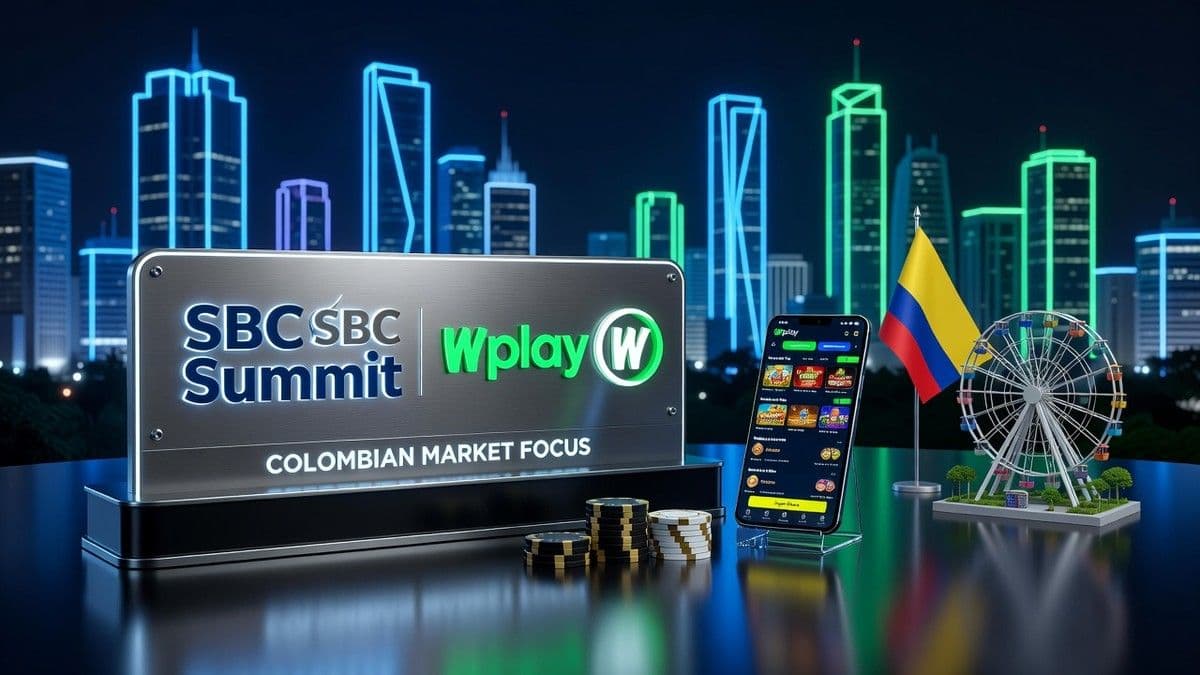
Julio César Tamayo, CEO of Wplay, recently highlighted key challenges and opportunities for the Latin American online gaming industry in an exclusive interview with SBC News. With market maturity setting in, Tamayo discussed the evolving strategies needed for sustainable growth amid regulatory changes and competitive pressures.
Navigating a Maturing Market
The growth of the Latin American online gaming market has been significant, with annual rates once exceeding 25%. However, Tamayo notes the shift towards maturity, where growth alone no longer suffices. Operators who will lead over the next decade are those integrating innovation, financial discipline, and strong corporate governance.
The importance of trust within the sector is emphasized, alongside the need for companies to adapt and maintain sustainable practices. As Tamayo states, "The next stage in LatAm online gaming isn't just about expansion; it's about building enduring businesses."
Colombia: A Case Study in Regulation
Colombia presents itself as a leading example of a regulated and attractive market for investment. Despite recent tax changes that imposed a nearly 70% burden on operator revenues, Tamayo believes that stability and predictable regulations are crucial. "The real challenge for a mature market is not just creating rules but ensuring they are stable and adaptable," he explains.
The discussion is centered around maintaining a balance among fiscal sustainability, competitiveness, and consumer protection. Failure to achieve this balance can lead to increased illegal offerings, which lack governmental contributions and consumer safeguards.
Exploring New Opportunities in LatAm
When evaluating expansion opportunities, markets like Brazil, Colombia, and Peru stand out due to their regulatory stability and evolving models. While size remains a factor, Tamayo asserts that long-term regulatory predictability is paramount. "Investors now prioritize building businesses that can last over twenty years," he says.
Markets such as Peru show a positive trend towards stability, offering promising growth potential. The focus is on fostering confidence for long-term investment throughout the region.
Tackling Operational Challenges with AI
Major events, like the World Cup, have shown Tamayo how large-scale operations test a company's resilience. During such events, Wplay experienced a 40% increase in revenue, highlighting the need for seamless coordination across multiple departments.
The future sees artificial intelligence as a transformative force, influencing fraud prevention, personalization, and operational efficiency. However, Tamayo cautions that AI should enhance decision-making without replacing human judgment, emphasizing the industry's need for responsible and transparent AI integration.
Upholding Responsible Gaming
Julio César Tamayo believes that an operator's license is granted not just by regulators but by societal trust. "Responsible gaming is now a central component of sustainable business," he explains. Wplay continues to prioritize consumer protection, prevention, and education as essential responsibilities.
The emphasis on trust extends beyond customers, affecting relationships with regulators, investors, and partners. In mature markets, long-term vision and a firm compliance culture are necessary to establish genuine competitive advantages.
Amidst these discussions, the upcoming SBC Summit Lisbon 2026 will further explore sustainability, industry resilience, and global cooperation. "The industry has shown its ability to grow; now it must demonstrate it can endure," concludes Tamayo.
Tags
About the author

Marcus Webb
Industry Deals Correspondent
Marcus Webb covers the deal flow of the gambling industry — operator strategy, M&A, market entries, and product launches from sportsbook rebrands to full platform migrations. The reports name the companies, valuations, and jurisdictions exactly as disclosed and separate the announcement from its market impact. When a group consolidates a brand or a challenger launches into a new state, Marcus Webb explains who gains, who pays, and what closes next quarter.
More from Marcus Webb