WSOP Reverses Decision: No Shot Clocks for Main Event Final Table
WSOP adjusts rules for the Main Event Final Table after controversy over shot clocks on earlier days.
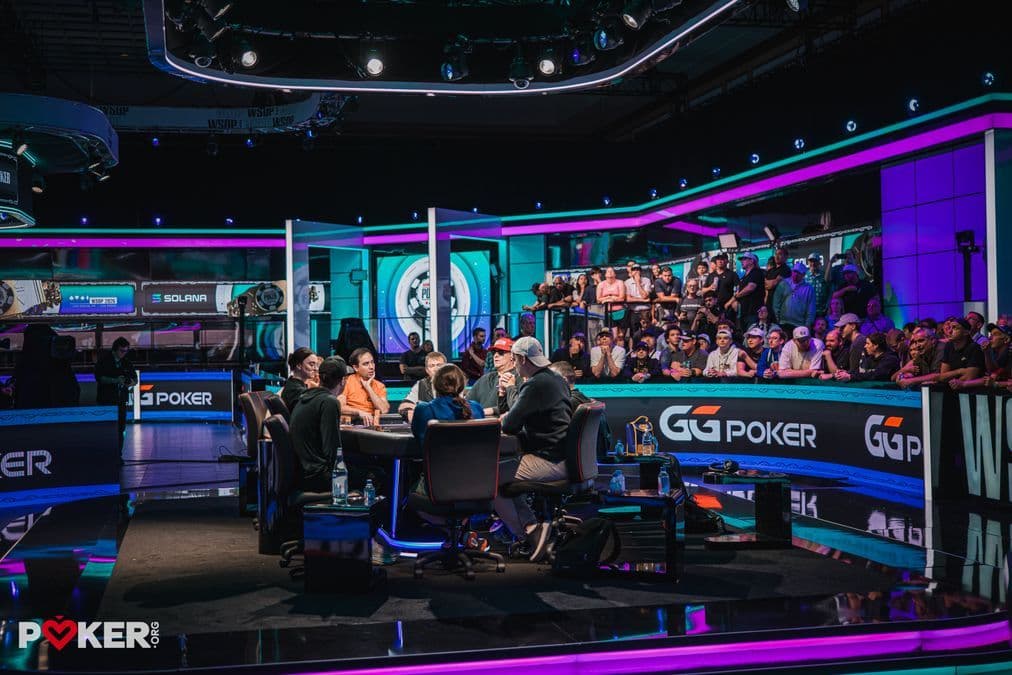
The World Series of Poker (WSOP) has reversed its decision to implement shot clocks for the Main Event Final Table. This change comes after introducing the clocks on Day 7 of the tournament due to an incident where a player took 17 minutes on a decision. While shot clocks are common in many poker tournaments, their mid-event introduction sparked significant debate.
Shot Clock Introduction and Controversy
Introducing the shot clock midway through the WSOP Main Event was unprecedented. The decision was based on WSOP rules, specifically Section 80, which allows hosts to implement such measures at any stage. The clocks were introduced to speed up play as some competitors used excessive time to gain strategic advantages on pay jumps.
Despite the criticism, the shot clocks remained through Days 7 and 8, assisting in bringing the field down to the last nine players. These adjustments were in line with tournament rules allowing staff discretion over game speed.
Final Table Decisions
The WSOP announced via social media that the shot clocks will not be used at the final table. The decision followed discussions with players and staff. In its statement, the WSOP emphasized maintaining a "natural playing environment." However, players and staff can still call the clock if necessary, particularly to prevent stalling tactics that impact game pace negatively.
"Our goal is to create the most natural playing environment possible," stated the WSOP, outlining their commitment to balance time management and decision-making.
Player Reactions
Reactions to the shot clock removal have varied. GGPoker Ambassador Daniel Negreanu conducted a poll on his X account to gauge community sentiment. Patrick Leonard, a recent deep runner, welcomed the decision but noted potential dissatisfaction among those who strategized around the clocks. Adam Hendrix, a previous Main Event finalist, and Barny Boatman also expressed approval. The debate around this decision continues to buzz on social media, as poker enthusiasts weigh in.
Looking Ahead
The WSOP's decision sparks ongoing discussions about the balance between strategic gameplay and maintaining game momentum in poker tournaments. As the final table approaches, the community watches closely to see how these dynamics play out in one of the year's most anticipated poker events.
Stay informed on further developments by checking our news section for updates on reactions and outcomes from the final.
Future Implications
The WSOP's approach might influence future tournament structures, potentially prompting other organizers to reconsider how they handle time management. Ensuring fair play while respecting players' strategic needs will be a continual balancing act for the poker community.
Tags
About the author

Daniel Reyes
Poker Correspondent
Daniel Reyes covers live and online poker — tournament series from the WSOP and EPT down to the daily online grind, room news, promotions, and the industry moves behind them. The reports keep every score, prize pool, and player name exactly as the record shows, and follow the story past the final hand: who qualified, what the payout structure rewarded, and how the field is shifting. For roster changes, software updates, and regulatory knocks on the poker economy, Daniel Reyes is the desk's first read.
More from Daniel Reyes