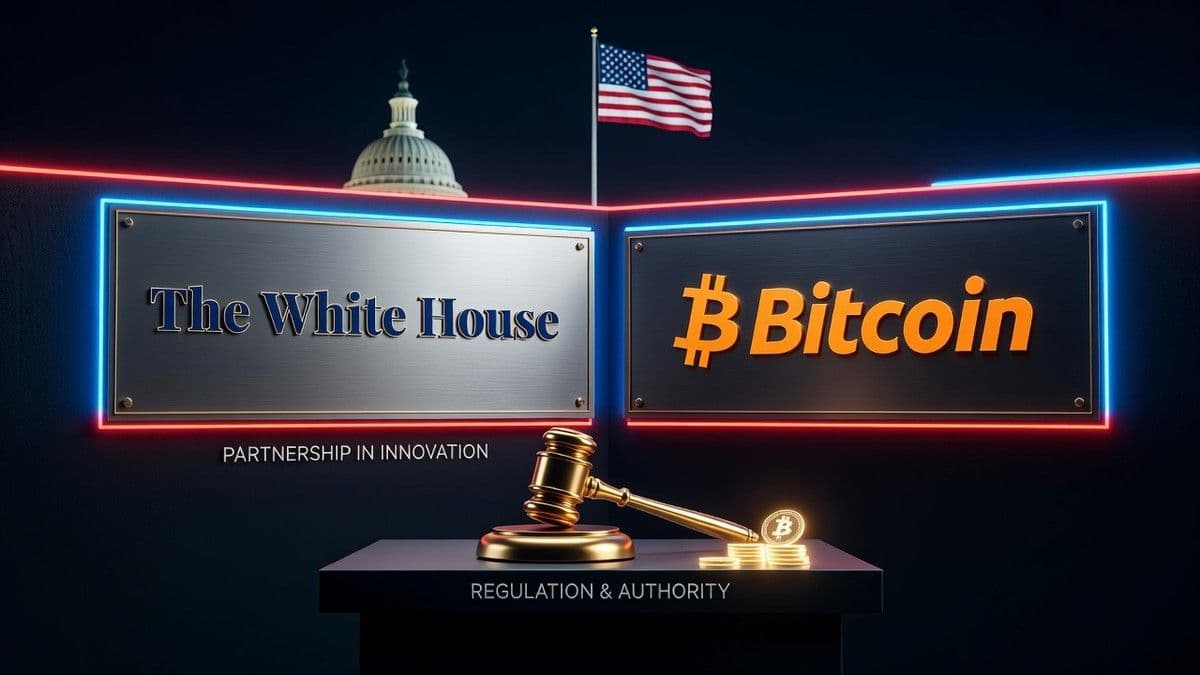
CFTC Highlights New Era of Innovation and Regulatory Clarity in the U.S.
Commissioner Michael Selig underscores key regulatory advancements like the GENIUS Act and the protection of prediction markets, announcing a pro-innovation approach at the CFTC under the Trump administration.
Key Takeaways
- The CFTC emphasized the end of political 'lawfare' and prioritization of innovation in the U.S.
- Laws and measures such as the GENIUS Act and a strategic bitcoin reserve have been implemented.
- The CFTC protects federal prediction markets against state actions that may push them offshore.
- The current approach seeks clear rules to strengthen U.S. positioning in financial technology.
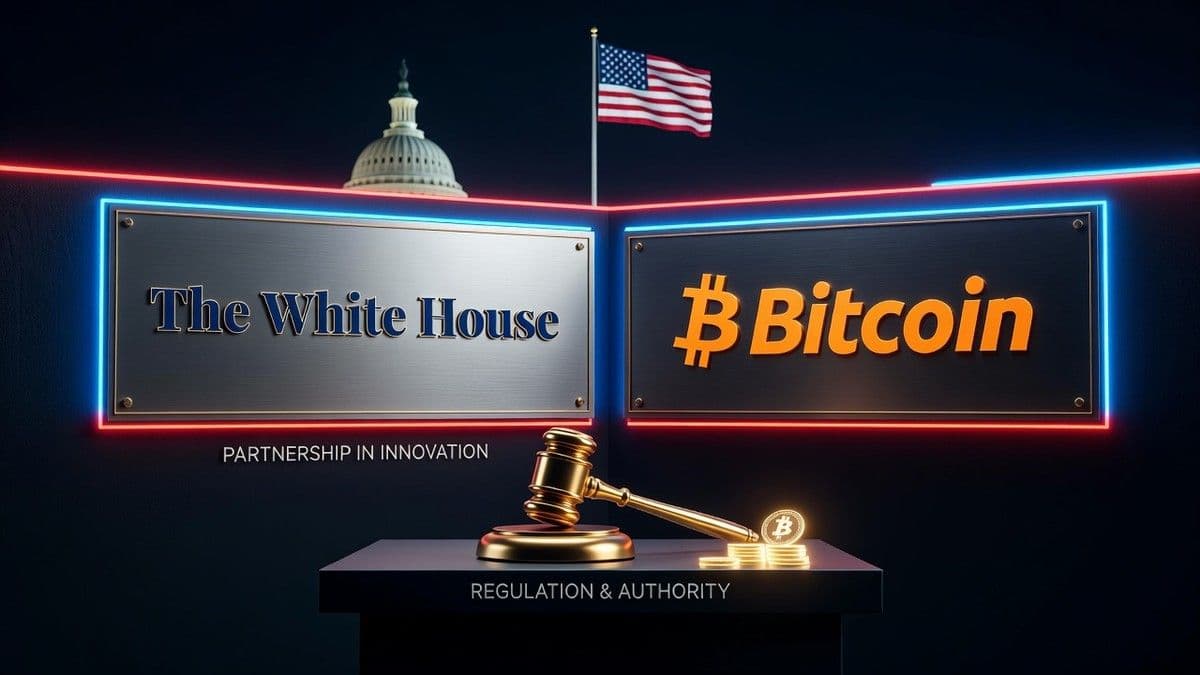
The U.S. Commodity Futures Trading Commission (CFTC) emphasized, at the Innovation Meeting held at the White House on August 19, 2026, the shift towards greater regulatory clarity and state support for the digital financial sector. According to Commissioner Michael Selig, recent federal actions have ended approaches of "lawfare" politics, bank account closures, and regulation through enforcement, thereby promoting innovation in U.S. markets.
End of Uncertainty and Regulatory Advancements Under the Trump Administration
Michael Selig stated that since the beginning of the administration, Donald Trump's presidency sent a clear message: the United States will not lag behind other markets regarding technological development, business operations, and investment. Among the measures adopted are:
- Enactment of the GENIUS Act.
- Creation of a strategic bitcoin reserve.
- Clear delineation between the concepts of crypto assets as securities and as commodities.
- Launch of the first crypto perpetual in the U.S. market.
- Safeguarding the rights of software developers.
Additionally, Selig highlighted the departure from the previous administration represented by Gary Gensler and the victory of pro-crypto policies against opposing stances within the regulator.
Protection of Prediction Markets and Defense Against State Actions
The CFTC has intervened to protect federally regulated prediction markets against initiatives from state prosecutors, exemplified by the aforementioned Letitia James. These state actions, Selig said, could encourage migration towards unregulated or foreign platforms, a scenario that the federal regulator aims to avoid.
"We have protected federally regulated prediction markets from state prosecutors like Letitia James who attempt to nullify federal law and push these markets offshore" — Michael Selig, CFTC
U.S. Dominance in Technology and 'Digital Oil' Markets
The speech emphasized the collaborative effort between the CFTC, the Department of Commerce, and figures like Secretary Lutnick to make the U.S. the global leader in 'computing' — a concept described by Selig as "the most important commodity of our time" and even compared to "digital oil." This initiative aligns with the national strategy to lead the so-called 'AI race,' where preeminence in technological infrastructure is viewed as essential.
Implementation of the CLARITY Act and Regulatory Roadmap
Selig anticipated that the CFTC is ready to implement the CLARITY Act, once approved by Congress and enacted by the President. The Commission will utilize all available mechanisms to strengthen the innovation agenda. The commissioner announced that during the first session of the CFTC Innovation Advisory Committee, they will share the regulatory roadmap for the digital financial sector. The goal is to provide legal certainty to innovators and strengthen long-term market confidence.
Importance of Clear Rules and Inclusion of Private Voices
The presidential team, according to Selig, includes entrepreneurs and investors from the sector who contribute technological and commercial value to policy design. He pointed out the importance of regulatory clarity to foster investor confidence, and job creation, and local talent. For Selig, clear rules drive investment and, consequently, sustain U.S. leadership in innovation.
"Innovation depends on regulatory clarity. Clear rules generate trust. Trust attracts investment, and investment creates jobs, strengthens our markets, and retains talent in the U.S." — Michael Selig, CFTC
Conclusion and Transition to the SEC
The speech concluded with the introduction of Paul Atkins, current chairman of the U.S. Securities and Exchange Commission (SEC), whom Selig described as more favorable to innovation compared to his predecessor, Gary Gensler. This act symbolizes the coordinated will among principal federal financial regulators to support innovation through clear and predictable public policies.
Frequently Asked Questions
What regulatory measures has the CFTC highlighted in innovation?
The CFTC highlights the implementation of the GENIUS Act, the strategic bitcoin reserve, and the delineation between crypto securities and commodities, all under the Trump administration.
How does the CFTC protect prediction markets in the U.S.?
The CFTC defends federally regulated prediction markets from actions by state prosecutors, preventing their migration to unregulated foreign platforms, as illustrated by the case of Letitia James.
What is the importance of the concept 'digital oil' according to the CFTC?
For the CFTC, computing is the key 'commodity' of the digital age, and the U.S. seeks to dominate it as a condition to lead the global race in AI and advanced technology.
What role does the CLARITY Act play in the regulatory strategy?
The forthcoming CLARITY Act will allow the CFTC to establish clearer rules for innovators in digital financial markets and reinforce confidence in the sector.
Tags
About the author

Miguel Sandoval
Regulatory Affairs Correspondent
Miguel Sandoval tracks gambling legislation, licensing, and regulator enforcement — from Spain's DGOJ and the Latin American authorities to the UKGC, the MGA, and the state-by-state map in North America. The reports answer three questions precisely — what changed, where, and who it affects — with jurisdictions, dates, and penalties cited exactly as published. Operators and compliance officers read Miguel Sandoval to know which rulebook moved before their next meeting.
More from Miguel Sandoval