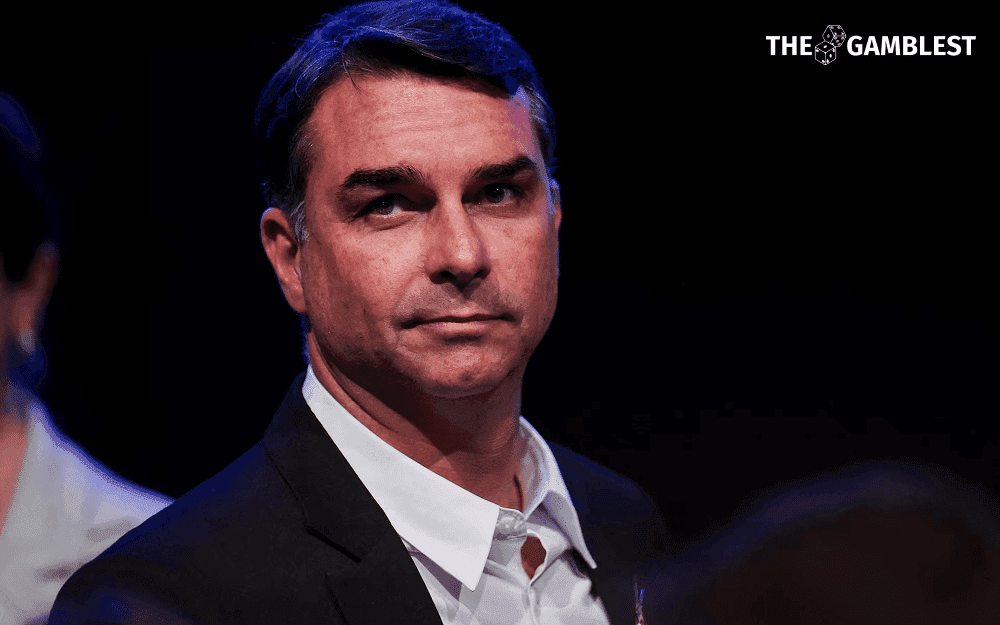
Flávio Bolsonaro challenges result after Lula victory
Senator contests two-hour voting extension by judge Cristiano Zanin after 25 Oct 2026 runoff
Key Takeaways
- Flávio Bolsonaro announced a legal challenge to the 25 October 2026 presidential election result.
- Luiz Inácio Lula da Silva won the runoff with 51.8% versus Jair Bolsonaro’s 48.2%.
- The challenge focuses on judge Cristiano Zanin’s two‑hour extension of voting hours due to transport problems.
- Financial markets reacted negatively, increasing uncertainty for investors and the betting sector.
- An opposition‑leaning Congress may complicate the passage of a stable regulatory framework for gaming operators and investors.
Flávio Bolsonaro challenged the result of the presidential election of 25 October 2026 and announced he will take the case to court. The senator rejected the victory of Luiz Inácio Lula da Silva, who obtained 51.8% against Bolsonaro’s 48.2%. Bolsonaro attributes his appeal to the decision by magistrate Cristiano Zanin to extend voting by two hours after transportation problems affected voters.
Grounds for the challenge
Bolsonaro maintains that the two-hour extension of voting hours ordered by Supreme Court judge Cristiano Zanin had a decisive impact on the electoral process. The measure was taken after reports circulated about difficulties in transport and access to polling stations. The senator said his legal team will file the appropriate appeals to have the result reviewed.
Context of the result and public reaction
The Brazilian electoral authority declared Lula the winner in the runoff. Analysts cited by Reuters say Bolsonaro faces high hurdles to obtain a recount given the margin in the result. Speaking to supporters in São Paulo, Lula acknowledged a divided Brazilian society and said he will be present for everyone.
Market impact and gaming regulation
Financial markets reacted negatively to the result, reflecting investor fears about fiscal trajectory and the economic policies of the incoming Lula administration. Bolsonaro’s legal challenges added political uncertainty at a time Brazil faces economic and regulatory challenges. The political confrontation coincides with pronounced uncertainty about the future of the betting and gaming sector, and Lula will begin his new term facing an ascendant opposition in Congress that could complicate the approval of legislation and the establishment of a stable regulatory framework for operators and investors. For regulatory issues affecting the sector, companies will follow movements in [regulation](/regulation) and economic developments in [news](/news).
“I will appeal with my legal team,” Flávio Bolsonaro said about the challenge, according to his public announcement.
How Flávio Bolsonaro’s legal dispute unfolds will not alone determine gaming policy, but the broader political scenario may affect regulation and the decisions of investors and operators.
Frequently Asked Questions
What official result did Lula obtain in the runoff?
Luiz Inácio Lula da Silva won the second round with 51.8% of the vote against Jair Bolsonaro’s 48.2%, according to the Brazilian electoral authority.
What is the main reason for Flávio Bolsonaro’s challenge?
The challenge alleges that Supreme Court judge Cristiano Zanin’s two‑hour extension of voting hours influenced the outcome; Bolsonaro links the extension to transport problems and says his legal team will seek a review.
How did markets react and what does this mean for gaming regulation?
Markets reacted negatively to the result, reflecting investor concern about fiscal and policy directions under Lula. That political uncertainty comes as the betting sector already faces doubt over future regulation, and a hostile Congress may hinder new regulatory laws.
Tags
About the author

Gonzalo Marín
Industry Deals Correspondent
Gonzalo Marín covers the corporate deal flow of gambling — operator strategy, M&A, regulated-market entries, and product launches. The reports open with the transaction, cite companies, valuations, and jurisdictions exactly as released, and keep the announcement apart from its actual effect. When a Latin American operator raises capital or a European brand lands in the region, Gonzalo Marín reports who signs, for how much, and on what terms.
More from Gonzalo Marín