Kangwon Land inaugurates M650 mining museum after KRW80bn investment
Official opening on 7 October; site preserves the former Sabuk mine at 650 m altitude
Key Takeaways
- Kangwon Land Inc officially opened the M650 mining museum on 7 October after investing about KRW80 000 000 000 (US$59.8 million).
- The museum occupies the former Sabuk mine, which operated from 1962 to 2004, and had a soft opening on 1 October.
- The facility is 2.4 km from the Kangwon Land complex in Jeongseon, Gangwon Province, and sits at 650 metres altitude.
- Kangwon Land Inc must allocate 13% of its casino revenues to the Abandoned Mine Fund under the Special Act on the Assistance to the Development of Abandoned Mine Areas.
- The company has applied for national cultural heritage registration for the site after passing the provincial evaluation.
Kangwon Land Inc officially opened the M650 mining museum on Wednesday 7 October after investing approximately KRW80 000 000 000 (US$59.8 million). The facility, located 2.4 kilometres from the Kangwon Land casino complex in Jeongseon County, had a soft opening on 1 October.
The project and its scale: the M650 mining museum
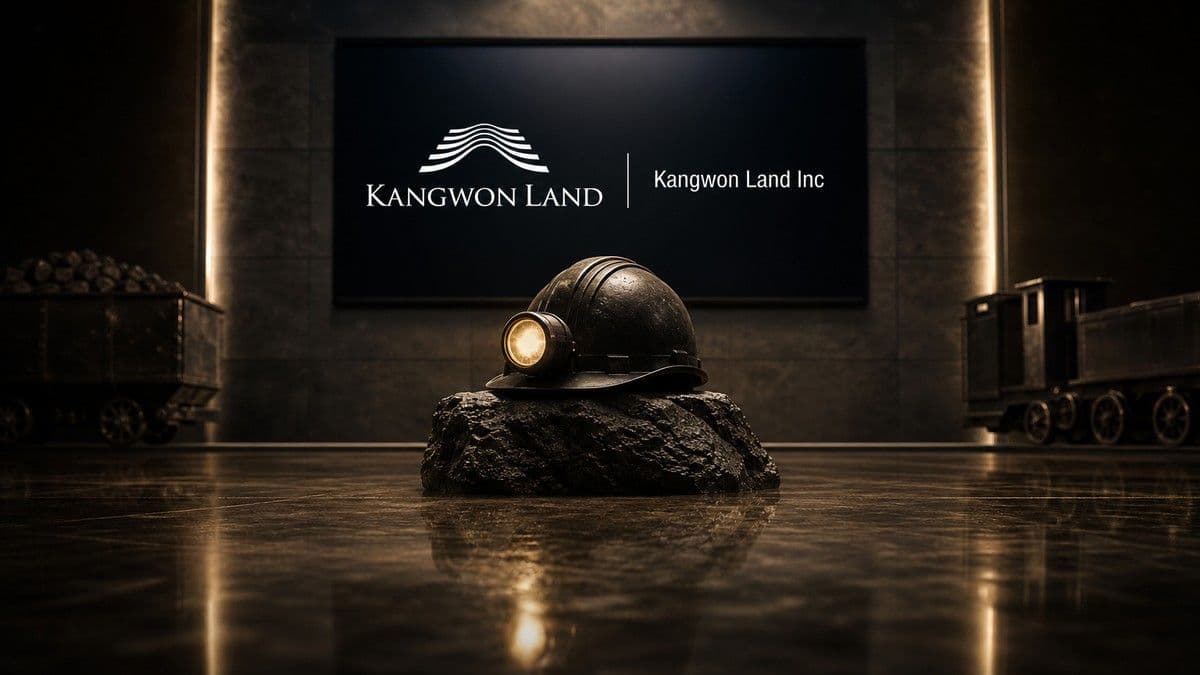
The company developed the M650 on the former Sabuk mine, which operated from 1962 to 2004. Rehabilitation work began in 2021 and cost around KRW80 000 000 000 (US$59.8 million), a Kangwon Land Inc spokesperson told GGRAsia. The name combines “M” for "mine" and "museum" and the number 650 refers to the site elevation: 650 metres above sea level.
The museum preserves original structures from the site. Restored facilities include offices, changing rooms and the mine shaft tower. The public proposal mixes historical exhibits with immersive experiences, including a replica cart ride through the “mine tunnel 650”. A café occupies the former hoist room.
Location and relationship with the Kangwon Land complex (/casino)
The M650 sits 2.4 kilometres (1.5 miles) from the Kangwon Land casino complex in Jeongseon, Gangwon Province. The complex opened in 2000 under the Special Act on the Assistance to the Development of Abandoned Mine Areas, promulgated in 1995 by the government of the Republic of Korea.
Kangwon Land Inc operates the country's only casino open to local players, and the company has historical ties to the mining region. Company employees described the area’s abandoned mines as part of the firm’s “identity” in conversations with GGRAsia.
"The abandoned mines are part of the company's 'identity'," Kangwon Land Inc employees told GGRAsia.
Legal obligations and funding for regeneration
The legal framework that underpinned the complex's 2000 opening requires specific contributions: Kangwon Land Inc must allocate 13 percent of its casino revenues to the Abandoned Mine Fund. That obligation remains in force and is part of the financial relationship between the company and public regeneration policy for mine areas.
The company has submitted documentation to register the former mining site as a national cultural heritage asset; the site has already passed the required provincial evaluation.
Experience and museum offering
The M650 exhibits document working conditions and daily life of miners at Sabuk. Programming includes:
panels and original objects that tell the labour history between 1962 and 2004;
cart rides through the “mine tunnel 650”;
restoration of representative facilities (offices, showers, shaft tower);
a café in the former hoist room that repurposes the industrial architecture.
The design preserves the mine’s physical fabric and combines historical interpretation with attractions aimed at regional visitors and tourists.
Governance and corporate strategy under the new CEO
Kangwon Land Inc recently formed a committee to review strategic initiatives and organisational matters following the arrival of its new chief executive, Kim Do-gyun. The committee’s creation is part of a broader review of priorities that, the company says, includes cultural and regional development projects.
The M650 is presented as a tangible element of that strategy: an investment intended both to preserve industrial heritage and to strengthen the company’s ties with the Jeongseon community.
Regional context and industrial memory
The Sabuk mine operated from 1962 to 2004; rehabilitation started in 2021. Kangwon Land Inc’s initiative responds both to legal obligations under the Special Act on the Assistance to the Development of Abandoned Mine Areas and to a corporate logic of territorial engagement. The company aims to convert the former infrastructure into a cultural and tourist asset that complements its gaming and accommodation offer in Gangwon Province.
What the M650 mining museum contributes to the tourism and cultural market
The M650 broadens the experiential offer around the gaming complex by adding a cultural hub of industrial memory. For operators and consultants in the sector, the project is an example of how a gaming firm can combine legal obligations, social responsibility and cultural product development in a single asset. The museum may also affect public perception of Kangwon Land Inc’s role in local regeneration.
Frequently Asked Questions
How much did the M650 museum cost and when was it officially opened?
The investment was approximately KRW80 000 000 000, equivalent to US$59.8 million, and the official opening took place on 7 October after a soft opening on 1 October.
Where is the museum located and what is its relationship with the casino complex?
The M650 is 2.4 kilometres from the Kangwon Land complex in Jeongseon County, Gangwon Province, and forms part of the local strategy linked to the complex, which opened in 2000 under the Special Act of 1995.
Which original mine elements were preserved in the project?
Original offices, showers and the shaft tower were preserved; the project also includes cart rides through the mine tunnel and a café in the former hoist room.
What legal obligations link Kangwon Land to abandoned mine regeneration?
The Special Act on the Assistance to the Development of Abandoned Mine Areas requires Kangwon Land Inc to contribute 13% of its casino revenues to the Abandoned Mine Fund, an obligation that remains in effect.
Tags
About the author

Gonzalo Marín
Industry Deals Correspondent
Gonzalo Marín covers the corporate deal flow of gambling — operator strategy, M&A, regulated-market entries, and product launches. The reports open with the transaction, cite companies, valuations, and jurisdictions exactly as released, and keep the announcement apart from its actual effect. When a Latin American operator raises capital or a European brand lands in the region, Gonzalo Marín reports who signs, for how much, and on what terms.
More from Gonzalo Marín