Pepe Vall defends gaming halls against smear campaigns
Vall responded on 15 Oct 2026, stressing fiscal contribution and prevention measures.
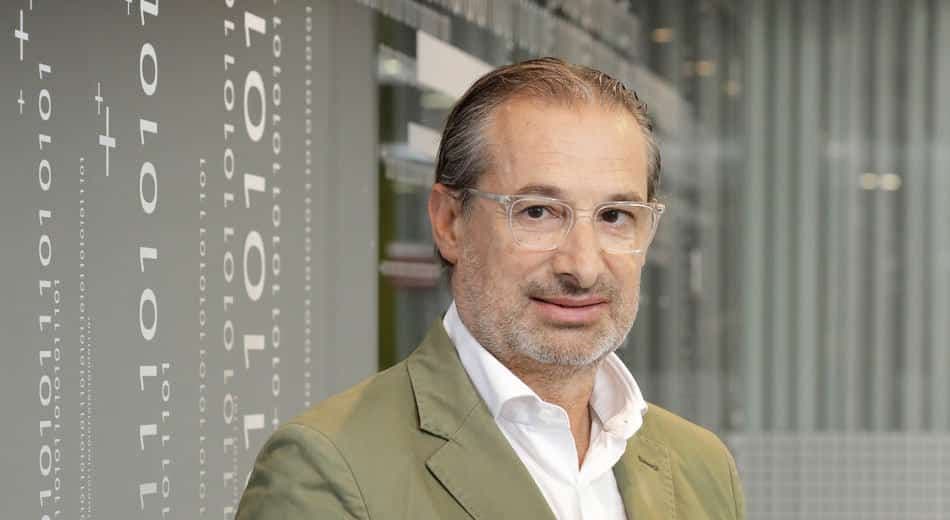
Key Takeaways
- Pepe Vall, president of ANESAR, answered smear campaigns on COPE-Aragón on 15 October 2026.
- Vall stated that “gaming halls are not part of the problem, but part of the solution,” citing fiscal contribution and prevention measures.
- ANESAR demands recognition of the sector’s tax contribution, preventive policies and investments in safety.
- Vall placed the intensity of criticism on campaigns promoted by political parties of the extreme left and affiliated citizens’ groups.
Pepe Vall, president of the National Association of Recreational Hall Operators (ANESAR), spoke on 15 October 2026 on COPE-Aragón to respond to smear campaigns targeting gaming halls. Vall defended that gaming halls “are not part of the problem, but quite the opposite, part of the solution” and listed the fiscal contribution, prevention measures and security investments that, in his view, characterise the subsector.
Public defence of gaming halls on COPE-Aragón
Vall’s intervention took place in a regional news programme, where he addressed directly the criticisms levelled by “political parties of the extreme left” and “affiliated citizens’ groups”, according to the account published by Sector del Juego. The ANESAR president focused his reply on three pillars: the economic contribution of halls to public coffers, the preventive policies applied by operators and the transformation of premises into regulated, safe leisure spaces.
“Gaming halls are not part of the problem, but quite the opposite, part of the solution,” Pepe Vall said in the COPE-Aragón interview.
Vall expressed that idea bluntly and placed it at the core of the defence ANESAR has been deploying in political forums and before the media. The interview forms part of a broader institutional communications effort that, according to Vall and the association, seeks to correct what they describe as partial views and smear campaigns.
Fiscal contribution and transparency, according to ANESAR
Under Pepe Vall’s presidency, ANESAR has repeatedly emphasised the tax contribution of the halls subsector. In his intervention Vall presented that argument as one of the pillars for requesting treatment equivalent to that afforded other public entertainment venues. The spokesperson argued that halls should be understood and regulated as social spaces open to public leisure.
The association demands that the social image of the hall reflect transparency and control measures to which, Vall says, the industry has already submitted itself. The message aimed to counter the discredit campaign with data and practices that, according to ANESAR, point to regulatory obligations and corporate responsibility.
Prevention, security and investments in premises
Vall stated that operators in the subsector have made investments to turn premises into safe environments suitable for calm leisure. In the interview he reviewed the prevention policies that, he said, are applied in halls to limit risks of problem gambling and to protect vulnerable groups.
ANESAR presents these measures as part of its public position, and Vall demands that they be recognised in the regulatory and media debate. The argument is articulated around the idea that regulation ignoring internal prevention practices would offer an incomplete picture of the sector.
Dialectical battle against extreme-left campaigns
The ANESAR president located the intensity of the criticism in a political and social phenomenon: campaigns driven by political parties of the extreme left and citizens’ groups which, Vall says, have promoted an unprecedented narrative of discredit. Vall attributes to those campaigns the creation of public confusion and the simplification of complex problems related to gambling.
In his intervention Vall not only refuted arguments but sought to set out a sectoral diagnosis: its contribution to the economy, its internal controls and its commitment to prevention. That communication tactic is part of ANESAR’s strategy to change the tone of public debate.
Image of the hall as a social space and ANESAR’s role
ANESAR, the organisation chaired by Pepe Vall, has promoted the representation of the hall as a space dedicated to public leisure that deserves the same treatment as other amusement establishments. In the interview Vall asked that this image be reflected in regulation and public perception. The association’s approach combines fiscal claims, emphasis on prevention and efforts to publicise investments and controls.
Vall frequently appears in media and political forums, according to the account published by Sector del Juego, and his direct, no-nonsense style has become the association’s public reference. That visibility responds to a communications strategy designed to counter campaigns and to position the subsector’s voice in debates affecting its regulation. ANESAR will continue presenting its version in public and media forums, according to its communications trajectory.
What this means for operators and regulators
ANESAR’s communications offensive and Vall’s public profile ultimately seek to influence regulatory decisions and public opinion. Operators in the subsector are represented by a discourse that mixes defence of fiscal contributions, presentation of internal controls and an appeal for regulatory treatment equivalent to other leisure spaces. The debate engages both industry stakeholders and policymakers; ANESAR has framed those points as criteria that should inform regulatory discussion and oversight.
For regulators and policy‑makers, Vall’s public intervention raises the need to assess the concrete measures companies in the subsector apply in prevention and safety before making public‑policy decisions that might be based on biased perceptions. This point links to ongoing regulatory conversations about how to balance public protection and sector recognition in practice; see more on [regulation](/regulation).
Media reaction and follow‑up
The Sector del Juego piece highlighted here reproduces the COPE-Aragón interview and records Vall’s arguments as an example of the sector’s effort to come out of silence and contribute to the debate with data and public positions. ANESAR’s trajectory indicates it will keep engaging in [news](/news) and public forums to maintain that presence and rebut narratives it considers partial.
For observers of the sector, the 15 October 2026 intervention consolidates Pepe Vall as a regular interlocutor defending the subsector and reaffirms ANESAR’s strategy of taking the dialectical battle to the media and political arena.
Frequently Asked Questions
What did Pepe Vall say about gaming halls in the COPE-Aragón interview?
Pepe Vall said that “gaming halls are not part of the problem, but quite the opposite, part of the solution,” and he highlighted the subsector’s fiscal contribution, prevention measures and security investments as reasons to reassess its public image.
Which organisation does Pepe Vall chair and what did he demand?
Pepe Vall chairs the National Association of Recreational Hall Operators (ANESAR). He demanded that halls receive regulatory and social treatment equivalent to other leisure venues and that their transparency and internal controls be recognised.
To what does Vall attribute the smear campaigns against halls?
Vall attributes the smear campaigns to initiatives promoted by political parties of the extreme left and by affiliated citizens’ groups, which he says have spread a partial narrative about the subsector.
Tags
About the author

Gonzalo Marín
Industry Deals Correspondent
Gonzalo Marín covers the corporate deal flow of gambling — operator strategy, M&A, regulated-market entries, and product launches. The reports open with the transaction, cite companies, valuations, and jurisdictions exactly as released, and keep the announcement apart from its actual effect. When a Latin American operator raises capital or a European brand lands in the region, Gonzalo Marín reports who signs, for how much, and on what terms.
More from Gonzalo Marín