Regulatory Keys for Expansion: What to Repurpose and What to Adapt in New iGaming Markets
The opening of jurisdictions such as Alberta, Finland, and Brazil requires operators to evaluate which components they can transplant and which they must reconstruct for local regulators.
Key Takeaways
- Most internal processes can be reused; payments and regulatory compliance often require local adaptation.
- Alberta, Finland, and Brazil represent expansion opportunities under specific regulations and changes in payment methods.
- The licensing process and payment processor approval are often the factors that determine the speed to market.
- Regulators in Alberta and Brazil promote reusing operational structures through regulations designed to facilitate the entry of international operators.
In 2026, international expansion for iGaming operators presents both opportunities and regulatory challenges. Alberta opened its regulated market on July 13, with 22 of the 50 registered operators active since the start. Finland began accepting license applications on March 1, anticipating a market opening on July 1, 2027. Brazil already has over 80 licensed companies operating more than 180 brands. However, the costs of staying stagnant have also increased: the UK remote gaming tax rose from 21% to 40% in April.
Repurposing vs. Adapting: The Challenge of Regulated Expansion
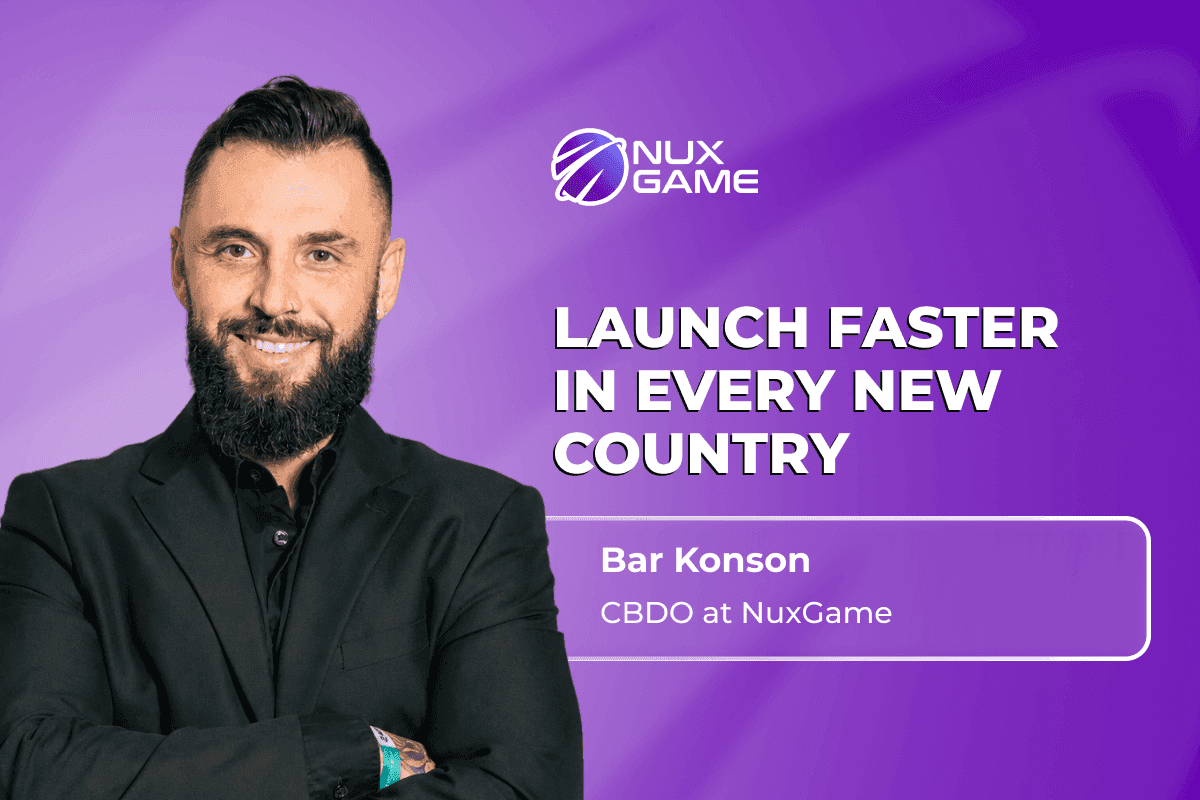
According to Bar Konson, Business Development Director at NuxGame, many operators treat each new market as a project from scratch. "The first launch is personal; it was built from scratch and it is assumed that nothing can be reused. The common mistake is to rebuild standard processes—accounts, wallets, bonus logic, reporting, support, affiliate tracking—that do not depend on the country," analyzed Konson. If the cost of the third market is not lower than that of the second and first, the issue lies not with the market but with the internal structure.
What Aspects Each Regulator Requires Adapting
The unavoidable requirements for each new jurisdiction tend to focus on three aspects:
- Payment Methods: Each country imposes priority methods or excludes others. In Brazil, Pix dominates deposits and credit cards are banned for betting. In Mexico, OXXO and SPEI lead the options, while Kenya relies on M-Pesa. A Paysafe study in 13 markets found that 44% of bettors abandoned a bet when their preferred method was unavailable.
- Player Controls: The verifications required by each regulator often differ in detail but must be met to operate legally.
- Content and Communication Regulations: There are rules regarding which games or offers can be presented and how they can be promoted.
Some jurisdictions also require local hosting of systems. Brazil, for example, demands that platforms be hosted within the country. These are specifics that must be considered in planning, not general norms.
"A brand can be fully licensed and live, but still fail if it does not manage deposits correctly," explained Konson.
Operational Benefits of Standardizing Back Office and Platforms
The greatest potential for repurposing lies in centralized management. A common back office allows teams to manage all markets from a unified platform, avoiding the multiplicity of panels and processes. This facilitates viewing cross-sectional data: player retention by jurisdiction, transferable promotions, and comparative financial impact by country. The efficiency gained in operations and analysis is key to scaling without replicating efforts.
Licenses, Payments, and the Time to Be Operational
The pace of opening in a new market is set by the slowest process: licenses and approvals for payment providers tend to be the critical factors. For example, in Finland, the window for applying for licenses opened 16 months before the official launch, and processing takes around six months. In Alberta, those operators who moved quickly to submit applications were the ones who managed to go live in the first minute of opening. Konson recommends starting licensing and payment processes from the very start of the project, as some markets require providers to be approved before allowing the first deposit.
Regulators That Facilitate International Expansion
Alberta designed its regulation inspired by Ontario, making it easier for previously licensed operators to enter without starting from scratch. Brazil allows a single license to cover up to three brands, requiring a second authorization for a fourth brand. This type of approach seeks to reduce the duplication of processes and costs, leveraging synergies for those planning their expansion. It is essential to anticipate the brand and license structure to optimize the payment of regulatory fees.
Key Questions Before Opening a Second Market
Konson suggests four questions to assess readiness:
- How much of what was built for the first market is being truly reused?
- Does each new opening demand fewer resources than the previous one?
- Can a single team manage all markets from a single screen?
- What approval process will take the most time, and has the process already started?
If the answer is positive, expansion is scalable; if not, it implies replicating efforts under another currency.
Expansion in 2026: A Window for Ambitious Operators
The global trend, with Alberta open, Finland in process, and Brazil consolidating, shows a favorable environment for international expansion. The first market teaches the business; the second verifies the capacity to transfer structures and processes. Achieving that level allows for faster and more efficient advances in subsequent jurisdictions, which is the main goal of a solid growth strategy.
Bar Konson, in his role as Business Development Director at NuxGame, leads the company’s global growth strategy, enhancing partnerships and business developments focused on scalable, high-performance platforms.
Frequently Asked Questions
What components must be adapted in the regulatory expansion of iGaming?
Payment methods, player controls required by the local regulator, and content and communication rules require specific adaptation in each jurisdiction. Other internal processes can largely remain unchanged.
Why is centralized back office key in regulated markets?
A common back office allows for operating multiple jurisdictions from a single platform, optimizing management and facilitating comparative analysis of key data across markets.
What determines the pace of launch in a new iGaming market?
The decisive factor is often the processing of licenses and the approval of payment providers, processes that can extend to six months or more depending on the market, as is the case in Finland.
Are there regulators that facilitate the reuse of processes for expansion?
Alberta and Brazil have enacted regulations inspired by other jurisdictions or that allow multiple brands to operate under a single license, minimizing redundancy in processing for operators.
Tags
About the author

Miguel Sandoval
Regulatory Affairs Correspondent
Miguel Sandoval tracks gambling legislation, licensing, and regulator enforcement — from Spain's DGOJ and the Latin American authorities to the UKGC, the MGA, and the state-by-state map in North America. The reports answer three questions precisely — what changed, where, and who it affects — with jurisdictions, dates, and penalties cited exactly as published. Operators and compliance officers read Miguel Sandoval to know which rulebook moved before their next meeting.
More from Miguel Sandoval