Five Digital Wallets Transforming the Market by 2026
These wallets will define payment trends by the end of the year, from GOV.UK to Klarna.
Key Takeaways
- GOV.UK plans to launch a digital wallet by 2027.
- Klarna Balance offers instant refunds and cashback.
- Samsung Pay is introducing support for stablecoins for payments.
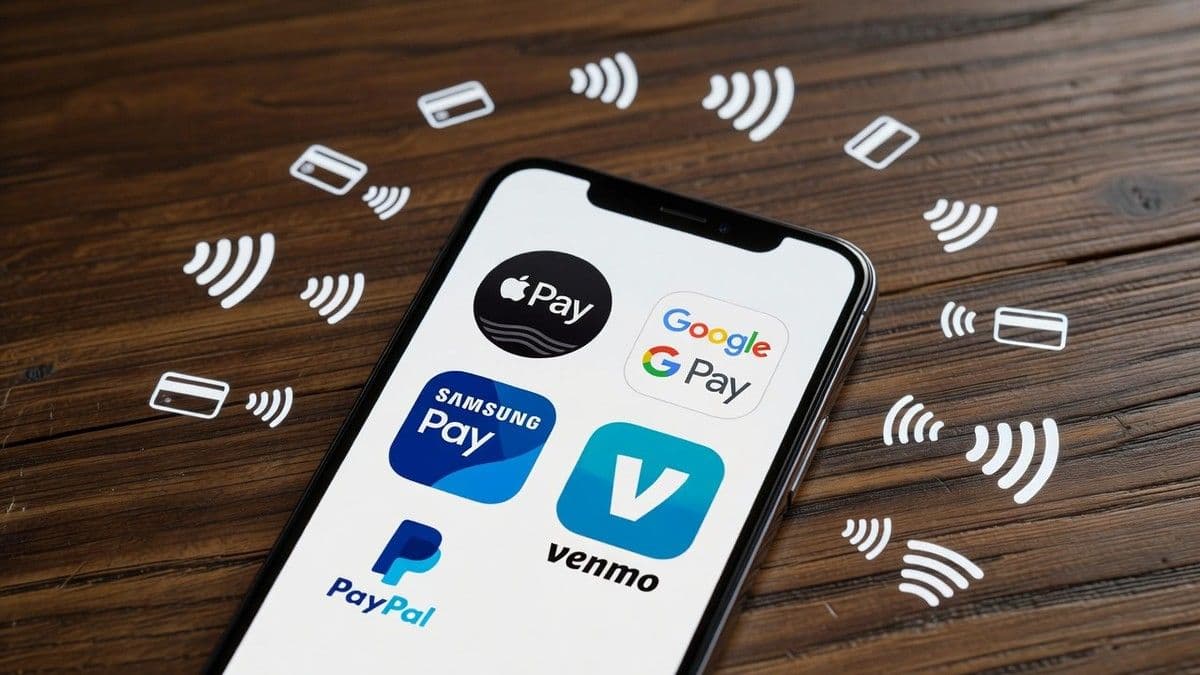
Digital wallets have become one of the most popular payment methods over the past decade. They allow for easy integration of credit and debit card data for contactless payments. With the rapid development of the industry, five digital wallets stand out as having a significant impact on businesses and consumers by 2026.
Government Digital Wallets: GOV.UK and eID
While the new Prime Minister of the United Kingdom, Andy Burnham, has scrapped his predecessor's plans for mandatory digital IDs, countries continue to develop means of consolidating official documents into digital wallets. GOV.UK plans to launch a wallet where citizens can store passports, driver's licenses, and other documents, providing convenience while traveling. This service is expected to be available to all UK citizens by the end of 2026. The European Union, on the other hand, is promoting the implementation of eID, allowing EU citizens to sign documents and interact with government and private services.
Klarna Balance: A New Approach to Financial Operations
Launched in October 2025, Klarna Balance offers users a centralized way to deposit funds, receive instant cash returns, and earn cashback. Users can quickly transfer money to their balance and use these funds for both online and physical purchases. Available in the USA, UK, and several European countries, Klarna Balance demonstrates the growing popularity of digital wallets in the fintech sector.
Samsung Wallet: An Alternative to Apple Pay
Samsung Pay actively competes with Apple Pay by utilizing Near Field Communication (NFC) technology for contactless payments. In 2026, Samsung introduced the Samsung Galaxy debit card with 3% cashback and also supports stablecoins for everyday payments. This enables millions of users to interact with cryptocurrency for the first time.
WeChat Pay: Global Strategy for New Market Expansion
WeChat Pay — one of the most popular payment methods in China — is aggressively expanding into international markets. The payment system is becoming more accessible in Asian countries and supports cross-border transfers, connecting with local networks. WeChat integrates multiple functions, from messaging to e-commerce, into a single app while offering support in 16 new languages.
Wero: An Alternative to Mastercard and Visa
Wero is a promising European cashless payment system supported by players such as Revolut and Adyen. It allows transactions via QR codes and phone numbers, expediting the payment process. Payment is available at both physical and online checkouts, as well as for subscriptions. Wero is expanding thanks to backing from major financial institutions across Europe.
Each of these wallets represents an opportunity for all market participants: from governments and large corporations to everyday users. What the future role of these technologies will be, only time will tell.
Frequently Asked Questions
What is the GOV.UK digital wallet?
GOV.UK is developing a digital wallet for storing official documents for citizens, such as passports and driver's licenses, with plans to roll it out by the end of 2026.
How does Klarna Balance facilitate financial operations?
Klarna Balance provides users with the ability to quickly deposit funds and receive instant refunds, as well as earn cashback when making purchases at supported stores.
What new features does Samsung Pay offer?
Samsung Pay now supports stablecoins for mobile payments and offers a debit card with a 3% cashback feature, allowing users to engage with cryptocurrency for the first time.
Tags
About the author

Максим Тарасов
Payments Correspondent
Максим Тарасов covers payments and fintech in the gambling industry — processor and PSP deals, payment-method launches, crypto rails, and the compliance shifts that decide what players actually pay with at the cashier. The stories open with the deal or launch, name the companies and methods precisely, and translate the jargon into practical gain. From open-banking pilots to stablecoin settlement and chargeback rules, Максим Тарасов follows the industry's money.
More from Максим Тарасов