Australian Gambling Ad Reforms Disappoint Reform Advocates as Government Defends Measures
Australia introduces new restrictions on gambling advertising, falling short of a total ban recommended three years ago, prompting criticism from reform advocates and industry concerns.
Key Takeaways
- Australian lawmakers approved new gambling advertising limits but stopped short of an outright ban.
- The new rules restrict TV gambling ads to three per hour between 5am and 8:30pm and phase out sports sponsorships.
- Reform groups and industry representatives sharply criticised the reforms as either insufficient or risky for channeling play to unregulated operators.
- BetStop, Australia's national exclusion register, reports 41,290 active self-exclusions as of July.
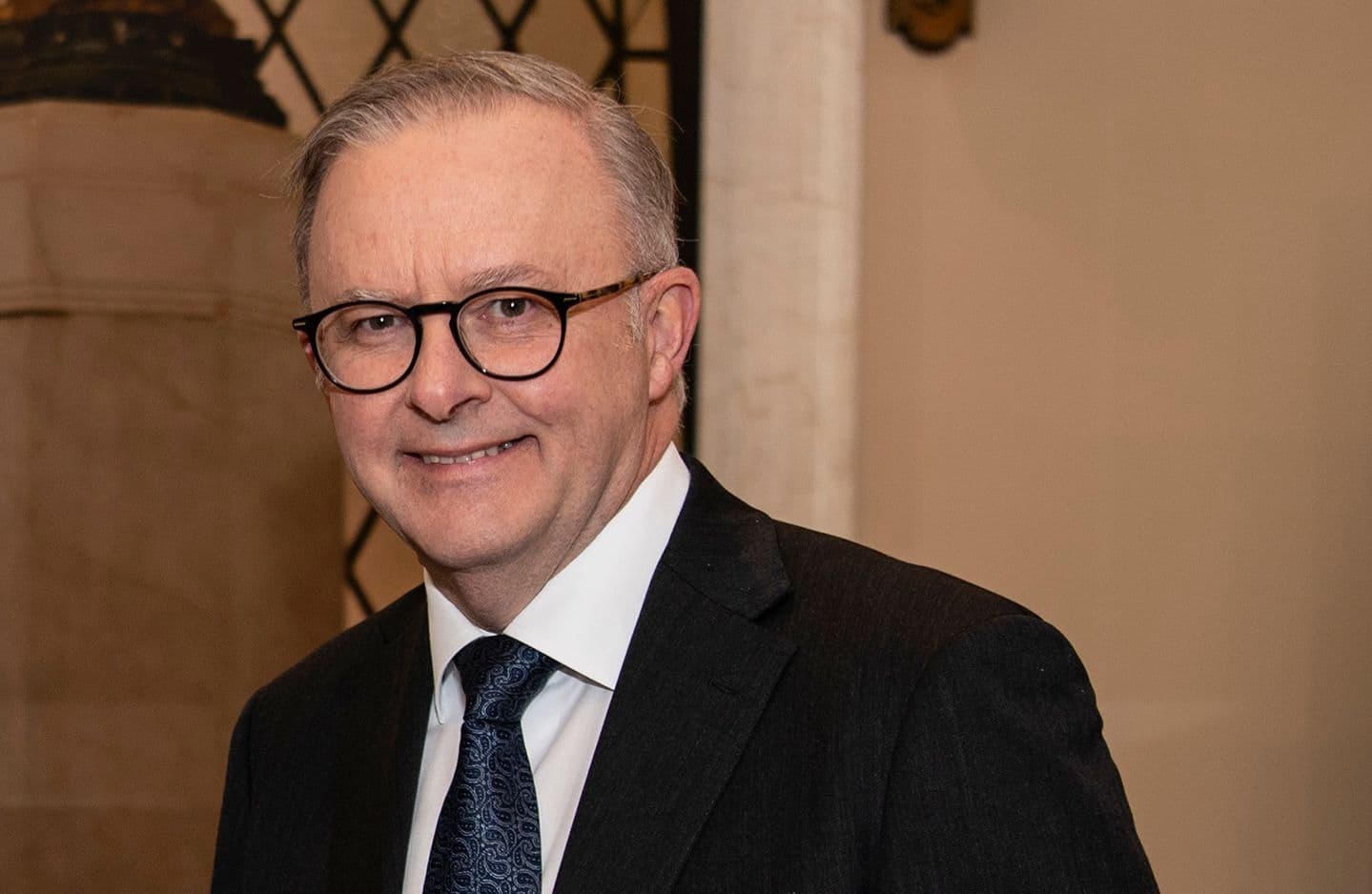
Australia has approved new gambling advertising restrictions, opting for targeted limits rather than a blanket ban, despite pressure from reform advocates. The reforms include capping television gambling advertisements and phasing out sports sponsorships, with Prime Minister Anthony Albanese stating the government has achieved the right balance for harm reduction.
Ad Reforms in Australia: Details and Scope
The Australian Federal Parliament passed new rules on gambling advertising this week, marking a policy response three years after the landmark Murphy report recommended banning all such ads across the country. Instead of an outright ban, the measures:
- Limit gambling advertisements on TV to no more than three per hour between 5am and 8:30pm
- Phase out all gambling-related sports sponsorship deals
- Introduce a new opt-out option for online gambling ads
These changes are presented as significant by the Albanese administration, applying nationally and intended to reduce the saturation of gambling messages during key viewing hours.
Reaction from Reform Groups: "Cosmetic" Changes?
Reform campaigners have expressed disappointment with the scope of the reforms. Tim Costello, chief advocate of the Alliance for Gambling Reform, questioned the substance of the measures, stating:
"The reforms... are cosmetic over substance and reflect the major party's intent to prioritise power, money and vested interests over the welfare of Australians who lose more to gambling than any other country on the planet on a per capita basis." — Tim Costello, Alliance for Gambling Reform
Outgoing CEO Martin Thomas echoed this sentiment, describing the reforms as a missed opportunity for real change. Thomas confirmed the group would continue its campaign for stronger protections and the elimination of pervasive gambling advertising. Sunita Bose, previously managing director at DIGI and with a background in both UNICEF Australia and Oxfam Australia, will take over as CEO of the Alliance for Gambling Reform.
Responsible Wagering Australia: Pushback from Industry
Responsible Wagering Australia, which represents licensed operators, warned that stricter advertising limits may prove counterproductive. CEO Kai Cantwell argued the new measures would curtail the ability of legal businesses to promote their products safely and would risk pushing consumers to offshore operators not subject to national regulations, stating:
“If you push people away from the licensed, regulated market... you don’t stop them punting. You push them offshore, into products with no consumer protections, no support, no BetStop and no contribution to Australian sport and racing.” — Kai Cantwell, Responsible Wagering Australia
Cantwell cited the risks of undermining sports integrity and eroding established consumer protections.
BetStop and Consumer Self-Exclusion
Australia’s national self-exclusion platform, BetStop, was referenced as a support mechanism for players. As of 31 July, BetStop had 41,290 active self-exclusions, with 38% of registrants opting for lifetime exclusion since the platform launched three years ago. The existence of BetStop highlights the wider framework of consumer protection available within the regulated sector.
Prime Minister’s Defence: “Getting the Balance Right”
Prime Minister Anthony Albanese defended the government’s approach in an interview with ABC, underlining that the new regulations were the result of broad consultation across the gambling and media sectors—excluding the betting industry itself. Albanese stated, “We have worked constructively with the entire sector,” and expressed confidence that the reforms represent “serious protections” while maintaining a workable environment for stakeholders.
Outlook for Further Regulation
While the reforms represent the most substantial update to gambling advertising in Australia in years, divisions remain between reform advocates, the government, and industry about whether the new measures go far enough. The introduction of opt-out options and phased restrictions may set the stage for future debate, particularly as campaigners like the Alliance for Gambling Reform continue to lobby for comprehensive change. For operators and suppliers, the new rules will require adjustments to advertising schedules, sponsorship arrangements, and digital marketing practices to remain compliant within the reformed framework, which will be monitored by federal authorities going forward.
Frequently Asked Questions
What are the main features of the new Australian gambling advertising reforms?
The new rules restrict TV gambling ads to a maximum of three per hour between 5am and 8:30pm, introduce a national opt-out for online ads, and require a phase-out of all gambling-related sports sponsorships.
Who criticised the Australian gambling advertising reforms and why?
The Alliance for Gambling Reform, including Tim Costello and outgoing CEO Martin Thomas, criticised the reforms as insufficient, arguing they prioritise industry interests over effective consumer protection.
What concerns were raised by Responsible Wagering Australia?
Responsible Wagering Australia, led by CEO Kai Cantwell, warned that restricting legal advertising could drive consumers to use offshore operators lacking consumer safeguards, sports contributions, and tools like BetStop.
What is BetStop and how many people have used it?
BetStop is Australia's national gambling self-exclusion register, which as of 31 July has 41,290 active exclusions, with 38% of registrants choosing lifetime bans since launch.
How did Prime Minister Anthony Albanese justify the new advertising measures?
Prime Minister Anthony Albanese stated the government had worked constructively with stakeholders to design regulations providing 'serious protections,' expressing confidence that the changes achieve a balanced approach.
Tags
About the author

Eleanor Whitfield
Regulatory Affairs Correspondent
Eleanor Whitfield tracks gambling legislation, licensing decisions, and regulator enforcement across key markets — from the UKGC, MGA, and Germany's GGL to Spain's DGOJ and the state-by-state map in the Americas. The reporting answers three questions precisely: what changed, where, and who it affects, with jurisdictions, effective dates, and penalty figures named exactly as published. Compliance officers and operators read Eleanor Whitfield to know which rulebook moved before their next board meeting.
More from Eleanor Whitfield