BOS Calls for Comprehensive Reform of Gambling Regulation in Sweden
BOS CEO Gustaf Hoffstedt criticizes the state’s role in the sector, the lack of measures to improve the licensed operator channel, and advocates for fairer regulation.
Key Takeaways
- BOS calls for a comprehensive review of gambling regulation in Sweden and the sale of Svenska Spel.
- The Swedish government has not implemented measures to increase channeling towards licensed operators.
- The local market shows stagnation in revenues, while Swedish operators and suppliers seek to grow internationally.
- Since the re-regulation in 2019, Sweden has made progress in player protection and responsible competition.
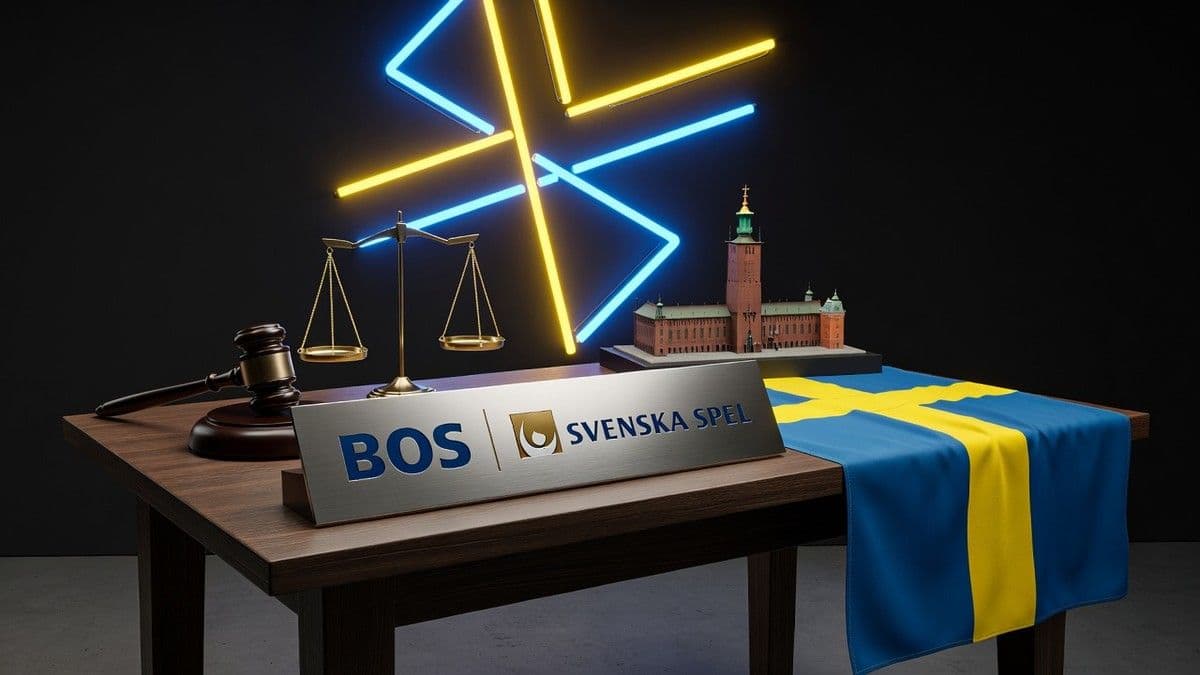
The Swedish Online Gambling Operators Association (BOS), represented by its CEO Gustaf Hoffstedt, has called for a total review of gambling regulation in Sweden. Hoffstedt argues that the government's active participation through Svenska Spel, a state-owned operator, and the policy defined since the 2019 re-regulation have impeded competitive development and effective sector protection.
Criticism of State Intervention in Swedish Gambling Regulation
Hoffstedt pointed out that the simultaneous presence of the state as legislator, supervisor, and commercial competitor in the sector creates an inherent conflict. In Hoffstedt's words:
"It is problematic that the government, in addition to proposing new laws and supervising the gambling market, also manages its own commercial betting company." He believes that this situation leads to favoritism towards Svenska Spel and hinders fair competition. He proposes the sale of state commercial assets and regulation that allows for real competition, even in the lottery segment.
Challenges of Regulation and Decline in Channeling
The confrontation between BOS and Svenska Spel is not new, especially in light of the gradual decline in channeling rates (players choosing licensed operators). Hoffstedt blames the government for limiting the competitiveness of regulated operators while trying to tighten control over unlicensed ones, labeling this strategy as "doomed to failure." According to Hoffstedt, during the current term, the government has not taken any action to improve the appeal of the national licensing market:
"The government believes it can further restrict the licensing market while simultaneously combating unlicensed gambling companies. This will not work." BOS also points out that the criminalization of Swedish players converting to unauthorized operators remains pending implementation, highlighting an incomplete policy.
Inadequate Focus on Improving the Regulated Swedish Market
Hoffstedt argues that high channeling will only be achieved if the majority of political and regulatory effort is dedicated to strengthening the appeal of legal offers. He warns that an exclusive focus on prosecuting unregulated gambling ignores the root of the problem and limits the overall effectiveness of the regulatory framework. He suggests that two-thirds of efforts should focus on improving the licensed market and the rest on combating illegality. For now, he sees that authorities have inverted this proportion, resulting in unsatisfactory outcomes for all operators, whether private or state-owned.
Market Performance and International Expansion of Swedish Firms
The first half of the year reflects stagnation in local revenues across all branches of the sector, from operators like Betsson to providers like Evolution, affiliates (Catena), and investment groups (Angler). Hoffstedt emphasizes that Sweden has one of the highest online gambling rates in Europe, exceeding 68%. Given this level of penetration, future growth will only be possible if the global market expands, as the migration from land-based channels has reached its limit.
At the same time, Swedish firms have accelerated their international presence. Betsson acquired the B2C assets of Rhino in Canada; Evolution attempted to acquire Galaxy Gaming in the U.S., albeit unsuccessfully, and launched operations in Alberta. Hoffstedt interprets these moves as a demonstration of international competitive capacity rather than a defensive reaction to domestic difficulties. This tradition of internationalization dates back to the old state monopoly, which was in effect until 2019, and to the limited size (about eight million adults) of the Swedish market.
Achievements and Pending Reforms Following the 2019 Re-regulation
Despite the criticisms, Hoffstedt acknowledges positive advancements since the 2019 reform: mandatory self-exclusion systems and player protection policies, essential for responsible competition, are now in place. The upcoming liberalization of the Finnish market in 2027 highlights the regulatory dynamism in Northern Europe. According to Hoffstedt, the example of Sweden and Denmark can guide Finland to avoid mistakes and establish a benchmark for modern regulation on the continent.
SBC Summit: Key Meeting for the Gambling Sector
Hoffstedt will participate in the SBC Summit in Lisbon, Portugal, from September 29 to October 1, prioritizing the meeting over his traditional annual moose hunt in Lapland, underscoring the strategic importance of the event for the sector. The SBC Summit will gather 40,000 professionals from the betting and gambling sectors over three days of debates, training, and networking, alongside an exhibition of leading global companies.
Frequently Asked Questions
Why does BOS criticize state intervention in the Swedish gambling market?
BOS believes that the dual role of the Swedish state as regulator and operator through Svenska Spel creates a conflict of interest and hampers fair competition. They suggest that the state should limit itself to legislating and supervising.
What is the main challenge of gambling regulation in Sweden according to BOS?
The main challenge is the decline in channeling towards licensed operators, attributed to the lack of incentives and an excessive focus on combating only unregulated gambling.
How does the structure of the Swedish market impact its financial performance?
The high online penetration and limited domestic market have led to stagnation in local revenues; companies like Betsson and Evolution are expanding internationally to grow.
What advancements does BOS recognize after the re-regulation of 2019?
BOS acknowledges the establishment of a central self-exclusion system and responsible competition as positive achievements resulting from the 2019 reform.
What is the role of the SBC Summit in the strategy of the sector according to BOS?
BOS considers the SBC Summit a key networking and learning event, attracting thousands of international gambling professionals, positioning it as a strategic priority for the Swedish sector.
Tags
About the author

Miguel Sandoval
Regulatory Affairs Correspondent
Miguel Sandoval tracks gambling legislation, licensing, and regulator enforcement — from Spain's DGOJ and the Latin American authorities to the UKGC, the MGA, and the state-by-state map in North America. The reports answer three questions precisely — what changed, where, and who it affects — with jurisdictions, dates, and penalties cited exactly as published. Operators and compliance officers read Miguel Sandoval to know which rulebook moved before their next meeting.
More from Miguel Sandoval