California Cardrooms Challenge Tribal Casino Agreements
Cardrooms in California dispute tribal casinos' tax advantages and exclusive rights, urging debate on state compacts.
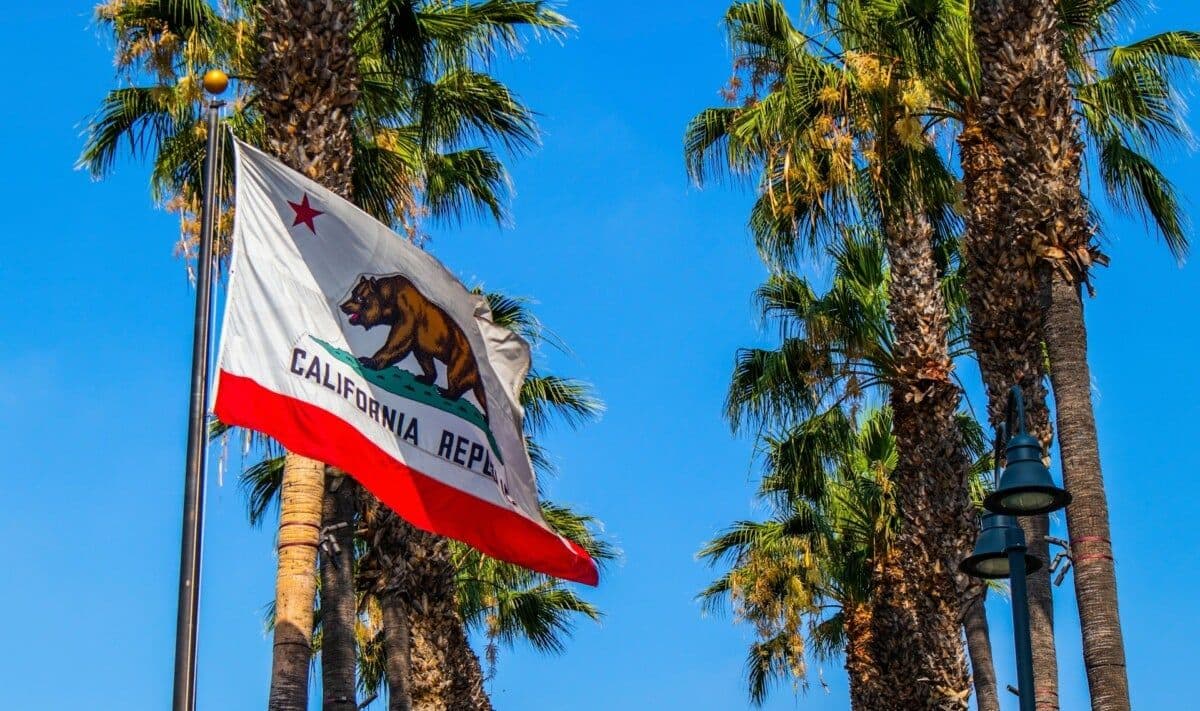
California's cardrooms are contesting state agreements favoring tribal casinos, citing tax inequities. Unlike tribal operators, cardrooms must pay various taxes, including federal and state corporate taxes, in addition to local municipal levies. The California Gaming Association (CGA) claims that tribal operators run a $12 billion industry with minimal tax obligations, while the state imposes new taxes on California residents. Kyle Kirkland, President of CGA, protested, arguing that recent court decisions, like the San Francisco Superior Court's overruling of Attorney General Rob Bonta's blackjack ban, are steps toward addressing legal biases. Bonta’s statewide ban attempt reflects ongoing tensions.
Financial Obligations of Tribal vs. Commercial Operators
Tribal casinos in California do not pay taxes similar to cardrooms. Instead, they contribute to a revenue-sharing trust benefiting non-gambling tribes. Governor Gavin Newsom recently signed a 25-year compact with the Fort Mojave Indian Tribe allowing them to run two casinos. While operating these casinos with 1,200 slot machines and table games, they are exempt from state revenue claims. Instead, the tribe must donate 0.5% of net earnings to a mitigation fund and cover regulatory expenses. The CGA criticized such agreements as 'sweetheart deals' that undermine competitors and taxpayers.
Concerns About Monopoly and Market Impact
Kirkland has denounced Newsom’s agreement, labeling it a "scam" in discussions with the New York Post. Tribal casinos, according to Kirkland, aim to quash competition by expanding a monopoly on slot machines without sharing revenue with state residents. He emphasized, “California taxpayers deserve better.”
Historical and Legislative Context
In March 2000, California voters approved a constitutional amendment permitting federally recognized tribes to run gambling facilities on their lands. The CGA now argues that recent state actions breach that mandate, urging public discourse on revising the framework. Many tribal operators in California do not disclose financial data, making it challenging to verify CGA's revenue estimates. However, if tribal casinos shared cardrooms' tax burden, the state could gain an estimated $1.8 billion annually.
Revenue Figures and Recent Developments
Despite record earnings, as indicated by the National Indian Gaming Commission with a 5.3% annual growth in gross revenues reaching $2.3 billion for FY 2025, tribal casinos face hurdles. The Department of the Interior instructed the Scotts Valley Band of Pomo Indians to cease its temporary casino operations and abandon plans for a $700 million permanent facility.
Competitive Landscape
While California cardrooms, such as San Jose's Casino M8trix and Bay 101, contribute approximately $30 million annually in taxes, certain tribal casinos report substantial profits. The Corning Rolling Hills Casino and Resort and the Oroville-based Feather Falls Casino account for substantial yearly revenue.
Tags
About the author

Eleanor Whitfield
Regulatory Affairs Correspondent
Eleanor Whitfield tracks gambling legislation, licensing decisions, and regulator enforcement across key markets — from the UKGC, MGA, and Germany's GGL to Spain's DGOJ and the state-by-state map in the Americas. The reporting answers three questions precisely: what changed, where, and who it affects, with jurisdictions, effective dates, and penalty figures named exactly as published. Compliance officers and operators read Eleanor Whitfield to know which rulebook moved before their next board meeting.
More from Eleanor Whitfield