Cluj-Napoca Enacts Ban on Physical Gambling Venues, Allowing Temporary Poker Exception
Romania's second-largest city will prohibit most physical gambling establishments after current licences expire, with a one-year trial extension for the municipality’s poker club.
Key Takeaways
- Cluj-Napoca Local Council has banned physical gambling venues, effective after current licences expire.
- The decision includes a one-year trial exception for the city’s poker club after its licence ends.
- Mayor Emil Boc cited public demand and distinctions between poker and slot machine games in council debates.
- Ongoing operator activity is permitted only until existing licences lapse; no immediate closures will occur.
- Cluj-Napoca is now the largest Romanian city to introduce a municipal-level gambling ban.
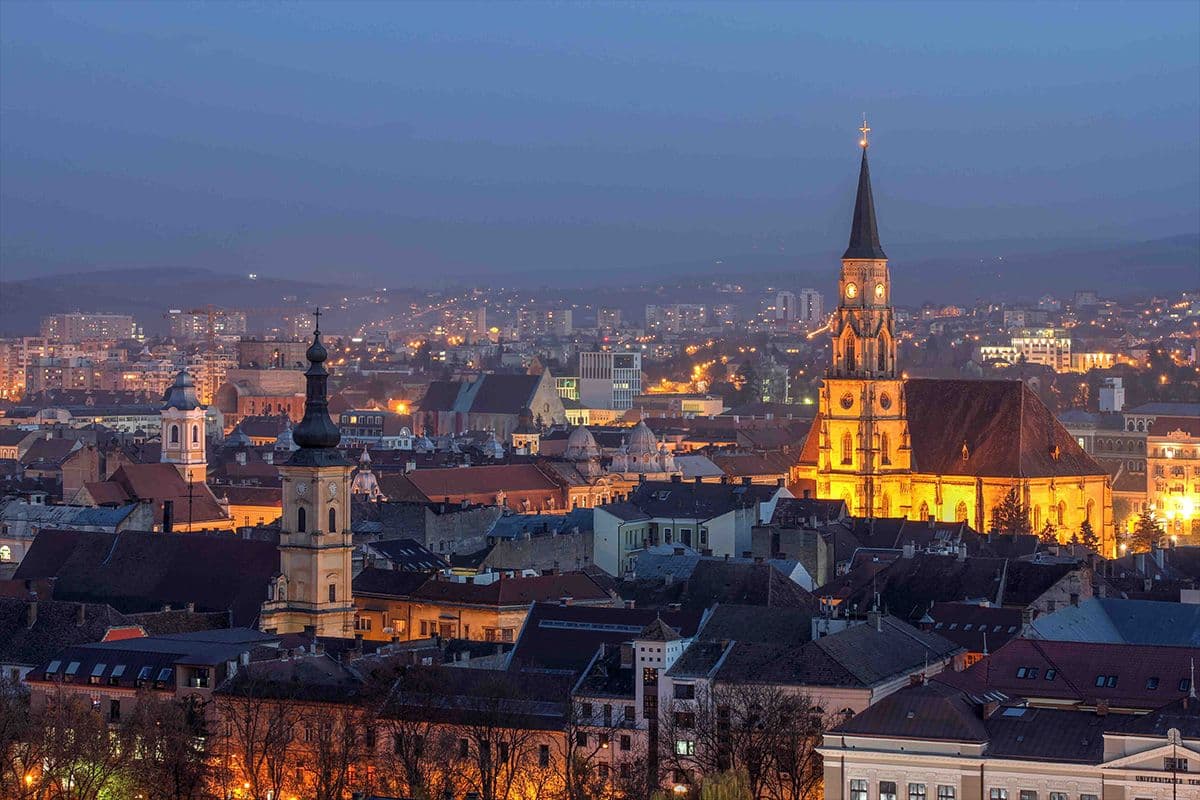
Cluj-Napoca, Romania's second-largest city, has officially passed a ban on most physical gambling operations within its municipal borders, effective once existing licences expire. The Local Council approved the measure by majority vote, with only a temporary exception granted to the city’s sole poker club, which will be allowed to operate for one additional year post-licence expiry while its community impact is reviewed.
Ban Details: Scope, Implementation, and Exceptions
The decision from Cluj-Napoca Local Council prohibits "gambling activities in physical spaces" throughout the municipality. All current licence holders may continue their operations until the existing authorisations expire, but no renewals or new licences will be issued under the new policy. The exception—explicitly for the municipality’s poker club—establishes a trial period: the poker venue may remain open for twelve months after its current licence period ends.
During this year-long window, the city administration will monitor the poker club and determine whether its activities present concerns for the local community. Should problems develop, authorities may extend the ban to encompass poker in future regulatory sessions.
"In poker, players make successive decisions and use strategies, while in slot machines the outcome is randomly determined by the machine," said Mayor Emil Boc during the public council session. The distinction, discussed in municipal debates, was a key consideration in the council’s exception for poker.
Decision Process and Community Considerations
The ordinance was adopted on Friday by the Cluj-Napoca Local Council, with 24 votes in favour and one council member abstaining. Consultations included public hearings where council members weighed concerns about the impact of gambling venues and received submissions from residents. Emil Boc, the Mayor of Cluj-Napoca, emphasised that the decision responds directly to public demand for stricter controls on gambling in the city.
"We took into account what the people of Cluj want and passed this project," Boc declared following the vote. The trial status of the poker club reflects this responsive approach, allowing the city to evaluate real-world impacts before taking further action.
Operational Timelines and Enforcement for Gambling Operators
Gaming halls and other affected physical gambling businesses will not be forced to close immediately. Instead, each operator may continue their current offering until their specific existing licence expires. Once a licence lapses, the ban takes effect for that operator, and continued operation will not be legal in Cluj-Napoca.
The enforcement regime will require ongoing oversight by municipal authorities to ensure compliance at the point of licence expiration. No indication has been given of compensation for lost revenue to licensees; the council has simply set the policy forward on the basis of public interest.
Regulatory Position: Rationale and Next Steps
Mayor Emil Boc clarified in the council meeting that skill and decision-making were central topics of debate. While slot machines and similar games are considered strictly random, poker was identified as involving strategy and player agency, warranting its temporary reprieve.
Boc added a personal observation on the monitoring process:
"I can see the poker guys from the window, if they're not okay we'll close them down. So far I’ve never seen an incident in that area. We’ll give them a chance for a year and then we’ll draw a conclusion."
After the probation year, an additional council review will determine whether the poker exception remains, or whether the ban should also apply to this final physical gambling venue.
Cluj-Napoca Ban in Broader Romanian Gambling Regulation
Cluj-Napoca is now the largest Romanian city to enact such a comprehensive restriction on in-person gambling establishments. This municipal-level move comes at a time when localities across Romania are weighing their own regulatory responses. The action marks a notable development within the broader Romanian gambling regulation landscape and can impact policy discussions in other urban areas.
Operators and regulators should monitor further decisions from the Local Council as both the effects on the poker club and administrative enforcement mechanisms become clearer over the next year.
Frequently Asked Questions
When does the Cluj-Napoca gambling ban take effect?
The ban applies once each physical gambling venue’s current licence expires, rather than closing sites immediately. Operators will be able to continue offering gambling services only for the duration of their valid licence terms.
Is any gambling operation exempt from the ban in Cluj-Napoca?
Yes, the only exception is the municipality’s poker club, which may continue operations for one year after its licence lapses. The city will use this period to monitor its community impact before making a final ruling.
Why was poker treated differently from other gambling activities?
Mayor Emil Boc explained that poker relies on strategy and player decisions, distinguishing it from slot machines where outcomes are random. This distinction was discussed during public debates, leading to the poker club’s temporary exception.
Will existing gaming halls in Cluj-Napoca close immediately?
No, gaming halls may continue operations until their licences expire. Only after that point are they required to cease physical gambling activities under the new policy.
How will the city evaluate the poker club during its trial period?
The municipality will actively monitor the poker club’s operation and assess whether it causes community issues, with Mayor Emil Boc directly overseeing the process. If problems arise, the ban could be expanded to include poker.
Tags
About the author

Eleanor Whitfield
Regulatory Affairs Correspondent
Eleanor Whitfield tracks gambling legislation, licensing decisions, and regulator enforcement across key markets — from the UKGC, MGA, and Germany's GGL to Spain's DGOJ and the state-by-state map in the Americas. The reporting answers three questions precisely: what changed, where, and who it affects, with jurisdictions, effective dates, and penalty figures named exactly as published. Compliance officers and operators read Eleanor Whitfield to know which rulebook moved before their next board meeting.
More from Eleanor Whitfield