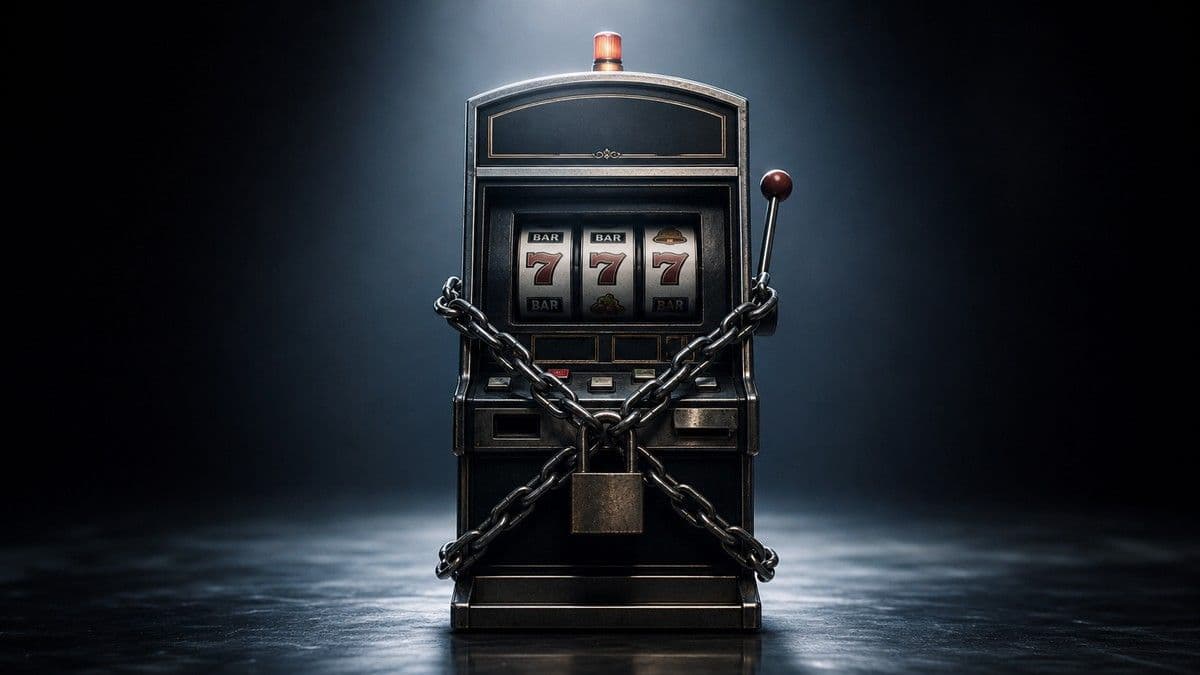
Federal government of Brazil requests removal of 348 profiles promoting illegal betting
Request complements blocking of over 47,000 unlawful sites after MP 1.394/2026
Key Takeaways
- The federal government of Brazil requested removal of 348 influencer profiles promoting unlicensed platforms, with a combined audience of more than 150 million followers.
- The Secretariat of Prizes and Betting reported blocking over 47,000 illegal sites up to 6 November following Provisional Measure 1.394/2026 of 25 September.
- A LegitBet study for the ANJL identified 802 Instagram profiles that promoted 844 sites between 21 October and 2 November, with 74% repeating promotions.
- Supreme Federal Court minister Luiz Fux ordered a national suspension of first-instance lawsuits challenging MP 1.394/2026 until the STF plenary decides on pending actions.
The federal government of Brazil has requested the removal of 348 influencer profiles that promote unlicensed betting platforms, with a combined audience exceeding 150 million followers. The request was communicated by the Ministry of Justice and Public Security and complements technical actions that have blocked more than 47,000 illicit websites up to 6 November.
By Miguel Sandoval, Corresponsal de regulación.
Scope of the intervention and legal basis
The offensive rests on the publication of Provisional Measure 1.394/2026 of 25 September, which imposed a national prohibition on fixed-odds betting operations. According to the Secretariat of Prizes and Betting (SPA), linked to the Ministry of Economy (Ministry of Finance), authorities have blocked more than 47,000 illegal sites up to 6 November, an average exceeding 1,100 domains blocked per day since the MP entered into force.
The government has shifted focus beyond domains and is now targeting acquisition channels: social networks, messaging groups and intermediary pages used to steer players to unauthorized platforms.
Interagency coordination and takedown request
The request to remove the 348 profiles was led by the Ministry of Justice and Public Security through the National Secretariat for Digital Rights (Sedigi) and the National Secretariat of Public Security (Senasp), with support from the Cyber Operations Laboratory (Ciberlab). The Executive emphasizes that limiting action to site blocking does not prevent promotional content reaching vulnerable consumers through influencers and digital personalities.
Effective execution of the removals depends on the cooperation of the digital platforms that host the profiles.
Independent monitoring and exposure on networks
Studies commissioned by the Associação Nacional de Jogos e Loterias (ANJL) and carried out by LegitBet found that between 21 October and 2 November there were 802 Instagram profiles that promoted 844 distinct betting sites. Approximately 74% of those profiles conducted promotions repeatedly. Most of the reported accounts had between 10,000 and 100,000 followers.
The ANJL, whose president is Plínio Lemos Jorge, warned that these campaigns can expose millions of consumers, including minors, to platforms without standard consumer protections.
Journalistic investigations by Metrópoles also located 87 active betting domains distributed across six Telegram channels that together had more than 43,000 subscribers.
Industry criticism and litigation at the Supreme Court
Industry organisations such as the ANJL have criticised the broad prohibition imposed by MP 1.394/2026, noting that prior to the measure there were 85 legal entities federally authorised to operate in Brazil and that they operated under identification controls and measures to prevent underage gambling.
The legal challenges elevated the matter to the courts. At the request of Attorney General Paulo Gonet, Supreme Federal Court (STF) minister Luiz Fux ordered a national suspension of first-instance lawsuits challenging the constitutionality of the Provisional Measure. That suspension will remain until the STF plenary resolves the pending direct actions of unconstitutionality.
Operational status and next steps
Authorities are maintaining both technical domain-blocking operations and efforts to remove promotional profiles on networks. The Ministry of Justice indicated that the coordinated actions aim to reduce user acquisition through digital channels while the judicial discussion over MP 1.394/2026 continues at the STF.
Frequently Asked Questions
What central action did the federal government request against illegal betting promotion?
The federal government requested the removal of 348 influencer profiles that promoted unlicensed betting platforms, accounts with a combined audience of over 150 million followers. The request was managed by the Ministry of Justice and Public Security through Sedigi and Senasp with support from Ciberlab.
How many illegal sites did authorities block and since when?
Authorities blocked more than 47,000 illegal sites up to 6 November, a figure recorded since the publication of Provisional Measure 1.394/2026 on 25 September. The SPA calculated an average exceeding 1,100 domains blocked per day since the MP entered into force.
What did independent monitoring reveal about Instagram promotion?
The LegitBet study for the ANJL detected 802 Instagram profiles that promoted 844 betting sites between 21 October and 2 November, and 74% of those accounts conducted repeated promotions. Most of those accounts had between 10,000 and 100,000 followers.
What is the status of judicial challenges against Provisional Measure 1.394/2026?
Supreme Federal Court minister Luiz Fux ordered a national suspension of all first-instance lawsuits that challenge the constitutionality of MP 1.394/2026, and the suspension will remain until the STF plenary issues a final decision on the direct actions of unconstitutionality.
Tags
About the author

Miguel Sandoval
Regulatory Affairs Correspondent
Miguel Sandoval tracks gambling legislation, licensing, and regulator enforcement — from Spain's DGOJ and the Latin American authorities to the UKGC, the MGA, and the state-by-state map in North America. The reports answer three questions precisely — what changed, where, and who it affects — with jurisdictions, dates, and penalties cited exactly as published. Operators and compliance officers read Miguel Sandoval to know which rulebook moved before their next meeting.
More from Miguel Sandoval