Gambling reform in Spain paused after election call
Election call for 29 November 2026 halts parliamentary processing of changes to Law 13/2011
Key Takeaways
- The 29 November 2026 election call suspended parliamentary processing of the reform to Law 13/2011.
- Royal Decree 520/2026 (June 2026) sets deposit limits of €700 per day, €1,750 per week and €3,300 per four‑week period.
- The Ministry of Social Rights, Consumer Affairs and the 2030 Agenda had consulted on stricter advertising controls, limits to acquisition promotions and expanded risk warnings.
- The measures in the royal decree are immediately applicable and must be incorporated into operators' compliance and payment systems.
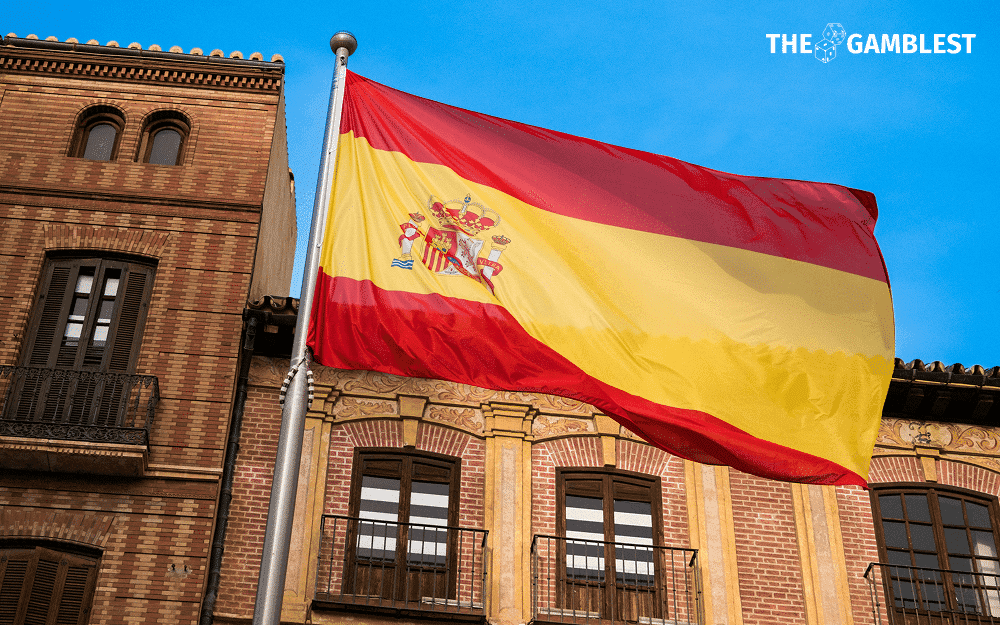
Gambling reform in Spain is paused after the general election was called for 29 November 2026. The announcement by Prime Minister Pedro Sánchez interrupts the parliamentary timetable for proposed changes to Law 13/2011 and leaves uncertainty about the scope and timing of the pending measures.
Gambling reform in Spain: what has been put on hold
The Ministry of Social Rights, Consumer Affairs and the 2030 Agenda launched public consultations this year aimed at updating Law 13/2011; those consultations formed the basis of the reform project now stalled by the election campaign. The proposals under discussion included stricter controls on betting advertising, with particular attention to the use of celebrities and influencers, limits on customer-acquisition promotions, restrictions on advertising in search engine results, and expanded warnings about the risks of gambling.
Measures already approved that will remain in force
Although the legislative process is now at a standstill because of the election, several measures approved this year will remain in force. Royal Decree 520/2026, adopted in June 2026, establishes deposit limits across operators: €700 per day, €1,750 per week and €3,300 for a four‑week period. Those figures were published in the text of the decree and do not depend on the progress of the law reform project.
What the Ministry's proposals would have meant
The consultations opened by the Ministry of Social Rights, Consumer Affairs and the 2030 Agenda seek to update the regulatory framework in several concrete areas:
controls on advertising involving public figures, including artists and content creators;
limitation of commercial incentives aimed at acquiring new customers;
specific restrictions on the presence of ads in internet search results;
more visible and expanded warning messages about the risks associated with gambling.
The public consultation texts did not include entry‑into‑force dates for the proposed measures: their approval depended on the legislative process that has now been halted by the election call.
Election timetable and effects on processing
The election call for 29 November 2026 interrupts the ordinary legislative agenda. In practice, this delays preparation of the final draft, its parliamentary debate and any potential amendment of Law 13/2011. The uncertainty is strictly procedural: it remains open whether the reform will resume with the same content after the election or whether the new legislature will introduce changes to the approach.
"Gambling regulation may be part of broader debates on consumer protection, public health and the digital economy, but there is little indication it will be a sharply divisive electoral issue," said Cristina Romero de Alba, partner at Loyra Abogados.
The quote from Cristina Romero de Alba underscores that, according to gambling law specialists, the subject may appear in public debate without becoming a central campaign issue.
What operators and suppliers should watch /reformadeljuego
Licensed operators in Spain must consider two simultaneous realities: on one hand, the possibility of pending legal changes; on the other, the immediate applicability and entry into force of Royal Decree 520/2026. The obligations arising from the decree — including the daily, weekly and monthly deposit limits — are already enforceable and must be reflected in compliance processes and in customer‑account control systems.
Technology and payments providers must continue implementing mechanisms that allow enforcement of the deposit limits defined by the decree, and operators' marketing and compliance areas will have to adapt their campaigns to the published restrictions and to potential prohibitions on promotions and advertising in search engines. See guidance for payments and compliance in [payments](/payments) and [b2b](/b2b).
Regulatory outlook after the election
The election call does not by itself annul measures already adopted, but it does postpone the final ruling on deeper reforms to Law 13/2011. The electoral outcome and the legislative priorities of the next legislature will determine whether the proposals on advertising controls and promotion limits advance with the same text, are softened, or are expanded.
Regulatory and compliance professionals should watch the parliamentary timetable after 29 November and keep operational procedures updated with respect to the limits already established by Royal Decree 520/2026. Operators may also find it useful to monitor /regulation coverage and sector news at [news](/news).
Technical conclusion for companies
The 29 November 2026 election call pauses processing of the reform to Law 13/2011, but it does not suspend Royal Decree 520/2026 or the deposit limits it contains. Operators, payment platforms, marketing agencies and legal advisers must apply the deposit figures already in force and closely follow any reactivation of the legislative process once the new parliamentary composition is formed.
Miguel Sandoval, Regulatory correspondent.
Frequently Asked Questions
What effect does the 29 November election call have on the gambling reform?
The 29 November 2026 election call has suspended the parliamentary processing of the reform to Law 13/2011 and interrupted the timetable for debates and consultations initiated by the Ministry; the legislative process will resume only after the new parliament is constituted.
What deposit limits are currently in force in Spain?
Royal Decree 520/2026, adopted in June 2026, establishes deposit limits of €700 per day, €1,750 per week and €3,300 for a four‑week period; these figures are published in the decree and remain applicable independently of the stalled reform.
Which regulatory areas were under consultation before the suspension?
The Ministry's consultations covered stricter controls on advertising involving celebrities and influencers, limitations on customer‑acquisition promotions, restrictions on ads in search engine results and expanded warning messages about gambling risks.
Do operators need to adapt their systems now?
Yes. Operators must implement the deposit limits in Royal Decree 520/2026 and update compliance processes and payment systems to enforce €700 daily, €1,750 weekly and €3,300 per four weeks; they should also monitor any future changes if the reform resumes.
Tags
About the author

Miguel Sandoval
Regulatory Affairs Correspondent
Miguel Sandoval tracks gambling legislation, licensing, and regulator enforcement — from Spain's DGOJ and the Latin American authorities to the UKGC, the MGA, and the state-by-state map in North America. The reports answer three questions precisely — what changed, where, and who it affects — with jurisdictions, dates, and penalties cited exactly as published. Operators and compliance officers read Miguel Sandoval to know which rulebook moved before their next meeting.
More from Miguel Sandoval