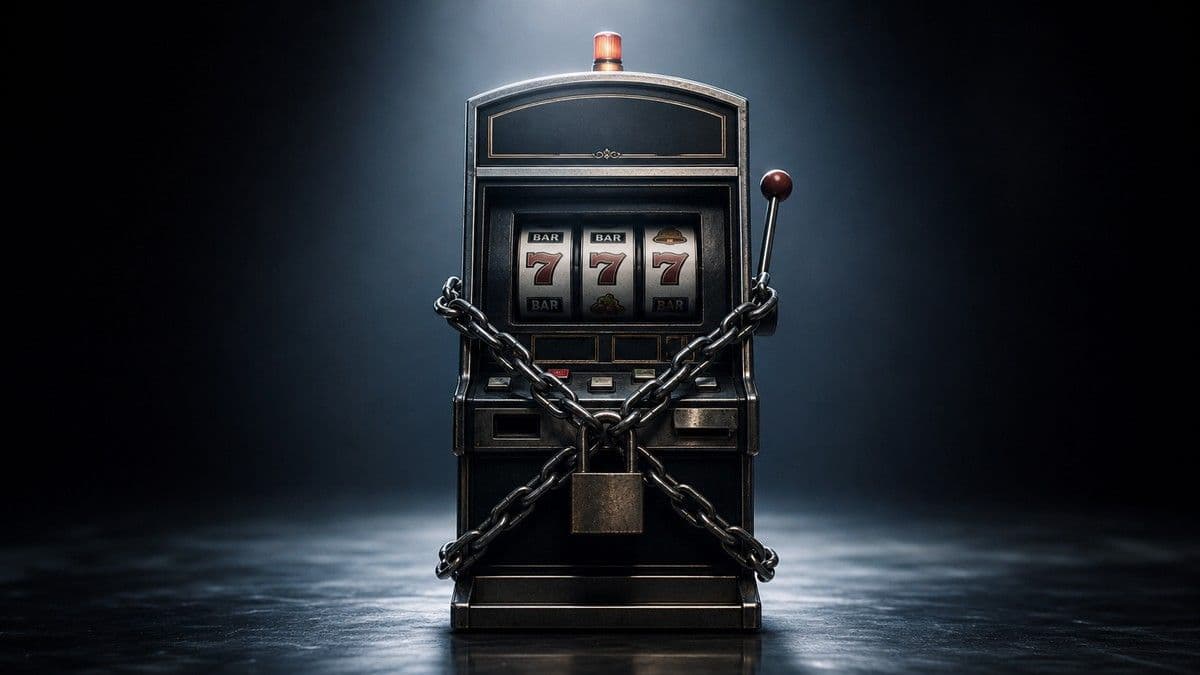
STF Returns Brazil’s 1941 gaming-ban case to plenary; no hearing date set
RE 966177 automatically included for plenary on 12 November 2026 after a 90-day vista limit expired.
Key Takeaways
- The STF returned RE 966177 to the plenary on 12 November 2026 after Justice Flávio Dino's 90-day vista expired under Emenda Regimental 58.
- Justice Luiz Fux voted on 6 August that Article 50 of Decree-Law 3.688/1941 "foi recepcionada pela Constituição de 1988."
- The plenary agreed in August to decide RE 966177 together with ADIs against the 2023 betting law and related challenges.
- At least 2,728 stayed lower-court cases await the STF ruling, according to the court's press material.
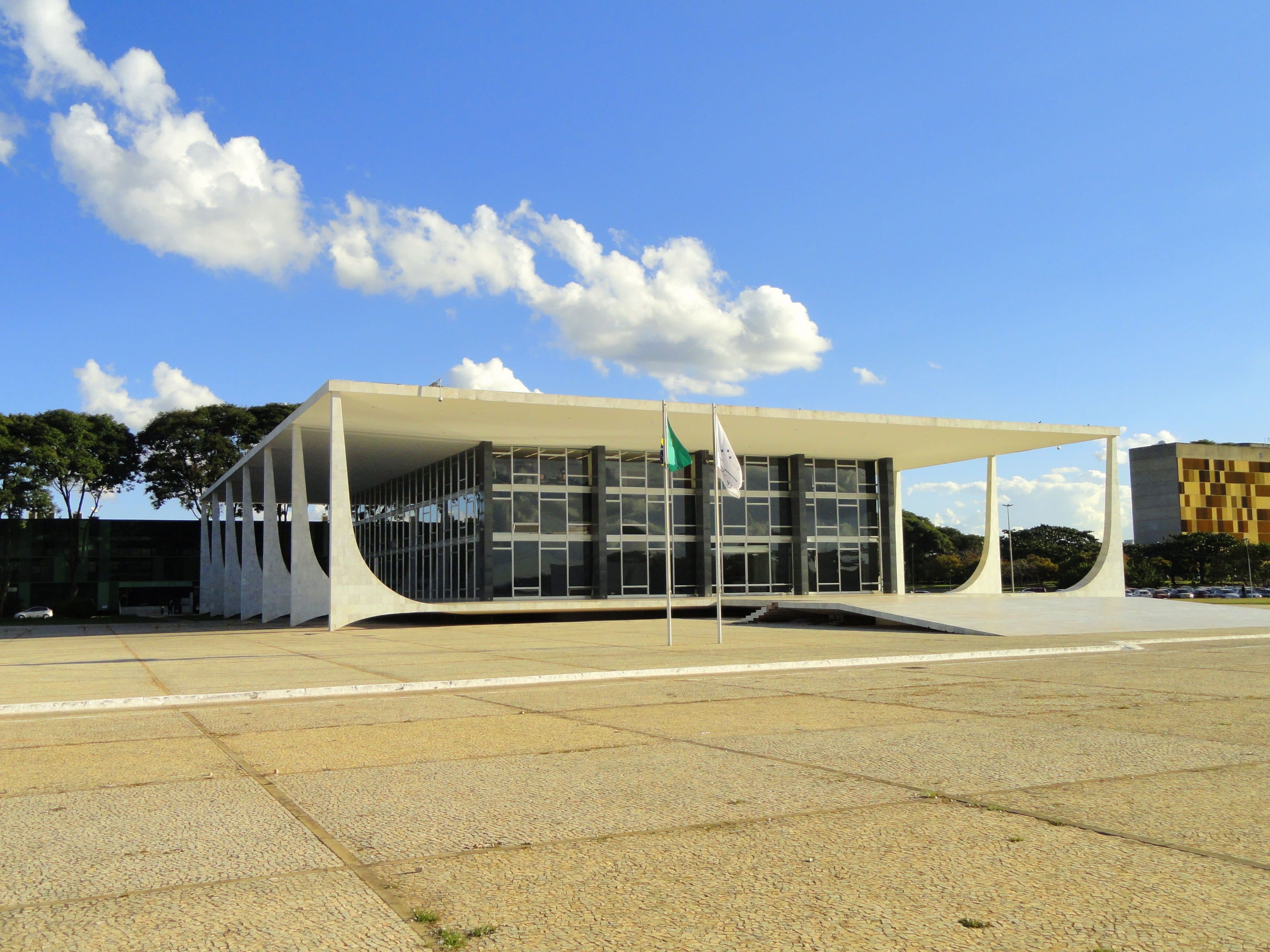
The Supreme Federal Tribunal (STF) returned the case RE 966177 — testing whether Article 50 of Decree-Law 3.688/1941 survived the 1988 Constitution — to the plenary for in-person judgment on 12 November 2026, but the court has not set a hearing date. Rapporteur Justice Luiz Fux has already voted, on 6 August, that the 1941 criminal ban on games of chance "foi recepcionada pela Constituição de 1988"; Justice Flávio Dino returned the file on 12 November under the STF's automatic-inclusion rule after his 90-day review period expired.
How the file was returned to the plenary
The STF docket for RE 966177 records on 12 November 2026 the entry "Vista - Devolução dos autos para julgamento" under Justice Flávio Dino's name, followed by a timestamped note: "Processo incluído para julgamento de forma automática, conforme Emenda Regimental 58, de 19 de dezembro de 2022." Emenda Regimental 58 gives a justice 90 days from publication of the minutes to return a file; if the justice does not return it in that window the file is automatically released for inclusion in the plenary list. The minutes of the 6 August session were published on 13 August, so the 90 days ran to 11 November and the automatic inclusion was recorded at 00:00:03 on 12 November.
RE 966177 arises from an appeal by prosecutors from the state of Rio Grande do Sul against an appeals panel that acquitted a trader who ran slot machines in a bar in São Leopoldo. Article 50 of Decree-Law 3.688/1941 punishes running games of chance in a place open to the public with three months to a year of simple imprisonment and a fine.
What justices have said and how the case is paired
Justice Luiz Fux, the rapporteur, voted on 6 August to restore the conviction in the São Leopoldo case and proposed the thesis that the contravention "foi recepcionada pela Constituição de 1988." Justice Flávio Dino concurs with the thesis's validity but has argued that any STF thesis should reach online betting as well. By consensus the plenary agreed in August to decide RE 966177 together with constitutional challenges to the 2023 betting law.
The plenary's August decision grouped RE 966177 with actions against the betting statute identified as ADIs 7721 and 7723. On 4 November the plenary heard ADPF 1212, the Solidariedade party's challenge to municipal lotteries; the session record shows the hearing was suspended after the rapporteur's report. Industry reporting by BNLData and coverage by iGaming Times indicate that Justice Dino proposed a joint thesis covering the betting law, the four ADIs against Provisional Measure 1.394, and RE 966177, and that the plenary agreed to a combined disposition in principle.
"foi recepcionada pela Constituição de 1988"
The issues the plenary will confront
The core legal question in RE 966177 is whether Article 50 of Decree-Law 3.688/1941 was received — that is, remains valid — after the 1988 Constitution. If the plenary confirms reception it recognises that the state may criminalise games of chance. The reception doctrine, however, means the state may criminalise gambling but is not required to do so; on that basis a later statute licensing betting would not automatically be unconstitutional. Justice Fux has already used that reception thesis in his 6 August vote.
A joint ruling could also determine the constitutional status of Provisional Measure 1.394, which underlies the 2023 betting regime and which Congress has extended into March 2027. The question whether the provisional measure was an appropriate urgent act is separate from the reception issue; Justice Fux raised the urgency point at the 3 November hearing.
The plenary also has before it ADPF 1212 by Solidariedade, which challenges municipal lotteries and was suspended on 4 November after argument and a report by Justice Nunes Marques.
Practical consequences and the outstanding caseload
At least 2,728 lower-court cases are stayed awaiting a plenary decision, according to STF press material. The court's 8 November order freezing lower-court challenges already cited Justice Fux's 6 August vote. A single plenary judgment could resolve multiple pending matters at once: the criminality of gaming under Article 50, the constitutionality of the 2023 betting law and related ADIs, and the municipal-lottery challenge in ADPF 1212.
The automatic release on 12 November removes the last procedural obstacle to listing RE 966177, but it is not a hearing date. The case now waits for STF President Edson Fachin to place it on the plenary calendar; the court has previously set and then dropped calendar dates for this file in 2022 and April 2026.
What to expect next
When the plenary sits the rapporteur handling the betting challenges and the gaming appeal — Justice Luiz Fux — will present his position that Article 50 was received by the 1988 Constitution and ask the court to confirm that vote. Any joint thesis that follows Justice Flávio Dino's drafting preferences could explicitly address online betting and the scope of the state's power to prohibit it, which would directly relate to Provisional Measure 1.394 and the ADIs against it.
Until President Edson Fachin lists the matter, operators and litigants should treat the 12 November entry as a procedural advance rather than a scheduled hearing. The STF's calendar determines when the plenary will hear and decide the questions now pending.
For related coverage see reporting on the 2023 betting law and the municipal-lotteries dispute in our regulation and news sections. Industry reaction and operational impacts have been discussed in specialist outlets and in the ongoing court minutes and press releases cited in the STF record.
Frequently Asked Questions
What is RE 966177 and why was it returned to the STF plenary?
RE 966177 is an appeal testing whether Article 50 of Decree-Law 3.688/1941 survived the 1988 Constitution; it was returned to the plenary on 12 November 2026 after Justice Flávio Dino returned the file following a 90-day vista limit set by Emenda Regimental 58.
What did Justice Luiz Fux rule in the case so far?
Justice Luiz Fux voted on 6 August to restore the conviction in the São Leopoldo slot-machine case and proposed the thesis that the contravention "foi recepcionada pela Constituição de 1988."
Will the STF decide the gaming ban together with the betting law challenges?
Yes; the plenary agreed in August to decide RE 966177 together with ADIs 7721 and 7723 against the 2023 betting law and related ADIs, and reporting indicates a joint thesis covering Provisional Measure 1.394 and municipal-lottery challenges was proposed.
How many cases are on hold waiting for the STF ruling?
At least 2,728 stayed lower-court cases are awaiting the plenary ruling, according to STF press material referenced in the court record.
Tags
About the author

Eleanor Whitfield
Regulatory Affairs Correspondent
Eleanor Whitfield tracks gambling legislation, licensing decisions, and regulator enforcement across key markets — from the UKGC, MGA, and Germany's GGL to Spain's DGOJ and the state-by-state map in the Americas. The reporting answers three questions precisely: what changed, where, and who it affects, with jurisdictions, effective dates, and penalty figures named exactly as published. Compliance officers and operators read Eleanor Whitfield to know which rulebook moved before their next board meeting.
More from Eleanor Whitfield