GLI Highlights the Right Balance in Gaming Regulation
GLI's speech emphasizes how to build trust in regulated markets by combining governance, transparency, and sustainability.
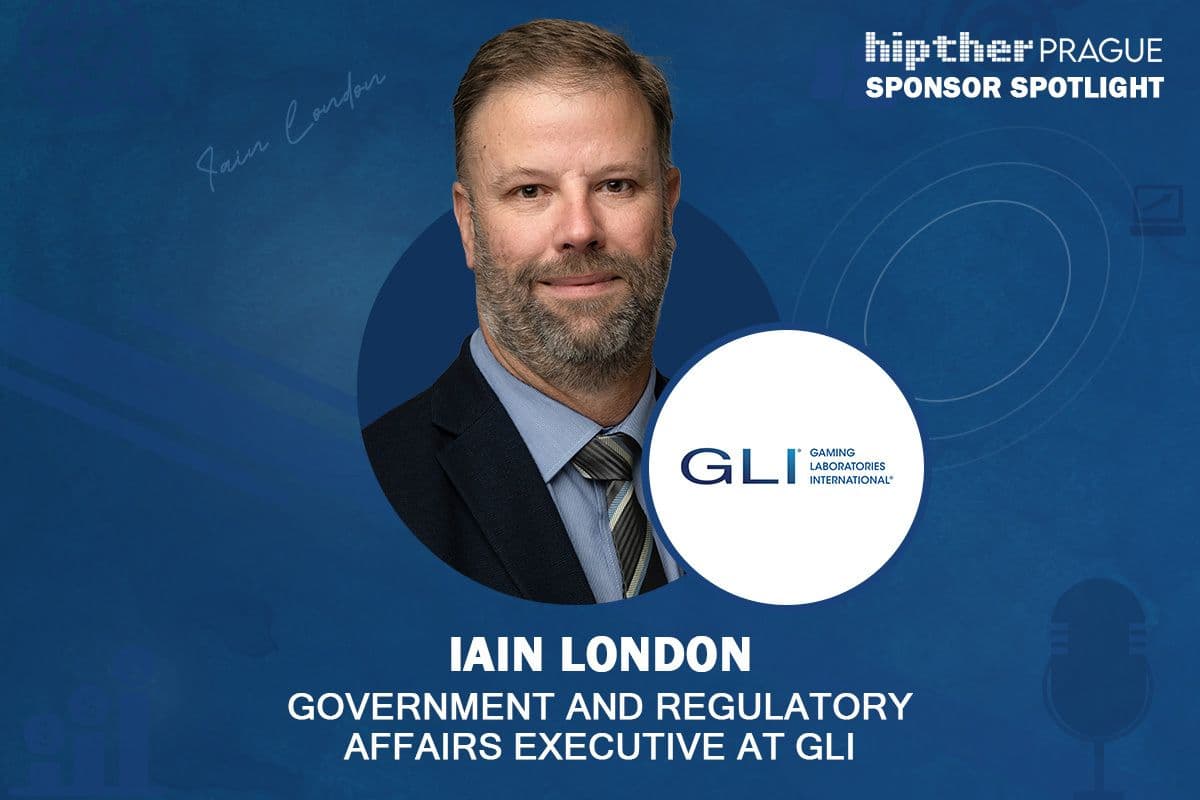
After his speech at the HIPTHER Prague Summit 2026, Iain London, Executive of Government and Regulatory Affairs at Gaming Laboratories International (GLI), discussed the critical elements for generating trust in regulated gaming. With over 25 years of experience in global gaming markets, London closely collaborates with regulators in EMEIA to support the development of effective regulatory frameworks.
Key Elements for Trust
According to London, trust in regulated markets is not an abstract aspect, but something that is designed. Regulation, more than control, is market design: it creates conditions for players to feel protected, operators to grow responsibly, and innovation to emerge with confidence. Governance, transparency, and sustainability are essential. Governance brings accountability, transparency allows for verification, and sustainability protects in the long term. These elements are the foundation of a trustworthy market.
Differences Between Regulatory Frameworks
An enabling framework is clear, proportionate, and risk-based, allowing innovation for operators while providing regulators with tools to meet public policy objectives. In contrast, a restrictive framework tends to be unclear, difficult to comply with, or disconnected from the real market. The best frameworks enable responsible growth, establish clear expectations regarding player protection, technical integrity, and compliance.
Achieving Regulatory Balance
The balance in regulation is based on sustainability: effectively protecting players while keeping the market competitive and attractive in the long term. Rules must meet the regulator's objectives without imposing disproportionate burdens. Regulations such as advertising need to be evidence-based and proportionate. Proactive engagement by regulators with the industry and fair and consistent enforcement are key.
GLI's Support for Regulators
GLI assists regulators with technical expertise, regulatory insight, and a global perspective. Its role is to support best practices and frameworks that allow innovation to flourish responsibly. This includes developing technical standards and rules, as well as advising on new technologies, cybersecurity, and responsible gaming. GLI University® also offers ongoing education to enhance understanding of technical requirements and regulatory objectives.
Preparing Future Frameworks
Innovation moves at a rapid pace in gaming, making it crucial that frameworks are principle-based and technologically neutral, allowing adaptations as technology evolves. GLI continuously reviews and updates its standards with input from regulators and stakeholders. This helps create a common language of trust and consistency across markets.
Ongoing Education for Regulators
Ongoing education is key for effective oversight, as it allows understanding not only the rules but also why and how they should be applied. GLI University® courses help participants advance beyond compliance, exploring the principles behind obligations. This understanding allows regulators and professionals to better respond to new risks.
Future Regulatory Challenges
One of the main challenges will be maintaining trust as the pace of change accelerates. Regulators will need to address complex issues such as artificial intelligence and cybersecurity, while still attending to matters like responsible gaming. More cooperation between regulators will be required, along with a focus on technologically neutral and evidence-based regulations.
GLI has experience in over 710 jurisdictions, enabling them to advise regulators on best practices tailored to their needs.
Tags
About the author

Miguel Sandoval
Regulatory Affairs Correspondent
Miguel Sandoval tracks gambling legislation, licensing, and regulator enforcement — from Spain's DGOJ and the Latin American authorities to the UKGC, the MGA, and the state-by-state map in North America. The reports answer three questions precisely — what changed, where, and who it affects — with jurisdictions, dates, and penalties cited exactly as published. Operators and compliance officers read Miguel Sandoval to know which rulebook moved before their next meeting.
More from Miguel Sandoval