GLI's Insights on Balancing Regulation and Trust in the iGaming Sector
Iain London discusses the need for governance, transparency, and sustainability in regulated markets. GLI supports regulatory frameworks adaptable to tech changes.
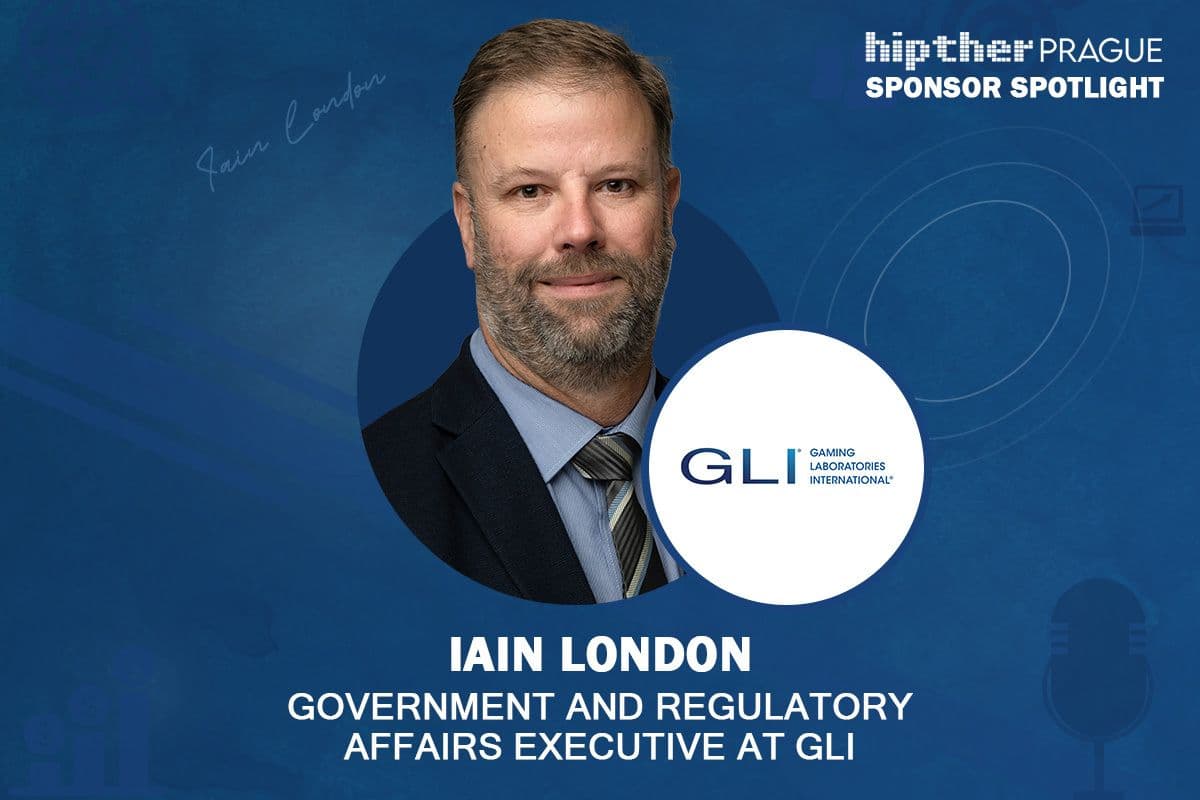
At the HIPTHER Prague Summit 2026, Iain London, Executive at Gaming Laboratories International (GLI), underscored the role of trust in gambling regulation. He emphasized that effective regulatory frameworks are crucial, focusing on governance, transparency, and sustainability as core elements to ensure a trusted market.
Building Trust in Regulated Markets
In Prague, London's keynote highlighted that trust in gambling is engineered into regulatory markets to foster responsible growth. He explained that governance ensures accountability, transparency offers verification of processes, and sustainability balances player protection with market evolution. Collectively, these components create a robust framework ensuring innovation and reliability in the iGaming sector.
Characteristics of Effective Regulatory Frameworks
Effective frameworks are clear, proportionate, and risk-based, allowing operators and suppliers to innovate with confidence. Such frameworks are consistently enforced and adaptable, contrasting with restrictive regulations that are overly prescriptive or disconnected. The balance between control and market confidence is vital, ensuring the rules promote responsible growth without stifling creativity.
Balancing Player Protection and Market Competitiveness
Market sustainability is achieved by designing regulations that safeguard players yet maintain competitiveness. Overburdening operators could inadvertently push consumers toward unlicensed alternatives. For instance, advertising controls must protect vulnerable groups without unduly constraining licensed operators, preventing illegal operators from gaining ground.
GLI's Support for Regulatory Frameworks
GLI aids regulators with technical expertise, collaborating to create adaptable regulatory frameworks. Their teams, including legal and compliance experts, help define technical standards and address emerging topics like cybersecurity and responsible gaming. GLI University® plays a critical role in educating about technical requirements and regulatory objectives, keeping frameworks practical amid evolving technology.
Future-Proofing Regulatory Frameworks
With rapid innovation, regulatory frameworks must be principles-based and technology-neutral, avoiding ties to specific products. Regular reviews ensure relevance, as seen with GLI’s global standards. Shared standards provide a common language of trust, enabling consistency across markets and supporting interoperability.
Education's Role in Effective Oversight
Ongoing education, such as GLI University® programs, enhances understanding of regulatory principles. By focusing on the ‘why’ behind standards and rules, regulators can make informed decisions and respond to new risks efficiently. This fosters greater oversight capability and consistency, ultimately strengthening consumer trust.
Anticipating Challenges in Global Gaming
In the next few years, the gaming industry will face challenges like managing AI, cybersecurity, and financial crime risks while maintaining cross-border consistency. Cooperation between regulators and reliance on shared standards are critical in ensuring regulations remain flexible and consumer-focused.
Advice for Emerging Regulators
London advises regulators to have clarity in their objectives, understanding the political and economic contexts of their jurisdictions. By leveraging GLI’s global insights across 710 jurisdictions, regulators can adopt best practices without reinventing the wheel, achieving standardisation while addressing unique market needs.
Tags
About the author

Eleanor Whitfield
Regulatory Affairs Correspondent
Eleanor Whitfield tracks gambling legislation, licensing decisions, and regulator enforcement across key markets — from the UKGC, MGA, and Germany's GGL to Spain's DGOJ and the state-by-state map in the Americas. The reporting answers three questions precisely: what changed, where, and who it affects, with jurisdictions, effective dates, and penalty figures named exactly as published. Compliance officers and operators read Eleanor Whitfield to know which rulebook moved before their next board meeting.
More from Eleanor Whitfield