IGA Leaders Present National Update to Tribal Regulators at NTGCR Conference
The Indian Gaming Association addressed emerging regulatory challenges, the defense of tribal sovereignty, and new strategies against prediction platforms at the National NTGCR Conference in Minnesota.
Key Takeaways
- The IGA presented its national strategy at NTGCR to protect the integrity of tribal government gaming against prediction operators.
- A multifaceted response was confirmed: litigation, advocacy, and collaboration between Tribal Nations and regulatory actors.
- Tribal regulators will strengthen their role in regulatory strategies against the expansion of platforms outside existing legal frameworks.
- Collaboration among the IGA, NTGCR, and tribal governments was deemed central in light of technological advances and new legal challenges.
- Jamie Hummingbird's re-election as NTGCR president was recognized for her contribution to education and regulatory professional strength.
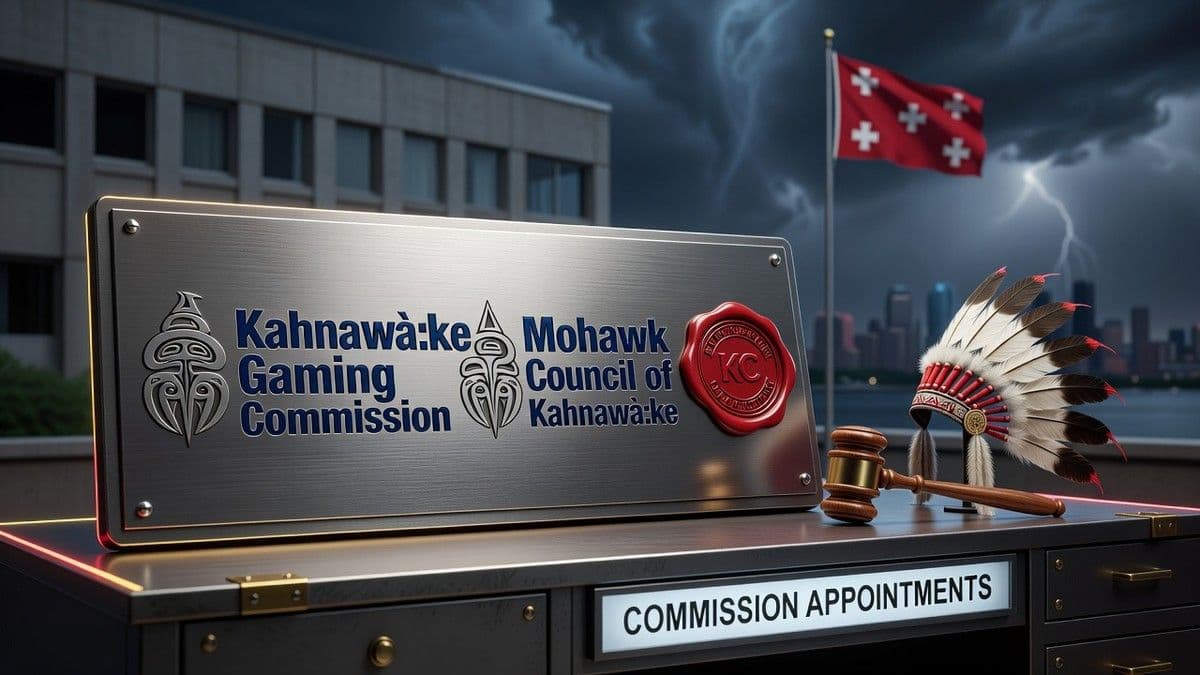
The Indian Gaming Association (IGA) highlighted key industry developments in the United States at the National Tribal Gaming Commissioners and Regulators Conference (NTGCR). Between September 1 and 3, 2026, at the Mystic Lake Casino Hotel in Prior Lake, Minnesota, tribal representatives and regulatory authorities discussed protecting the integrity of gaming regulated by tribal governments and the challenges posed by emerging prediction market platforms.
Tribal Regulation as the Foundation of Indigenous Government Gaming
Opening the general assembly of NTGCR, IGA President David Z. Bean explicitly acknowledged the central role of tribal regulators as the main defense against threats to the integrity of the industry. He stated that the consolidation of the sector is due to "commissions responsible for maintaining integrity, security, and public trust," a capacity born from sustained investment in knowledge, resources, and the exercise of tribal sovereignty since the enactment of the Indian Gaming Regulatory Act.
Bean emphasized that tribal gaming commissions currently encompass professional functions in areas such as licensing, compliance, oversight, technology, auditing, and enforcement. This technical breadth, he argued, demonstrates tribal sovereignty in action, protecting governments, economies, employees, and customers, ensuring the sustainability of native communities.
Update on Federal Policies and Defense Against Prediction Platforms
David Z. Bean and Jason Giles, Executive Director of the IGA, reported on the national strategy to address the growth of prediction market platforms that offer sports betting and other products without complying with pre-existing tribal or state regulatory systems. Bean warned that "these operators seek to evade the laws governing legal gaming under the guise of being new financial products." The concern is not limited to sports betting; there are signs that some operators are exploring products that could resemble traditional casino gaming.
The IGA has opted for a comprehensive response that includes:
- litigation defending the current jurisdictional structure
- advocacy in Congress and with federal agencies
- collaboration with tribal nations, states, commercial entities, and consumer advocacy organizations
- working alongside other concerned organizations regarding unregulated expansion
The Association highlighted recent milestones in federal courts, such as a ruling from the Ninth Circuit Court related to contracts for sporting events, which reinforces its stance that gaming activity cannot escape regulation simply by being labeled a financial contract.
"We are seeing concrete advances, but the dispute remains open. We will continue to push for hearings, legislative measures, and effective enforcement of regulations," declared Bean.
Regulatory Strategies and New Challenges for Tribal Commissions
Bean emphasized the growing role of tribal commissions in overseeing new forms of gambling. Through the IGA-NCAI working group and consultations with tribal governments, the IGA plans to involve the commissions in regulatory strategies concerning prediction markets during the fall of 2026. Options being considered include tribal regulatory notices, cease and desist actions, and other mechanisms foreseen by each tribal nation’s regulatory authority.
"Our sovereignty is stronger when we exercise it. Tribal regulatory institutions must be included in the national discussion about the future of indigenous gaming in the U.S.," Bean emphasized.
Collaboration Between IGA, NTGCR, and Sector Resilience
IGA Executive Director Jason Giles stressed that collaboration between national advocacy organizations, like the IGA, and the tribal regulatory community is essential given the technological acceleration and emergence of new gaming platforms. He argued that the strength of the sector "is supported by tribal governments and strong regulations," and that the IGA’s mission is to reflect and protect sovereign interests at all levels, from Washington D.C. to U.S. courts.
Giles reiterated the need for any entity seeking to operate in tribal gaming to comply with substantive regulatory standards, emphasizing that "innovation should not compromise sovereignty, consumer protection, nor regulatory integrity."
Recognitions and the Historical Role of NTGCR
During the event, Bean congratulated the re-election of Jamie Hummingbird as NTGCR president, highlighting her contribution to strengthening professional standards and cooperation among tribal regulators. NTGCR, founded in the 1990s, aims to promote regulatory quality and consistency, as well as education and information exchange across the indigenous gaming sector.
Bean underscored the shared responsibility between the IGA and NTGCR to defend sovereignty and bolster gaming regulated by tribal governments, reminding, "Tribal nations built this industry. Tribal regulators protect its integrity. When Indian Country works together, our position is stronger."
Frequently Asked Questions
What central topics did the IGA address at the NTGCR conference in 2026?
The Indian Gaming Association updated on federal policy, regulatory challenges regarding prediction platforms, and the strengthening of tribal regulators. IGA leaders emphasized the importance of sovereignty and adaptation to new betting products.
Why are prediction market platforms concerning to tribal regulators?
These operators seek to offer sports betting and similar products without oversight from tribal or state regulatory systems. The IGA believes they attempt to evade existing regulation under the guise of innovative financial products.
What actions does the IGA propose against operators outside tribal regulation?
The national strategy includes litigation, working with Congress, regulatory actions, and coordination with state and federal agencies, as well as consumer advocates. The Association also considers new regulatory measures by tribal commissions this fall.
What is NTGCR's current role in the tribal gaming industry?
NTGCR fosters cooperation, education, and regulatory quality among tribal commissions. It facilitates professional exchange and the consolidation of regulatory standards throughout Indian Country since the 1990s.
Why is collaboration between the IGA and tribal regulators key?
Collaboration ensures that regulatory and legislative advances protect tribal authority and sovereignty, especially against emerging technologies. Jason Giles from the IGA emphasized the importance of maintaining strong alliances in facing these challenges.
Tags
About the author

Miguel Sandoval
Regulatory Affairs Correspondent
Miguel Sandoval tracks gambling legislation, licensing, and regulator enforcement — from Spain's DGOJ and the Latin American authorities to the UKGC, the MGA, and the state-by-state map in North America. The reports answer three questions precisely — what changed, where, and who it affects — with jurisdictions, dates, and penalties cited exactly as published. Operators and compliance officers read Miguel Sandoval to know which rulebook moved before their next meeting.
More from Miguel Sandoval