Illegal Gambling Awareness Week ends with limited regulator participation
IAGR ran Nov 9–13 campaign; few European regulators published materials on IGAW
Key Takeaways
- IAGR designated November 9–13 as Illegal Gambling Awareness Week following its Peru conference.
- The UK Gambling Commission was among the few European regulators to publish IGAW material and linked it to a new government grant targeting offshore operators.
- IAGR commissioned R&R Partners to create a mascot named Sal and launched checkbeforeyouplay.org for consumers to verify licences.
- A Google search for checkbeforeyouplay.org returned 47 results at the time of publication.
Illegal Gambling Awareness Week (IGAW) ran from November 9 to 13 after the International Association of Gambling Regulators (IAGR) announced the initiative at its conference in Peru. The initiative aimed to raise consumer awareness of unlicensed online gambling, but most European regulators provided no public communications during the week. The UK Gambling Commission was among the few to publish materials and linked the awareness drive to a new government grant to press payments providers and suppliers to tackle offshore operators.
What IGAW was and who announced it
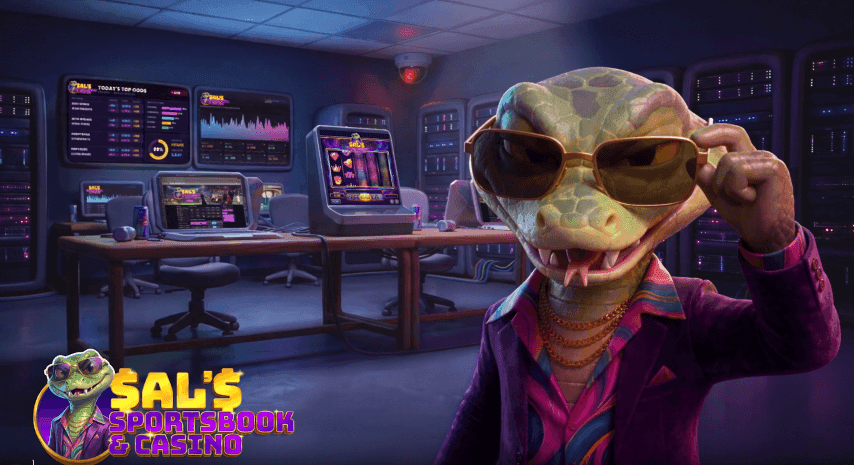
IAGR declared November 9–13 would be Illegal Gambling Awareness Week following its conference in Peru. The association commissioned marketing firm R&R Partners to create a mascot and supporting branding; the campaign’s avatar is a cartoon snake named Sal intended to represent “the fictional face of an illegal gambling operator.” The association also published a consumer-facing tool at the URL checkbeforeyouplay.org that lets users enter a gambling website URL to see whether the site is licensed in their jurisdiction.
“By coordinating our consumer communications, we can help more people understand why local licensing matters and where to find reliable information before they engage with an operator,” said Ben Haden, then president of IAGR and director of research and statistics at the UK Gambling Commission.
IAGR’s CEO Kevin Mullally explained the consumer rationale behind the tool and campaign: "A professional-looking website or a recognisable name can give consumers confidence without knowing whether the site is properly licensed in that location. We want consumers to routinely check the licensing status of a site before opening an account or making a deposit."
Regulator uptake and geographic spread
The UK Gambling Commission was one of the few European regulators to publish information about IGAW on its website or social media, and it combined its mention of IGAW with a statement about using a new government grant to target offshore operators by placing pressure on payments providers and suppliers. Other European regulators produced little or no public material: there were no press releases from regulators in France, Sweden, Denmark or the Netherlands during the week.
Adoption of IGAW messaging was more visible outside Europe. Regulators in Canada and the United States made several social posts that used the Sal branding and directed consumers to the IAGR-run website that lists locally licensed operators. A Google search for the site URL returned 47 results at time of publication.
Industry reaction in the UK
The Betting and Gaming Council (BGC) mentioned Illegal Gambling Awareness Week once on social media platform X to welcome the Gambling Commission’s commitment to intensifying its black-market efforts. The BGC also warned that the UK black market could receive a £500m windfall ahead of the National Hunt season, which runs from October to April. The BGC cited independent analysis by marketing research firm WARC that estimates as much as half a billion pounds could be wagered with black-market operators on those horse-racing events.
The BGC has been more actively engaged with the forthcoming Safer Gambling Week, which starts on November 16 according to the campaign schedule. That initiative has attracted criticism from campaigners who argue Safer Gambling Week functions as industry PR and obscures gambling-related harms. Will Prochaska, head of the Coalition to End Gambling Ads, said the initiative had been "cleverly designed to appear as something kind" and urged UK gambling minister Vicky Foxcroft to disavow it.
Leadership changes at IAGR and next steps
At the Peru conference IAGR elected a new leadership team. Brian Krolicki, a member of the Nevada Gaming Commission and former lieutenant governor of Nevada, replaced Ben Haden as president after Haden’s three years in the role. David Philips, chief operating officer of the Alcohol and Gaming Commission of Ontario, was elected vice president. Krolicki stated that addressing illegal gambling would remain central to IAGR’s agenda and said IAGR needs to assess the campaign’s results in 2027 and increase participation.
The association signalled a willingness to review IGAW’s reach and impact and to refine the approach under the new leadership. Organisers and campaign supporters will evaluate metrics such as website checks via checkbeforeyouplay.org and member-regulator engagement before deciding whether to run the week again in 2027.
Consumer tool and messaging mechanics
checkbeforeyouplay.org displays a green tick when a queried site holds a licence and a red tick with a warning advising users to consult the local regulator’s official list of licensees when no licence is found. The site and the Sal mascot were central to IAGR’s consumer-facing communications during November 9–13, and the campaign assets appeared in regulator posts in Canada and the US.
IAGR framed the campaign around the proposition that online visibility does not equal lawful licensing and encouraged routine licence checks before account opening or deposit activity.
Frequently Asked Questions
When did Illegal Gambling Awareness Week take place?
Illegal Gambling Awareness Week ran from November 9 to 13. IAGR announced the dates at its conference in Peru.
What is checkbeforeyouplay.org and how does it work?
checkbeforeyouplay.org is a consumer-facing tool published by IAGR that allows users to enter a gambling website URL to discover if it is licensed in their jurisdiction. The site displays a green tick when a licence is present and a red tick with a warning advising users to consult the local regulator's official list when no licence is found.
Which regulators publicly supported IGAW during the week?
The UK Gambling Commission publicly published information about IGAW and tied its messaging to a new government grant aimed at offshore operators. Regulators in Canada and the United States used the Sal branding in social posts; regulators in France, Sweden, Denmark and the Netherlands issued no press releases during the week.
Who is Sal and who produced the campaign branding?
Sal is a cartoon snake created as the campaign avatar representing a fictional illegal gambling operator. Marketing firm R&R Partners was commissioned by IAGR to develop Sal and the other branding materials.
Tags
About the author

Eleanor Whitfield
Regulatory Affairs Correspondent
Eleanor Whitfield tracks gambling legislation, licensing decisions, and regulator enforcement across key markets — from the UKGC, MGA, and Germany's GGL to Spain's DGOJ and the state-by-state map in the Americas. The reporting answers three questions precisely: what changed, where, and who it affects, with jurisdictions, effective dates, and penalty figures named exactly as published. Compliance officers and operators read Eleanor Whitfield to know which rulebook moved before their next board meeting.
More from Eleanor Whitfield