Indian Gaming Association Intensifies Push Against Illegal Prediction Markets
IGA Chairman David Z. Bean credits increased Tribal engagement and calls for ongoing action to defend Tribal sovereignty and uphold the Indian Gaming Regulatory Act as challenges to illegal prediction markets escalate in Congress and the courts.
Key Takeaways
- The Indian Gaming Association is escalating legal and legislative action against illegal prediction market gambling in the US.
- Chairman David Z. Bean credits increased Tribal advocacy with shifting the conversation in Congress and blocking favourable legislation for prediction markets.
- IGA insists Tribes should not have to demonstrate major financial loss before regulators address the illegality of prediction market gambling.
- Ongoing coordination with national Tribal advocacy groups and economic studies underpins IGA's multipronged strategy to defend Tribal rights.
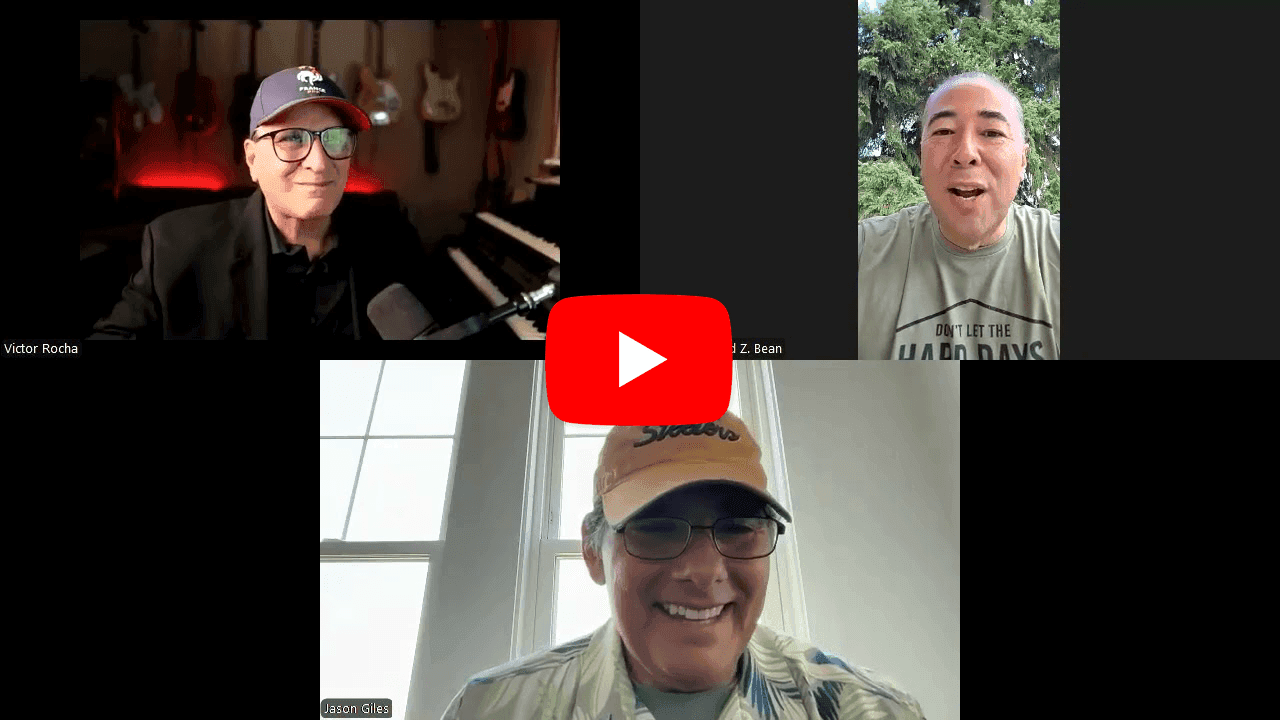
The Indian Gaming Association (IGA) has accelerated its campaign against illegal prediction market gambling, with Chairman David Z. Bean urging ongoing Tribal involvement as the issue advances across legislative and legal fronts in the United States. Bean emphasised during the August 12, 2026 episode of the IGA’s 'The New Normal' podcast that maintaining Tribal sovereignty and the legal framework established by the Indian Gaming Regulatory Act (IGRA) requires continued active advocacy by Tribal leaders in Congress, the courts, and at the state level.
Tribal Advocacy in Congress: The Fight Over Prediction Markets
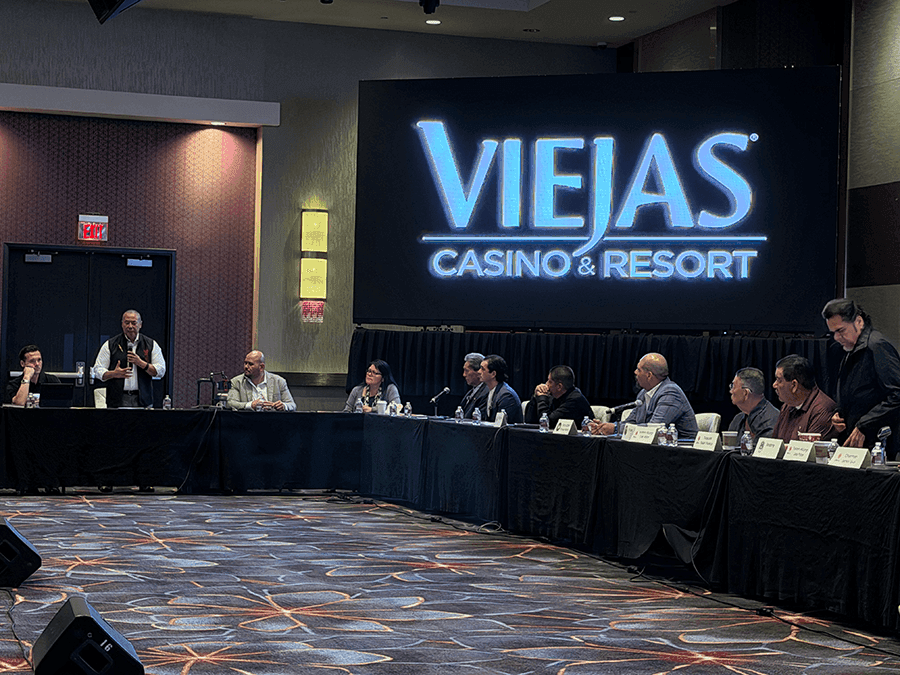
Recent months have seen intensified national efforts by the Indian Gaming Association to oppose what it identifies as illegal gambling via prediction market platforms. Chairman Bean, along with Conference Chairman Victor Rocha and Executive Director Jason Giles, highlighted that growing numbers of Tribal leaders have engaged directly with members of Congress—participating in coordinated Washington, D.C. fly-ins, Capitol Hill lobbying, and the IGA Summer Legislative Summit. These efforts focused on raising awareness of the ways prediction markets, when offering sports wagering and gambling products, threaten Tribal-State compacts, consumer protections, state gaming laws, and the sovereign authority of Tribal Nations to regulate gaming.
Bean credited both veteran and newly-engaged Tribal leaders for these advocacy gains, stating:
“I was really excited to see the number of Tribal leaders get involved, and not just the usual players. I saw a lot of new faces, and that tells me the awareness has spread.”
He noted that increased advocacy is influencing Congressional discussion. Where many lawmakers had little familiarity with prediction markets just months prior, recent weeks of meetings and testimony have shifted the conversation, resulting in greater scrutiny and calls for regulatory review. Notably, a cryptocurrency bill that contained provisions favourable to prediction markets did not reach a Senate vote—a development Bean ascribed to Tribal engagement.
Indian Gaming Regulatory Act and Ongoing Legal Strategies
The Indian Gaming Association underscored that its opposition is not to prediction markets or emerging technologies such as cryptocurrency, but specifically to the unlicensed extension of prediction markets into sports betting and gambling. According to Chairman Bean, these activities contravene the jurisdictional framework established by IGRA, bypassing both Tribal-State compacts and applicable state and federal laws.
Bean was explicit:
“This is about violations of Tribal sovereignty and state sovereignty. This is illegal. This is gambling. We have made that message clear, and it is resonating with Congress.”
IGA is coordinating with the National Congress of American Indians (NCAI) and the Native American Rights Fund (NARF) to address these issues in both legislative arenas and the courts. The Association expects legal actions to continue, involving questions of federal regulatory authority and the scope of Tribal and state rights as regulated by regulation and existing state gaming laws.
Economic Impact and Data Collection Challenges
A recurring theme raised by IGA Executive Director Jason Giles and Conference Chairman Victor Rocha was whether Tribal Nations need to present definitive evidence of financial loss caused by prediction markets to prompt meaningful regulatory action. Some Tribal gaming operators have reported declines in sportsbook revenues, but Bean maintains that Tribes should not be required to suffer or prove substantial monetary losses before illegal gambling activity is addressed. Sports betting remains new or limited in many Tribal gaming jurisdictions, including major states such as California and Oklahoma, making nationwide revenue comparisons inadequate.
IGA and its partners are working to document the economic impact of prediction markets, conducting new research and encouraging Tribal leaders to gather stories and data. An economic study has been commissioned to support advocacy with concrete evidence. Still, Bean cautioned against arguments that require Tribes to demonstrate major losses as a prerequisite for enforcement:
"It shouldn’t be that you have to show that you’re going out of business due to illegal activity for them to stop the illegal activity. It’s illegal."
Mobilisation Strategy: Unity and Direct Advocacy
As the legislative calendar moves toward the autumn election period, IGA’s leadership is preparing to expand advocacy efforts through ongoing engagement in Washington. The Association will leverage NCAI’s Impact Week in September for further Congressional outreach and is partnering with state and regional Tribal organisations to press for regulatory enforcement. Tribal attorneys, advocates, regional bodies, and IGA team members play key roles in these initiatives.
Chairman Bean called for heightened involvement at all levels of Tribal government, stressing that individual voices and stories from Tribal Nations strengthen the national position. IGA will also keep educating Congress about the broader economic and governmental significance of Tribal gaming, noting its reach beyond casino operations to include jobs, communities, and regional economies.
“We have a voice and a vote. So let’s use them,” Bean stated, urging Tribal Nations to maintain pressure locally and nationally.
Coordination and Outlook as Legal and Legislative Processes Continue
IGA’s multipronged approach includes continued legislative advocacy, legal challenges in coordination with NCAI and NARF, economic research on market impact, and mobilisation of Tribal leadership. The Association is also preparing the Sovereignty Defense Fund for potential litigation and regulatory proceedings. As the legal status of prediction markets remains under review by federal courts and regulatory agencies, IGA will persist in defending Tribal sovereignty by ensuring a robust Tribal presence in policy and legal forums.
The issue is positioned to remain at the forefront as Congress returns from recess and the 2026 election cycle intensifies. Chairman Bean closed by affirming that the Indian Gaming Association will maintain its efforts, advocating for Tribal rights in the face of evolving illegal gambling markets.
Frequently Asked Questions
What is the Indian Gaming Association's stance on prediction markets?
The Indian Gaming Association opposes prediction markets that offer sports betting and gambling products outside the regulatory framework established by the Indian Gaming Regulatory Act and Tribal-State compacts. Chairman David Z. Bean stated these activities are illegal and undermine Tribal sovereignty.
How has increased Tribal advocacy affected Congressional action?
Increased Tribal advocacy has led to greater scrutiny of prediction markets in Congress and contributed to preventing a cryptocurrency bill, which favoured prediction markets, from reaching a Senate vote. Tribal leaders' direct engagement has expanded awareness among lawmakers.
Is there a requirement for Tribes to prove financial loss from prediction markets?
IGA maintains that Tribes should not be required to demonstrate significant revenue declines before illegal prediction market activity is addressed by regulators. Chairman Bean argued that legality—not the scale of monetary loss—should drive enforcement.
What strategies is IGA using to address illegal prediction markets?
IGA is pursuing a dual strategy of legislative advocacy in Congress and legal action in partnership with groups like NCAI and NARF. The Association also collects economic data and mobilizes Tribal leadership for outreach and testimony.
Which states are most impacted by the current debate over Tribal sports betting?
Major Tribal gaming states such as California and Oklahoma currently lack Tribal sports wagering, which complicates assessments of revenue losses and impact from prediction markets. In many other states, sports betting forms only a small part of overall Tribal gaming revenue.
Tags
About the author

Eleanor Whitfield
Regulatory Affairs Correspondent
Eleanor Whitfield tracks gambling legislation, licensing decisions, and regulator enforcement across key markets — from the UKGC, MGA, and Germany's GGL to Spain's DGOJ and the state-by-state map in the Americas. The reporting answers three questions precisely: what changed, where, and who it affects, with jurisdictions, effective dates, and penalty figures named exactly as published. Compliance officers and operators read Eleanor Whitfield to know which rulebook moved before their next board meeting.
More from Eleanor Whitfield