Indian Gaming Association Strengthens Its Team and Advocacy in California
The Indian Gaming Association forged ties with California tribal nations, addressing organizational agenda, emerging legal challenges, and the defense of tribal sovereignty in 2027.
Key Takeaways
- The IGA forged ties with California tribal nations and updated its organizational and legislative priorities.
- The association will incorporate new experts and staff to prepare its legislative action for 2027.
- The IGA leads the defense against prediction markets offering sports betting and casino games.
- New amicus briefs in federal and state litigations seek to protect the regulatory framework of tribal gaming.
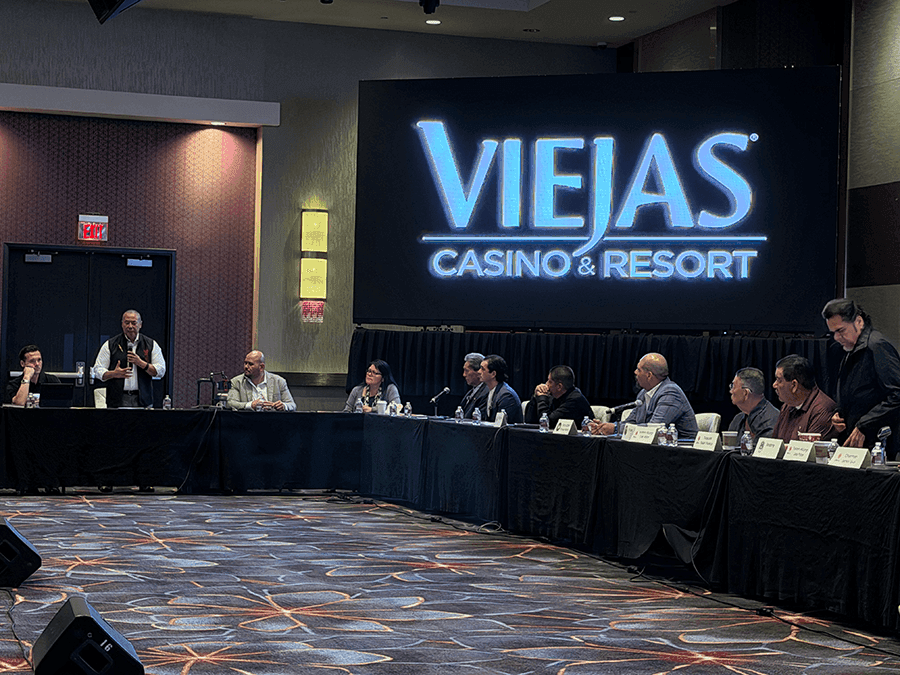
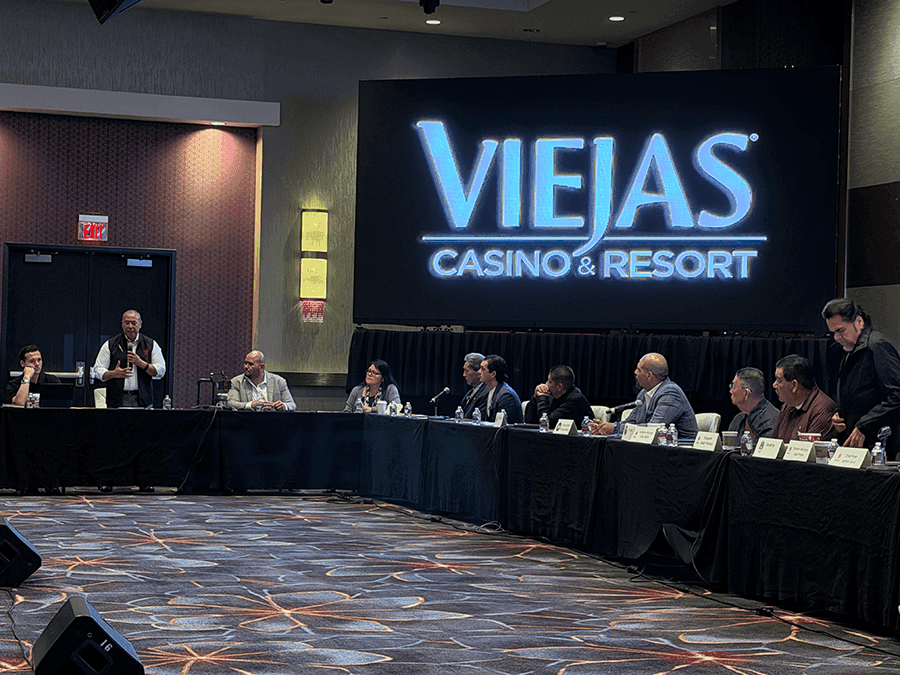
The Indian Gaming Association (IGA) intensified its institutional work and national legislative advocacy with a series of in-person meetings in California during the week of August 20, 2026. The board, led by President David Z. Bean, met with tribal leaders to update their organizational priorities, legislative initiatives, and legal efforts in protection of tribal sovereignty and the tribal gaming sector.
Active Defense of the IGA Against Regulatory Threats
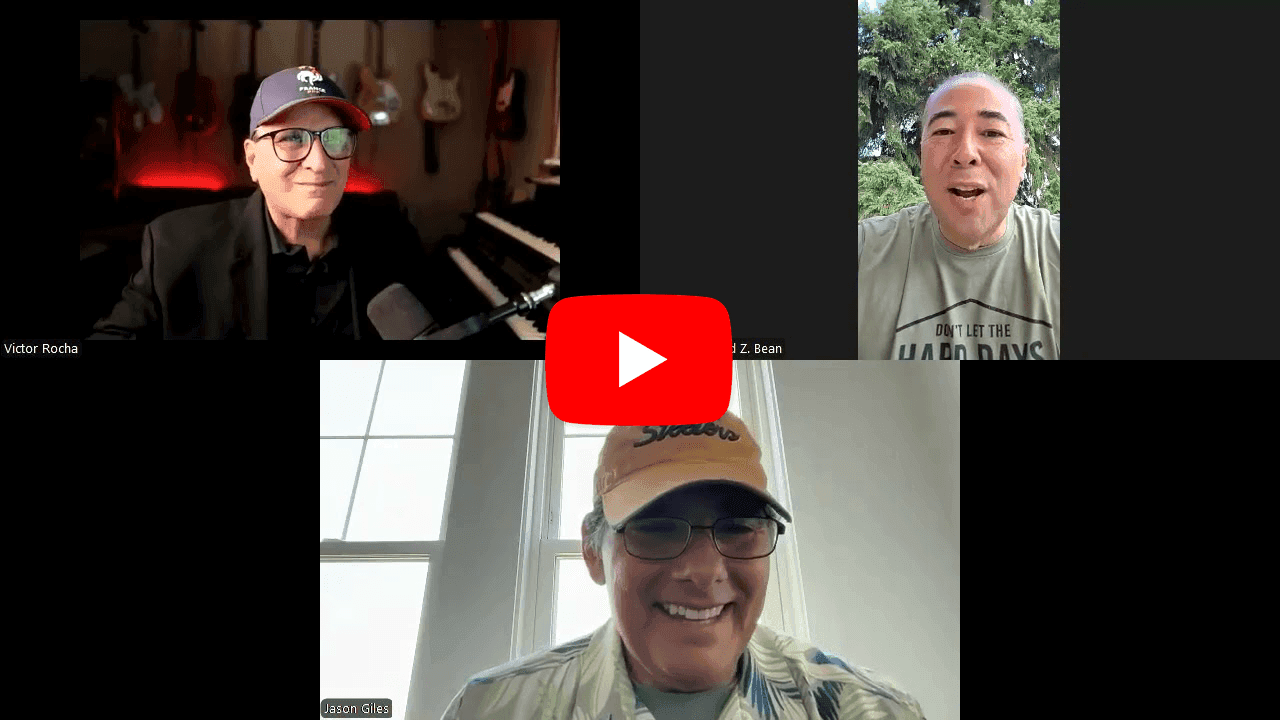
The IGA first met with the Yuhaaviatam of San Manuel Nation Tribal Council in San Bernardino, California. President Bean, accompanied by Tribal Chairwoman Lynn Valbuena and council members, thanked the Nation for its continued leadership and support of the association. Jason Giles, IGA Executive Director, and Reid Milanovich, former President of the Agua Caliente Band of Cahuilla Indians and new consultant focused on legislative and regulatory affairs, accompanied Bean.
Milanovich's experience and his previous work with the California Congressional delegation enhance the IGA's defense capacity for tribal gaming, expanding its reach with federal and state actors. According to Bean, California's involvement has been decisive in protecting tribal sovereignty:
"The tribal nations of California have always played a crucial role in defending tribal sovereignty and in strengthening indigenous gaming. The IGA must be here, listening, communicating, and collaborating directly with our member tribes," stated Bean.
Strengthening the Team and Organizational Priorities for 2027
One of the central points was the strategy to strengthen the IGA team and prepare for challenges in the coming years. The IGA will incorporate PaaWee Rivera, former White House Indian Affairs official and citizen of the Pueblo of Pojoaque, to boost tribal membership and increase participation in the annual convention. The organization currently has 120 affiliated tribes and seeks to add more gaming nations to the national front.
The association will also increase staffing at its Washington, D.C. headquarters, adding administrative support and legislative affairs experts. The goal is to have a capable team to effectively operate in the new legislative cycle starting in 2027. Bean emphasized:
"Our responsibility is not just to respond to current issues. We must build an organization that anticipates what is coming, whether it be prediction markets, artificial intelligence, energy policy, or any changes affecting tribal gaming and sovereignty. That requires a strong team with a clear purpose."
The IGA also plans to diversify its annual convention with opportunities for businesses and emerging tribal sectors, including agribusiness, food sovereignty, and renewable energy.
Legislative Defense on Prediction Markets and Sports Betting
The IGA's legislative agenda included detailed reports on federal defense against so-called prediction markets offering sports and casino betting. IGA members participated in roundtables at the House Agriculture Committee and the Senate Indian Affairs Committee, expressing concerns about the impact of these markets on tribal gaming, consumer protection, and the sovereignty of nations.
A priority is to push legislation that prohibits the offering of sports betting and casino games through these platforms. The IGA-NCAI Task Force continues to coordinate efforts and share information among tribes across the country in preparation for the decisive autumn legislative session. Bean noted the progress:
"This issue began when indigenous nations alerted that prediction markets were directly encroaching on regulated gaming," Bean noted. "Today, more lawmakers are asking the same questions and recognizing that sports and casino betting cannot simply be redefined to circumvent laws protecting tribal and regulated gaming."
Legal Update: Federal and State Litigations
The IGA briefed California tribal leaders on key legal developments regarding these prediction markets. In collaboration with the National Congress of American Indians (NCAI), amicus briefs are being prepared in federal litigations, closely coordinating with attorney Michael Hoenig and the Native American Rights Fund’s Supreme Court Project. They are working on an amicus brief to bolster New Jersey's petition before the U.S. Supreme Court.
Courts in New York, Connecticut, and Nevada have issued rulings questioning the prediction markets' arguments regarding the jurisdiction of the Commodity Futures Trading Commission (CFTC) over sports betting, challenging their categorization as "swaps" under federal regulation.
Bean summarized the legal significance: "These legal cases address whether federal commodities law can be used to circumvent tribal-state agreements, the Indian Gaming Regulatory Act, and the existing framework governing this sector."
Direct Engagement and Next Steps for the IGA
The meetings held in California and communication with members demonstrate the IGA's ongoing commitment to keeping tribes informed. Bean reiterated that the association exists to serve its members and that direct interaction with tribal nations is essential to face legislative and legal challenges ahead of the new Congress in 2027.
The IGA will continue its national outreach in the coming weeks, holding meetings with tribal leaders and sector organizations in preparation for the autumn legislative period and the start of a new congressional term.
Frequently Asked Questions
What issues did the Indian Gaming Association address during its visit to California?
The IGA focused on strengthening its team, reinforcing legislative and legal advocacy, and informing tribal nations about regulatory and organizational challenges affecting the indigenous gaming sector, especially against new threats such as prediction markets.
What organizational changes will the IGA implement for 2027?
The IGA will expand its staff in Washington, D.C., incorporating PaaWee Rivera and more legislative affairs specialists, to consolidate its advocacy capacity before the new Congress that begins in 2027.
Why are prediction markets critical for tribes?
Prediction markets offer sports and casino betting that may interfere with tribal jurisdiction, jeopardizing sovereignty and the regulatory framework of the Indian Gaming Regulatory Act as expressed by the IGA in Congress and the courts.
What legal actions is the IGA taking regarding prediction markets?
The IGA, along with the NCAI, is working on amicus briefs and coordinating legal defense in federal and state litigations to prevent federal commodities regulation from supplanting tribal-state agreements and specific indigenous gaming legislation.
What role has California played in the IGA's strategy?
California has been key in defending tribal sovereignty and consolidating the sector; the IGA highlighted its partnership with California tribes during meetings held in 2026, including its active participation in legislative and legal agendas.
Tags
About the author

Miguel Sandoval
Regulatory Affairs Correspondent
Miguel Sandoval tracks gambling legislation, licensing, and regulator enforcement — from Spain's DGOJ and the Latin American authorities to the UKGC, the MGA, and the state-by-state map in North America. The reports answer three questions precisely — what changed, where, and who it affects — with jurisdictions, dates, and penalties cited exactly as published. Operators and compliance officers read Miguel Sandoval to know which rulebook moved before their next meeting.
More from Miguel Sandoval