Regulatory Landscape of iGaming in East Asia
The Chief Growth Officer of iGaming NDA discusses emerging regulatory challenges in the Philippines, growth in the UAE, market correction in the Philippines, and the operators' role in advertising and competition.
Key Takeaways
- La volatilidad regulatoria prevalece en los mercados de iGaming del Asia Oriental y sur de Asia.
- Filipinas enfrenta una posible prohibición publicitaria, actualmente en fase de propuesta legislativa.
- EAU mantiene el optimismo en torno a grandes proyectos como Wynn Al Marjan Island Resort pese a dificultades turísticas.
- Macao distribuye cualquier cuota de mercado liberada entre operadores existentes, sin nuevas licencias.
- Los foros internacionales como SBC Summit ayudan a anticipar desafíos y compartir soluciones regulatorias.
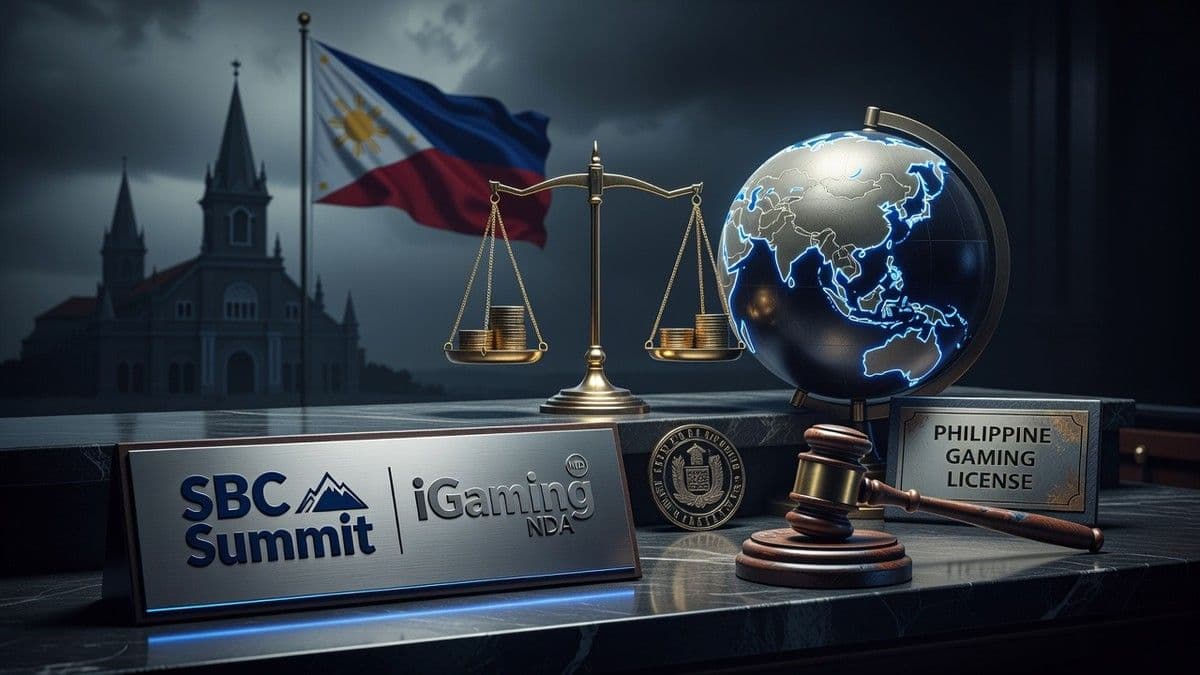
Regulatory structures in East Asia are becoming more complex even as opportunities for the iGaming sector are growing. This dynamic will be addressed at the SBC Summit in Lisbon, where Japneet Sethi, Chief Growth Officer – South Asia of iGaming NDA, will share his analysis on the current context and challenges in the region.
Increasing Scrutiny and Regulatory Volatility in East Asia
Japneet Sethi emphasizes that the conflict in the Middle East has not directly affected the iGaming industry in South Asia. Rather, regulatory pressure has increased in recent years, leading jurisdictions in South Asia to either regulate or completely prohibit online gambling. This has reinforced the importance of operations and compliance departments within operators in the region, elevating the role of Chief Operating Officers (COOs) and Chief Compliance Officers (CCOs) in an increasingly demanding environment.
Volatility characterizes most iGaming markets in the region, partly due to the nature of the business and the political climate. "Operations and compliance have become the most relevant areas for operators in the sector," Sethi states.
Strategies in Response to Rising Costs and Geopolitical Factors
Sethi holds that for investors in East Asia and adjacent regions, the key is to maximize rationality and efficiency in resource use. Before entering or expanding investments in the sector, he recommends conducting thorough due diligence on both the financial model and the political environment to mitigate potential risks and losses.
The Case of the United Arab Emirates: Optimism Amidst Tourist Uncertainty
The United Arab Emirates (UAE) has attracted optimism with its recent opening to the sector. However, the downturn in tourism has impacted business sentiment at a crucial time for strategic projects such as Wynn Al Marjan Island Resort. Sethi acknowledges that confidence has been affected but believes that the UAE's reputation and the scale of projects like Wynn reinforce the perception of future opportunity. Expectations point to a strong recovery in tourism as the situation stabilizes, an aspect to be monitored by both physical and digital operators.
Regulatory Challenges and Possible Advertising Ban in the Philippines
In the Philippine market, the possibility of a total advertising ban is a real concern. Sethi indicates that the bill is still in proposal phase and must pass both legislative chambers before it can become law through presidential signature. If the ban is enacted, operators would lose access to the most common marketing channels, transforming the competitive landscape. Although Sethi considers a total ban unlikely, he acknowledges that even a low probability presents a high risk given the political-regulatory volatility in the Philippines.
"For the Philippine market, the bill still needs to pass both chambers of Congress. If approved and signed by the president, the environment would become much more complicated for operators." — Japneet Sethi
Expansion of Physical Casinos to the Online Sector in the Philippines
Several traditional casinos have opted to expand into online operations despite the adjustments faced by the market. For Sethi, this decision is logical in regulated contexts as it offers players product integrations and the possibility of cross-channel loyalty programs between physical and digital venues. He notes that current figures reflect a "market correction" rather than a crisis and anticipates that the sector will tend to stabilize in the short term.
Macau: Post-World Cup Adjustments and Competition Limits
Sethi's analysis of Macau highlights a temporary decline in Gross Gaming Revenue (GGR) during the World Cup, a common phenomenon when player interest shifts to sports betting. Following the conclusion of the tournament, Macau began to regain momentum, with an expected improvement between August and September. Regarding new licenses, current local legislation prevents the entry of new operators, redistributing any freed market share among existing operators.
"It is not so much a challenge as a stress test; current legislation in Macau prevents new entrants and redistributes the market among existing participants." — Japneet Sethi
The Role of Global Debates in iGaming Regulation
Sethi underscores the value of meetings such as the SBC Summit in Lisbon, which bring together executives and investors from both the iGaming sector and other industries. These forums promote the exchange of experiences and analysis of solutions to emerging regulatory challenges, helping shape the future of the sector. Sethi expresses a specific interest in learning about newly regulated and emerging markets to anticipate changes in the Asian and global environments.
For product and compliance executives, monitoring these debates and legislative advancements in the Philippines, Macau, and the UAE is key to adjusting marketing, expansion, and human resource strategies in an environment where regulatory frameworks can change rapidly.
Frequently Asked Questions
¿Qué riesgo existe de una prohibición publicitaria total en Filipinas?
El riesgo de una prohibición publicitaria total en Filipinas depende de un proyecto legislativo aún en trámite. Si se aprueba y es firmado por el presidente, los operadores perderían la mayoría de los canales de marketing habituales.
¿Por qué los casinos presenciales filipinos expanden su oferta al canal online?
La integración de producto y programas de fidelización hacen atractiva la transición hacia el canal online para casinos presenciales en mercados regulados, especialmente cuando el sector experimenta ajustes en la demanda.
¿Cómo afecta la ausencia de nuevas licencias el mercado de Macao?
En Macao, las regulaciones actuales bloquean la entrada de nuevos operadores; cualquier cuota de mercado liberada se reparte exclusivamente entre los actores establecidos bajo la ley vigente.
¿Qué papel tienen los eventos como SBC Summit en la industria del iGaming?
Los eventos como SBC Summit facilitan diálogo y análisis entre ejecutivos, inversores y expertos, permitiendo identificar soluciones ante desafíos regulatorios y anticipar tendencias en mercados emergentes.
¿Qué impacto han tenido los conflictos en Oriente Medio sobre la industria de iGaming del sur de Asia?
No se ha detectado un efecto directo del conflicto en Oriente Medio; el aumento del escrutinio regulatorio es el factor dominante para la operación y el cumplimiento en estos mercados.
Tags
About the author

Miguel Sandoval
Regulatory Affairs Correspondent
Miguel Sandoval tracks gambling legislation, licensing, and regulator enforcement — from Spain's DGOJ and the Latin American authorities to the UKGC, the MGA, and the state-by-state map in North America. The reports answer three questions precisely — what changed, where, and who it affects — with jurisdictions, dates, and penalties cited exactly as published. Operators and compliance officers read Miguel Sandoval to know which rulebook moved before their next meeting.
More from Miguel Sandoval