Responsible Gaming and LTV: How to Increase Long-Term Value
Implementing responsible gaming strategies can extend player engagement and improve their lifetime value.
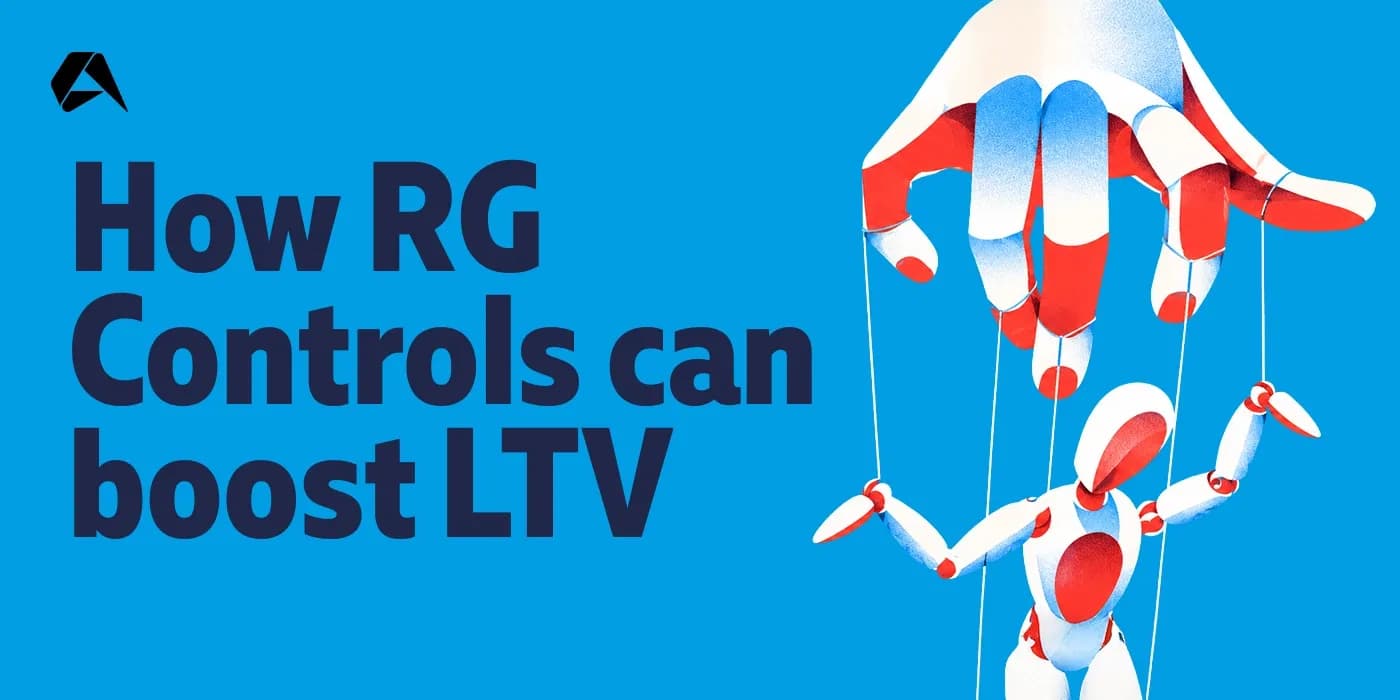
Responsible gaming is often viewed as a regulatory requirement that limits revenue growth. However, when applied with the right strategic intent, these tools can enhance player behavior, prolong their engagement, and increase long-term value.
Responsible Gaming Strategies
In the iGaming operation, the value of players is generally measured by how much and how quickly they spend. Although these indicators may seem like growth, they may not be sustainable in the long term. Many of the most active players are not consistent, and their behavior is often volatile. This leads to short-term revenues, but often little long-term contribution.
Operators familiar with these dynamics know that, in many cases, the drop in engagement can be related to interventions or simply to burnout. These situations create a type of value that is difficult to sustain. The crucial question is: if short-term spending does not define value, what does?
Factors Driving Lifetime Value
Understanding lifetime value involves looking beyond intense activity. It is built over time with repeating behavior patterns. Players who contribute the most are not necessarily the ones who spend the most in a single session but those who return consistently and engage for longer periods.
The consistency of player behavior extends their lifecycle. A player who deposits small amounts over several sessions across months will generate more value than one who spends heavily in a short time and then disappears. Ultimately, the predictability of these patterns allows operators to adjust engagement strategies and anticipate future activities.
Controlling Player Behavior
Responsible gaming encompasses limits such as deposit caps and session reminders. However, its importance lies in how it influences the pace of play. Timely intervention can regulate behavior before it becomes unsustainable. The goal is to regulate activity, not reduce it, to foster sustainable long-term values.
Not all players act the same way, and operator responses must adapt to individual patterns. Using data to guide interventions makes responsible gaming an integral part of sustainable growth.
Practical Advantages of Responsible Gaming
Modern iGaming platforms already have responsible gaming tools available. The key is how they are used to strengthen long-term relationships with players. Interventions based on fixed thresholds may occur too early or too late, failing in terms of timely alignment with player behavior.
Moreover, the management of responsible gaming is often treated separately from CRM and product strategies, making it challenging to align interventions with sustained engagement goals. To transform responsible gaming into a growth strategy, it is essential for operators to integrate these controls into the management of the player lifecycle.
Conclusion: Towards Sustainable Growth
Responsible gaming should not be limited to a compliance function but be part of the player value creation process. Operators who adopt a behavior-driven approach will see how these measures translate into real platform decisions.
For those reviewing their current setup or planning for the future, Altenar offers product demonstrations to align responsible gaming with long-term growth.
Differences in Approach
- Standard Behavior: Reactive, based on fixed thresholds
- More Effective Approach: Guides behaviors with personalized intervention patterns
This shift from reactive control to behavior guidance means interventions align with the evolution of player activity. Personalizing controls based on individual patterns fosters balanced engagement, maintaining activity at a sustainable pace. This is where responsible gaming transcends its regulatory role to become an essential part of a sustainable growth strategy.
Tags
About the author

Miguel Sandoval
Regulatory Affairs Correspondent
Miguel Sandoval tracks gambling legislation, licensing, and regulator enforcement — from Spain's DGOJ and the Latin American authorities to the UKGC, the MGA, and the state-by-state map in North America. The reports answer three questions precisely — what changed, where, and who it affects — with jurisdictions, dates, and penalties cited exactly as published. Operators and compliance officers read Miguel Sandoval to know which rulebook moved before their next meeting.
More from Miguel Sandoval