Responsible Gaming: Enhancing Player Lifetime Value Through Strategic Engagement
Strategic responsible gaming can increase player lifetime value by fostering sustainable engagement rather than pursuing high immediate spend.
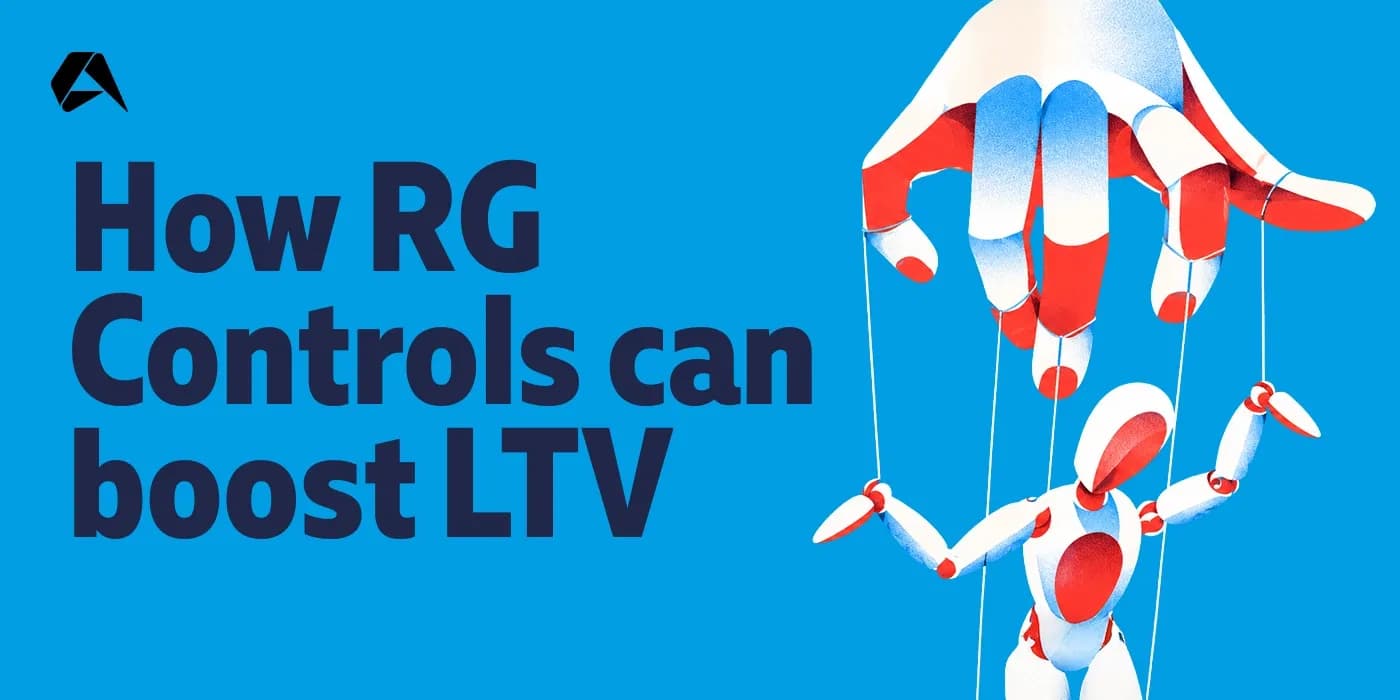
Responsible gaming, often seen as a regulatory obligation, can in fact be a strategic tool to enhance player lifetime value (LTV) by fostering sustainable engagement. By applying responsible gaming measures strategically, operators can extend player lifecycles and ensure more consistent revenue streams.
Understanding Player Lifetime Value
Lifetime value shouldn't be solely linked to a player's immediate spending patterns. Players contributing most to LTV aren't those making large, erratic deposits but those with steady and consistent engagement. Predictable behaviors allow operators to effectively manage and align offers with player activity, leading to sustainable growth.
Contrary to common perceptions, focusing on long-term participation rather than short-term spikes in activity ultimately leads to a more durable value chain, fostering long-term relationships and revenue.
The Role of Responsible Gaming
Responsible gaming tools include deposit caps, session reminders, and cooling-off periods. These elements do more than mitigate risk; they strategically influence player behavior over time. Applied correctly, these measures can prevent rapid increases in activity that are unsustainable, guiding players toward longer-term, consistent engagement.
Key interventions, such as well-timed reminders or pauses in activity, can shift player focus from immediate gains to sustained enjoyment, thereby helping to maintain a balanced gameplay environment.
Turning Strategy into Practice
In practice, operators need to integrate responsible gaming with customer relationship management (CRM) and product strategies, treating it as part of the player lifecycle management. Timing and contextual application of interventions are crucial. Intervening too early or too late can disrupt engagement; accurate timing supports engaged, long-term play.
Operators should replace static thresholds with dynamic, behavioral-led models to tailor interventions. Personalized limits and contextual messaging help maintain player trust and cooperation, aligning responsible gaming with broader business strategies.
Moving Towards Sustainable Engagement
By integrating responsible gaming into overall platform strategies rather than keeping it siloed as a compliance function, operators can create a stable player base less sensitive to market fluctuations. This shift from reactive controls to a proactive strategic approach enables better management of player behavior over time.
For example, using player data to detect early signs of escalating deposits allows earlier interventions, preventing abrupt disengagement. Similarly, bespoke communications rather than generic messages can foster better player retention and engagement.
Conclusion
Responsible gaming isn't about limiting a player's activity but about guiding it towards a sustainable model that benefits both the players and the operators. By viewing responsible gaming as integral to the player experience, operators can enhance LTV, ensuring consistent performance rather than volatile spikes. When aligned with the right CRM and product strategies, these efforts support a long-term growth model that transcends immediate revenue goals.
In the evolving iGaming landscape, the next step is for operators to evaluate their current strategies and ensure responsible gaming measures are applied with intent and precision. This approach results not only in regulatory compliance but also in enhanced player retention and sustainable revenue.
Tags
About the author

Eleanor Whitfield
Regulatory Affairs Correspondent
Eleanor Whitfield tracks gambling legislation, licensing decisions, and regulator enforcement across key markets — from the UKGC, MGA, and Germany's GGL to Spain's DGOJ and the state-by-state map in the Americas. The reporting answers three questions precisely: what changed, where, and who it affects, with jurisdictions, effective dates, and penalty figures named exactly as published. Compliance officers and operators read Eleanor Whitfield to know which rulebook moved before their next board meeting.
More from Eleanor Whitfield