Sarah Gardner Discusses Leadership Challenges at Gambling Commission
Sarah Gardner reflects on nearly 17 years at the UK Gambling Commission, emphasizing regulatory balance and leadership shifts.
Key Takeaways
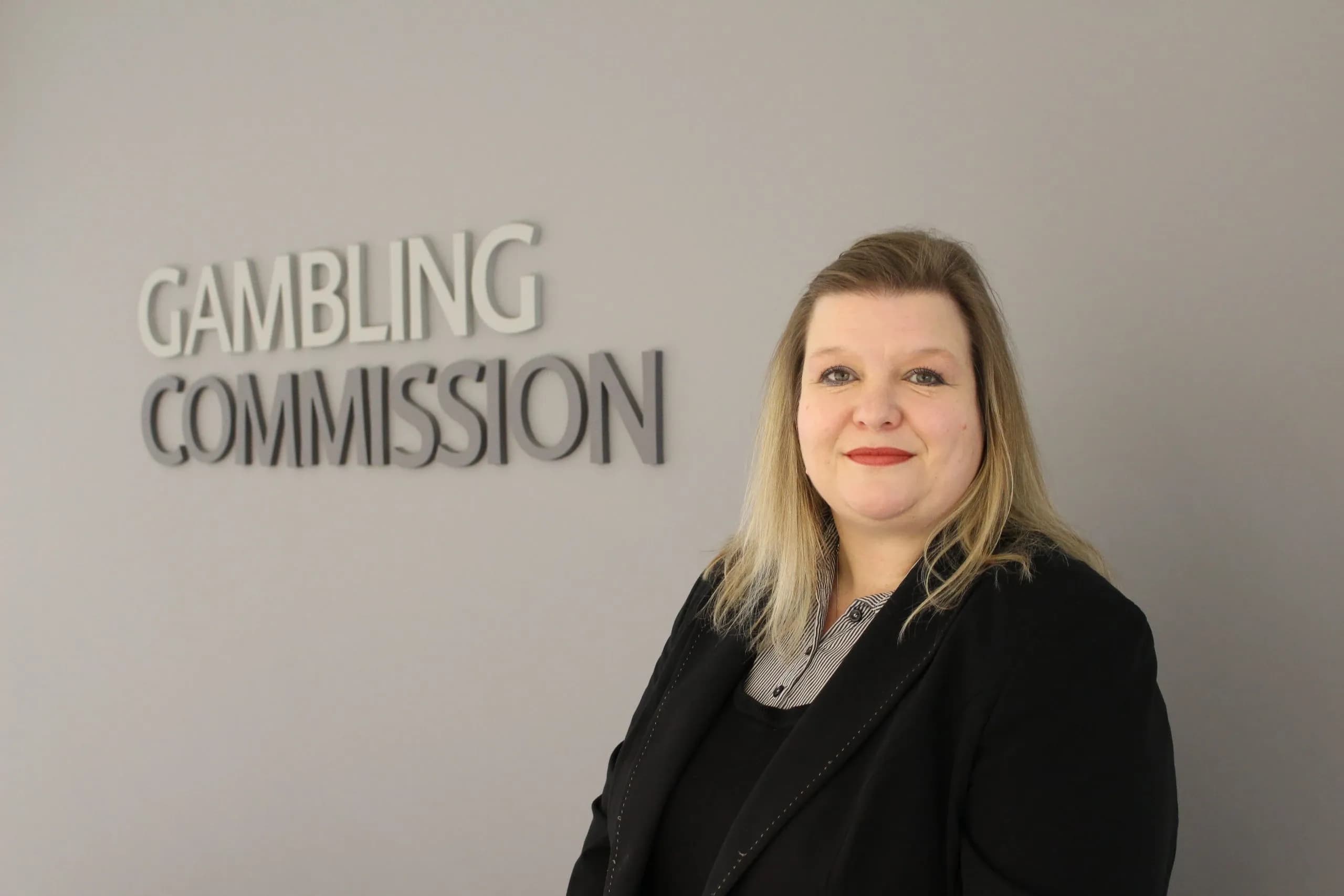
- Sarah Gardner has nearly 17 years at the UK Gambling Commission, now serving as interim CEO.
- The Gambling Commission is undergoing leadership changes with several senior exits and appointments.
- Affordability checks remain a contentious issue, with a phased implementation approach ongoing.
Sarah Gardner has dedicated almost 17 years to the UK Gambling Commission, holding various significant roles that highlight her commitment to regulatory challenges in the gambling sector. Currently serving as interim CEO following Andrew Rhodes's departure in February, Gardner discusses what has kept her at the Commission. She mentions the sector's intrigue: "From a regulatory standpoint, striking the right balance between enjoyment and protection is key," she stated.
Leadership Transitions and Roles
Gardner steps into her interim CEO role against a backdrop of leadership changes at the Commission. Andrew Rhodes exited his position earlier in the year, marking a period of transition. Tim Miller, the director of policy, announced his departure in June, ending a decade-long tenure. His responsibilities will partially transition to Sarah Fox from the Department for Digital, Culture, Media and Sport in September. These changes signal a reshuffle within the Commission's senior leadership.
An Insight into Gardner's Journey
Gardner humorously describes herself as a "Gambling Commission lifer," attributing her long tenure to the ever-evolving challenges within the sector. "The Commission's difficult to leave. Gambling regulation is utterly seductive," she remarks. Her focus is increasingly on fostering creativity within regulatory approaches, moving beyond blunt instruments to nuanced strategies.
Balancing Act in Regulation
Gardner acknowledges the difficulties inherent in regulation, especially when facing backlash from updates to the white paper and the Gambling Act 2005 review. "Regulation can be thankless," she admits, noting the criticism from various industry sides. Whether it's affordability checks or financial risk assessments, Gardner highlights the importance of nuanced policies to protect consumers without undue intrusion.
Controversies and New Approaches
Affordability checks, known as financial risk assessments, remain a flashpoint. A 2025 pilot program targeted high-spending players, prompting some criticism. The Commission delayed updates on this, later implementing them in a phased approach. "Our focus on financial risk assessments seeks a balance between enjoyment and protection," explains Gardner, emphasizing targeted support over mass document requests.
Future Directions and Challenges
The Gambling Commission continues to face a challenging landscape of regulatory obstacles and leadership changes. Gardner remains committed to refining regulatory approaches that ensure both consumer protection and sector growth, underscoring the ongoing evolution of gambling regulation in the UK.
Frequently Asked Questions
Who is Sarah Gardner at the Gambling Commission?
Sarah Gardner is a long-serving member of the UK Gambling Commission and is currently the interim CEO following Andrew Rhodes's departure.
What challenges has the Gambling Commission faced recently?
The Commission has experienced leadership changes and controversy over policies like affordability checks, requiring careful regulatory balance.
How is the Commission handling affordability checks?
The Commission is implementing a phased approach to affordability checks, targeting high-spending players while aiming to protect consumers with minimal intrusion.
Tags
About the author

Eleanor Whitfield
Regulatory Affairs Correspondent
Eleanor Whitfield tracks gambling legislation, licensing decisions, and regulator enforcement across key markets — from the UKGC, MGA, and Germany's GGL to Spain's DGOJ and the state-by-state map in the Americas. The reporting answers three questions precisely: what changed, where, and who it affects, with jurisdictions, effective dates, and penalty figures named exactly as published. Compliance officers and operators read Eleanor Whitfield to know which rulebook moved before their next board meeting.
More from Eleanor Whitfield