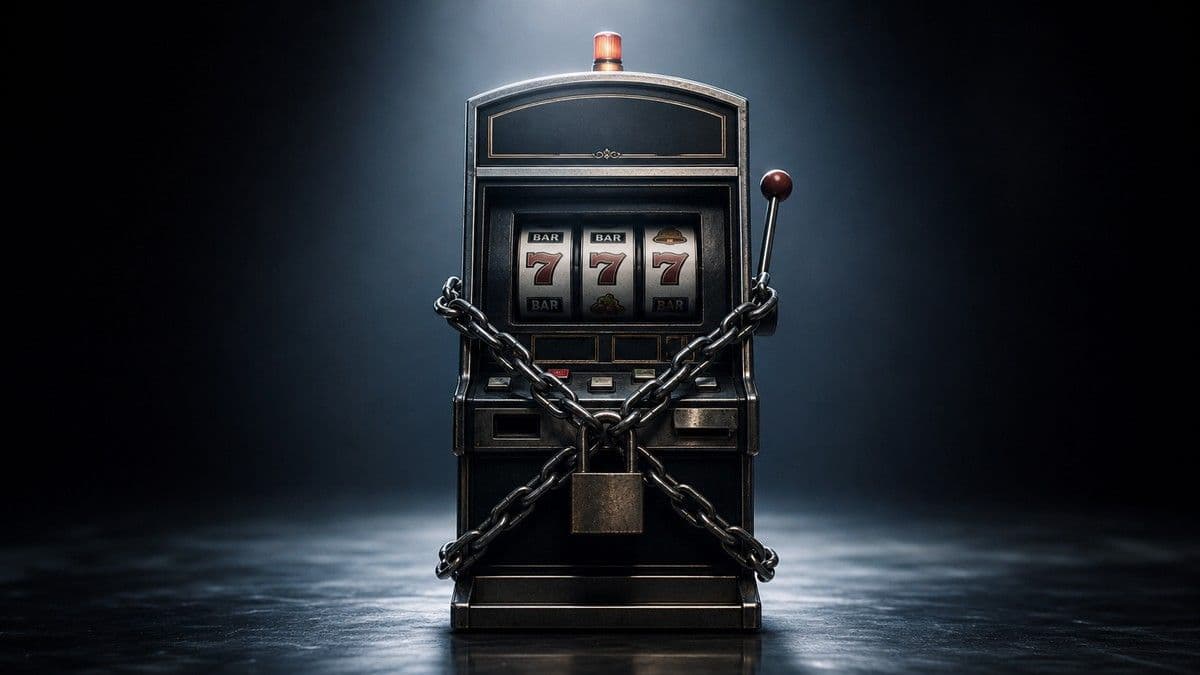
Spelinspektionen bans Lufilight Ltd from operating in Sweden without a licence
Regulator issued the ban on 30 October 2026 for unauthorised operations in Sweden

Key Takeaways
- Spelinspektionen issued a formal ban on 30 October 2026 preventing Lufilight Ltd from offering gambling services in Sweden for operating without a Swedish licence.
- The regulator cited absence of responsible-gambling tools, self-exclusion and dispute-resolution mechanisms on unauthorised platforms as key risks.
- Spelinspektionen aims to channel player activity exclusively to licensed operators and uses administrative bans when it detects targeting of Swedish residents.
- The authority publishes legal reasoning and investigative findings for each prohibition to deter unauthorised operators and inform stakeholders.
Spelinspektionen issued a formal ban on 30 October 2026 preventing Lufilight Ltd from offering gambling and betting services directed at the Swedish market because the company operates without the required Swedish licence. The regulator said the measure responds to the lack of local authorisation needed to provide gambling services in Sweden.
Reason for the ban
The supervisory action is based on Lufilight Ltd not holding a valid Swedish gambling licence. Spelinspektionen noted that unauthorised platforms frequently lack responsible gambling tools, self-exclusion integrations and transparent dispute-resolution mechanisms, increasing risks for players.
Priority on channeling and consumer protection
Spelinspektionen stated that its work focuses on ensuring player activity is channelled exclusively to operators with a Swedish licence. The regulator uses supervisory measures to identify entities targeting Swedish residents through local language options, currency support or unauthorised promotional campaigns. When it detects breaches, the authority deploys rapid administrative bans to restrict market access.
Transparency in enforcement
The authority maintains a public disclosure framework: Spelinspektionen publishes on its website the legal reasoning, investigative findings and factual bases behind each prohibition order against illegal online gambling. According to the regulator, this documentation aims to deter other unauthorised operators and provide visibility to stakeholders and international regulators.
Regional context
Spelinspektionen placed the measure against Lufilight Ltd in the context of growing regulatory scrutiny across several European jurisdictions of cross-border operations without licences. The authority said its decision reflects the commitment of Nordic regulators to regulatory compliance and consumer protection standards.
The news was first reported by Gamblers Connect on 30 October 2026. For details on the regulatory framework and supervisory comparisons, consult the [regulation](/regulation) section of the site.
Frequently Asked Questions
Why did Spelinspektionen ban Lufilight Ltd?
Spelinspektionen banned Lufilight Ltd because the company operates without the licence required to offer gambling services in Sweden. The authority specified that lacking local authorisation implies absence of responsible-gambling tools and dispute-resolution mechanisms.
When was the ban against Lufilight Ltd issued?
The formal ban was issued on 30 October 2026. Gamblers Connect published the news the same day, citing Spelinspektionen’s communication.
What does Spelinspektionen publish about its prohibition decisions?
Spelinspektionen publishes on its website the legal reasons, investigative findings and factual bases behind each prohibition order. The disclosure is intended to provide visibility to stakeholders and deter unauthorised operators.
What signals does the regulator use to identify unauthorised operators?
The regulator identifies entities that target Swedish residents through local-language options, currency support or unauthorised promotional campaigns. When it detects these signals, it applies supervisory measures and administrative bans.
Tags
About the author

Miguel Sandoval
Regulatory Affairs Correspondent
Miguel Sandoval tracks gambling legislation, licensing, and regulator enforcement — from Spain's DGOJ and the Latin American authorities to the UKGC, the MGA, and the state-by-state map in North America. The reports answer three questions precisely — what changed, where, and who it affects — with jurisdictions, dates, and penalties cited exactly as published. Operators and compliance officers read Miguel Sandoval to know which rulebook moved before their next meeting.
More from Miguel Sandoval