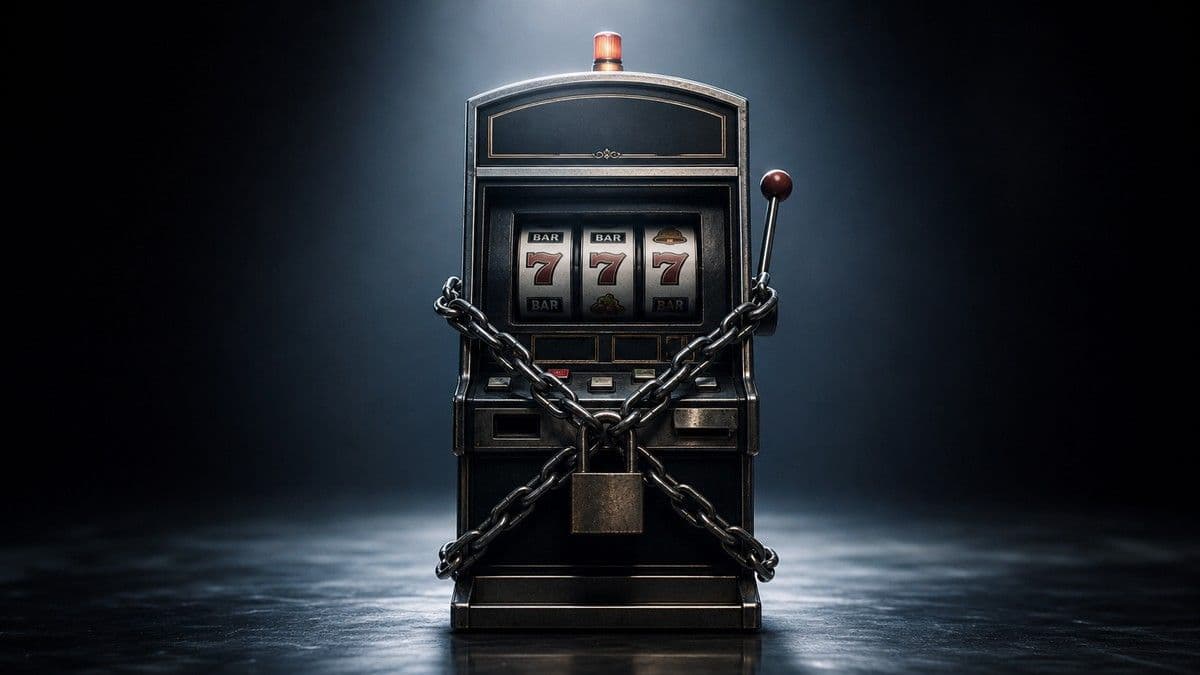
Supreme Court Rejects 10 Review Petitions Against Tamil Nadu and Karnataka Online Gambling Bans
Court upholds its 27 May 2026 judgment that states may prohibit online games with monetary stakes.
Key Takeaways
- The Supreme Court of India rejected ten review petitions on 28 October 2026, leaving its 27 May 2026 judgment unchanged.
- Justices J.B. Pardiwala and R. Mahadevan decided the petitions without a hearing in open court.
- Petitions were filed by Junglee Games India, Play Games24x7, Head Digital Works, All India Gaming Federation and Federation of Indian Fantasy Sports.
- The May 27, 2026 judgment held that states can prohibit online games involving monetary stakes, including skill-based games.
- Challenges to the Promotion and Regulation of Online Gaming Act of 2025 remain a separate legal matter; implementation began at the beginning of May 2026.
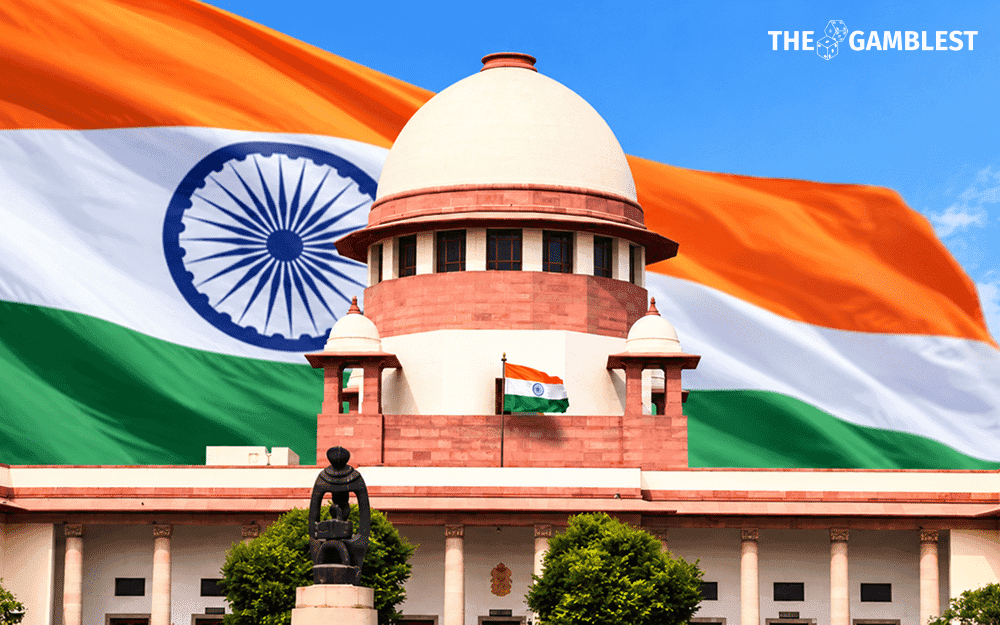
The Supreme Court of India rejected ten review petitions on 28 October 2026 that sought to overturn its 27 May 2026 judgment confirming state bans on online gambling in Tamil Nadu and Karnataka. Justices J.B. Pardiwala and R. Mahadevan issued the decision without holding a hearing in open court, leaving the May judgment intact.
Court ruling and petitioners
The review petitions were filed by Junglee Games India, Play Games24x7, Head Digital Works, All India Gaming Federation and Federation of Indian Fantasy Sports. The companies and industry groups had argued that the games at issue are skill-based and should not be equated with gambling, saying the location of the game—online or offline—does not change its basic nature. The Supreme Court rejected that argument and confirmed its May 27, 2026 conclusion that states can prohibit online games involving monetary stakes, including skill-based games.
Separate central-law challenge remains active
The challenges to the Promotion and Regulation of Online Gaming Act of 2025 are distinct from the review petitions dismissed on 28 October 2026. Implementation of that central law commenced at the beginning of May 2026. The Supreme Court had scheduled a final hearing on the challenges to the central law for 6 and 7 October 2026, but the later progress of that hearing could not be confirmed. The outcome of the central-law litigation does not alter state-level cases in Tamil Nadu and Karnataka.
The dismissal of the ten review petitions preserves the court’s May 27, 2026 ruling on state powers to ban online gambling.
Frequently Asked Questions
What did the Supreme Court decide about the state bans?
The Supreme Court rejected ten review petitions on 28 October 2026 and left its 27 May 2026 judgment unchanged, confirming that states may prohibit online games involving monetary stakes, including skill-based games.
Who filed the review petitions against the May judgment?
The review petitions were lodged by Junglee Games India, Play Games24x7, Head Digital Works, All India Gaming Federation and Federation of Indian Fantasy Sports.
Which judges issued the decision and how was it delivered?
Justices J.B. Pardiwala and R. Mahadevan issued the decision without holding a hearing in open court.
Does this ruling affect the central online gaming law challenges?
No, the dismissal of the review petitions is separate from the challenges to the Promotion and Regulation of Online Gaming Act of 2025; the central law’s implementation began at the beginning of May 2026 and its final hearing was scheduled for 6 and 7 October 2026.
Tags
About the author

Eleanor Whitfield
Regulatory Affairs Correspondent
Eleanor Whitfield tracks gambling legislation, licensing decisions, and regulator enforcement across key markets — from the UKGC, MGA, and Germany's GGL to Spain's DGOJ and the state-by-state map in the Americas. The reporting answers three questions precisely: what changed, where, and who it affects, with jurisdictions, effective dates, and penalty figures named exactly as published. Compliance officers and operators read Eleanor Whitfield to know which rulebook moved before their next board meeting.
More from Eleanor Whitfield