The Indian Gaming Association Strengthens Tribal Fight Against Illegal Prediction Markets
Tribal leaders intensify actions before Congress and the courts against prediction market platforms that challenge sovereignty and the legal framework of tribal gaming in the U.S.
Key Takeaways
- The Indian Gaming Association coordinates legislative and legal actions against illegal prediction markets impacting tribal gaming.
- Tribal leaders increased their presence before Congress and succeeded in stalling legislation favorable to prediction markets.
- The IGA collects economic data and testimonies to demonstrate the impact of these illegal platforms.
- The association emphasizes that adherence to the law should not be contingent upon demonstrating prior economic losses.
- Unity and tribal activism are deemed crucial by the IGA to defend sovereignty and the existing regulatory framework.
The Indian Gaming Association (IGA) has intensified its national offensive against illegal prediction markets, consolidating the stance of tribal leaders to protect sovereignty and the regulatory framework established by the Indian Gaming Regulatory Act (IGRA). The IGA president, David Z. Bean, acknowledged in Tulsa on August 12, 2026, the progress of tribal nations in Congress, but warned that the battle continues both in the political and legal arenas. The direct involvement of tribal leaders in defending their rights is resonating in Washington, where concerns over the growth of these platforms — which offer sports betting under the guise of prediction markets — are gaining traction among legislators and regulators.
A Comprehensive Strategy Against Illegal Prediction Markets
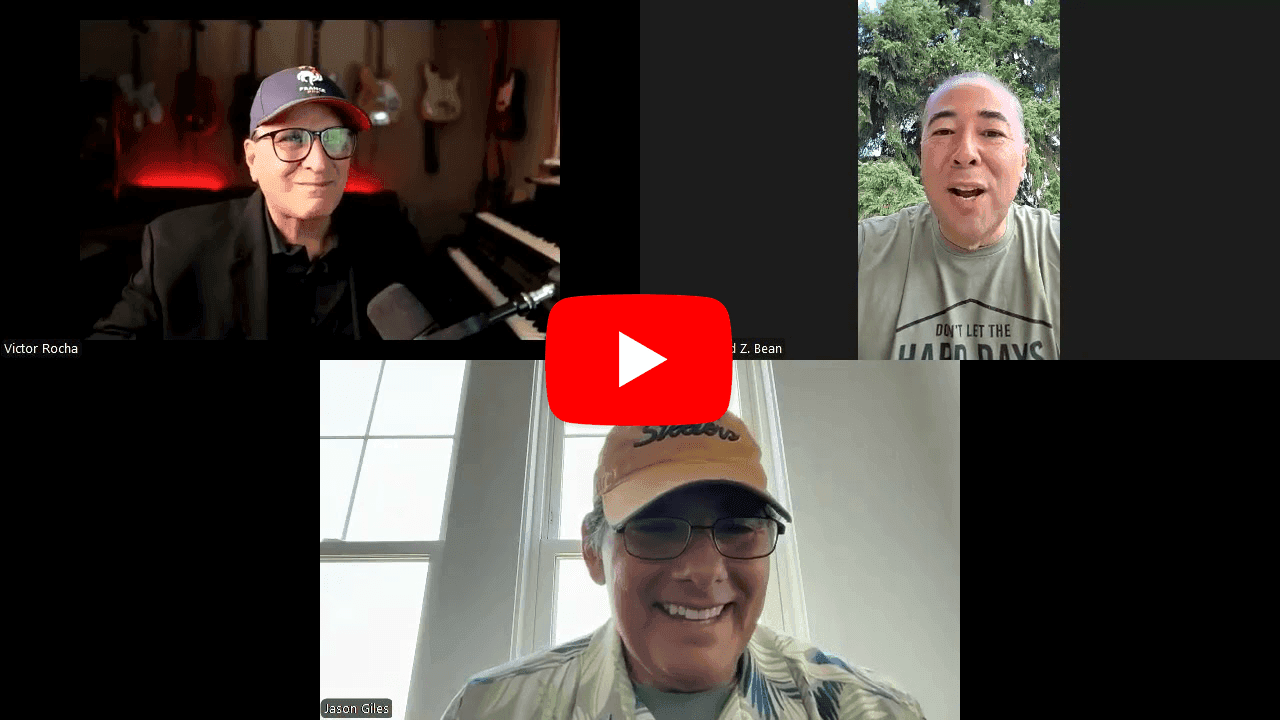
In the latest episode of "The New Normal" by the Indian Gaming Association, David Z. Bean reiterated that the core issue is the attempt of prediction platforms to operate sports betting outside of federal, state, and tribal regulations. While the IGA does not oppose digital innovation or cryptocurrencies, it rejects that betting services can use regulations designed for commodity products to evade strict controls.
"We are not against prediction markets or technology. We oppose prediction markets in the realm of sports betting and gaming masquerading as swaps." — David Z. Bean, IGA President
In the last year, the IGA has intensified its legislative and judicial efforts by coordinating multiple visits by tribal leaders to Washington, participating in the Summer Legislative Summit, and taking direct actions at the Capitol. These meetings have involved not only usual figures but also new tribal representatives, reflecting a significant dissemination of the message among more communities. The result: increased legislative and judicial scrutiny on these platforms and the Senate's refusal to advance a cryptocurrency bill favorable to prediction markets.
Prediction Markets Under Law and Tribal Sovereignty
The challenge of prediction markets lies in their offering of sports betting products outside of tribal-state agreements, the IGRA, and other relevant state and federal laws. This threatens both the jurisdictional competencies of tribes and their sovereign rights to regulate gaming within their territories. Bean emphasizes that this is no trivial matter:
"This involves violations of both tribal and state sovereignty," Bean stressed during the discussion.
Some tribal operations are already reporting decreases in sportsbook activity, although measuring the true extent of the impact is complex, especially in states without regulated tribal sports betting — like California and Oklahoma — or where the segment represents a small fraction of overall revenue. The IGA, in partnership with organizations such as the National Congress of American Indians (NCAI) and the Native American Rights Fund (NARF), gathers economic data and coordinates lawsuits to document and confront the problem before legislative and judicial bodies.
Legislators Demand Economic Proof; IGA Responds
The debate in Washington has also focused on whether tribal nations can provide concrete evidence of economic losses attributable to prediction markets. While the IGA acknowledges the importance of providing data, its leaders reject that legal protection should depend on showing dramatic declines in revenue before regulating these unscrupulous platforms. Bean's position is firm: "We should not be required to demonstrate bankruptcy for illegal activity to stop."
To strengthen its argument, the IGA has commissioned a national economic study and encourages affected tribes to share their stories and figures with their Congressional representatives. Additionally, the Association is preparing to enhance oversight, file regulatory complaints, and support lawsuits that advance in courts, relying on the active participation of state and regional tribal organizations.
Political Mobilization and Next Steps Towards Autumn
With the onset of the fall election campaign in the United States, the IGA will intensify direct contact with Congress during the Impact Week organized by the NCAI in September. It also aims to involve state and regional organizations in identifying violations and enforcing regulation. The priority is to maintain pressure in both courts and legislative and regulatory offices.
During the podcast, Bean highlighted the essential role of both veteran and new tribal leaders in direct communication with Congress, presenting evidence of the real impact on operations, employees, and tribal economies. The diversity of voices and experiences has strengthened the national narrative defending the tribal gaming industry and the legal model of the IGRA.
In conclusion, the Indian Gaming Association reiterated that it will maintain its strategy across multiple lines: legislative coordination, strategic litigation, strengthening the Sovereignty Defense Fund, and preparing for future regulatory scenarios. The final message is clear: unity and direct tribal participation are essential to protect the Indian gaming ecosystem in the U.S.
Frequently Asked Questions
Why does the IGA consider prediction markets illegal within the framework of sports betting?
The IGA claims that these platforms offer sports betting while circumventing the Indian Gaming Regulatory Act, tribal-state agreements, and consumer protection laws, thus operating outside the legal framework approved by Congress.
What concrete actions has the IGA taken in the U.S. Congress?
The Indian Gaming Association has organized visits by tribal leaders to Washington, participated in legislative summits, and increased direct contact with lawmakers to enhance scrutiny on illegal prediction markets.
Are tribes required to show economic losses before acting against illegal markets?
The IGA maintains that severe economic loss evidence should not be required to pursue action against illegal activities, emphasizing the inherent illegitimacy of these platforms according to David Z. Bean.
Which organizations collaborate with the IGA in the legal and regulatory fight?
The IGA works alongside the National Congress of American Indians (NCAI) and the Native American Rights Fund (NARF) to gather data, formulate complaints, and coordinate legal and regulatory efforts.
What approach will the IGA take in the coming months regarding the regulation of prediction markets?
The IGA plans to strengthen its legislative strategy, support litigation, conduct economic studies, and continue mobilizing tribal leaders to advocate before Congress and the courts during the fall election campaign.
Tags
About the author

Miguel Sandoval
Regulatory Affairs Correspondent
Miguel Sandoval tracks gambling legislation, licensing, and regulator enforcement — from Spain's DGOJ and the Latin American authorities to the UKGC, the MGA, and the state-by-state map in North America. The reports answer three questions precisely — what changed, where, and who it affects — with jurisdictions, dates, and penalties cited exactly as published. Operators and compliance officers read Miguel Sandoval to know which rulebook moved before their next meeting.
More from Miguel Sandoval