Tribal Leaders Request Ban on Prediction Markets from Congress
Tribal leaders argue against 'gaming-like' prediction markets, emphasizing the threat to sovereignty and potential financial loss.
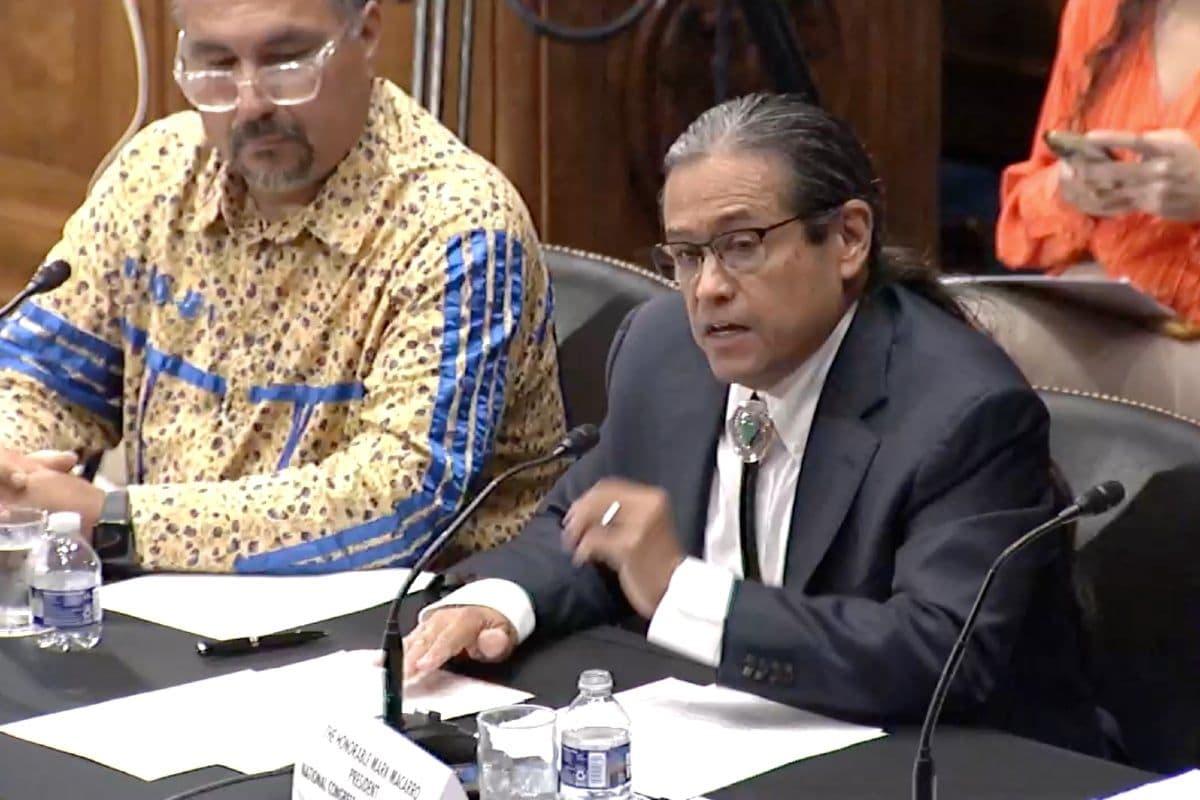
Tribal leaders have appealed to the U.S. Congress, seeking a prohibition on online prediction markets they see as infringing on their gaming rights established under the Indian Gaming Regulatory Act (IGRA). During an August session of the Senate Indian Affairs Committee, Mark Macarro, President of the National Congress of American Indians, articulated these concerns.
Challenges to Indian Sovereignty
At the Senate Indian Affairs roundtable, tribal representatives highlighted the risks posed by "gaming-like" prediction markets. Macarro stated, “Every dollar diverted to gaming-like prediction markets is a dollar pulled away from tribal jobs, facilities, and community programs.” As tribal chairman of the Pechanga Band of Luiseño Indians, he underscored the importance of respecting IGRA, which grants tribes exclusive control over gaming on Indian lands.
Financial Impact
According to Tehassi Hill, Vice Chairman of the Indian Gaming Association, the rise of prediction markets is a direct threat to tribal revenues, which support vital community services like health care and education. Hill remarked, "Indian country is rural America... we are deeply opposed to prediction markets offering nationwide online sports gambling to young individuals."
Legislative Response
The tribes urged Congress to enact legislation, specifically the CLARITY Act, aiming to prevent the Commodity Futures Trading Commission (CFTC) from permitting prediction markets to engage in sports or casino-style gaming. Jamie Hummingbird, Chair of the National Tribal Gaming Commission & Regulators, warned about the potential for redefining sports betting as legal under new terminologies.
Revenue Concerns
In fiscal year 2025, tribal casinos reported a record $46.2 billion in gross gaming revenue, marking a 5.3% increase from 2024. The recognition of 246 tribal nations across 29 states with 545 gaming establishments underscores the significant stakes in protecting these revenues from emerging competition.
The Broader Context
The conflict between federal regulation of prediction markets and tribal gaming rights highlights ongoing tensions in U.S. gaming law. Tribal leaders continue to argue for the protection of their economic interests and the preservation of their sovereign rights under IGRA.
Tags
About the author

Eleanor Whitfield
Regulatory Affairs Correspondent
Eleanor Whitfield tracks gambling legislation, licensing decisions, and regulator enforcement across key markets — from the UKGC, MGA, and Germany's GGL to Spain's DGOJ and the state-by-state map in the Americas. The reporting answers three questions precisely: what changed, where, and who it affects, with jurisdictions, effective dates, and penalty figures named exactly as published. Compliance officers and operators read Eleanor Whitfield to know which rulebook moved before their next board meeting.
More from Eleanor Whitfield