Venlo Authorities Enforce Three-Month Closure of Illegal Gambling Venue
Cooperation between the Municipality of Venlo, Dutch Gambling Authority, and the police resulted in a decisive raid and temporary closure over organised illicit gambling.
Key Takeaways
- Venlo authorities closed an illegal gambling venue for three months after finding active poker games and slot machines.
- The Municipality of Venlo, Kansspelautoriteit, and local police worked together to conduct the raid.
- The closure is part of coordinated efforts in the Netherlands to disrupt unlicensed gambling operations.
- Illegal venues lack player protections and can threaten public order and safety.
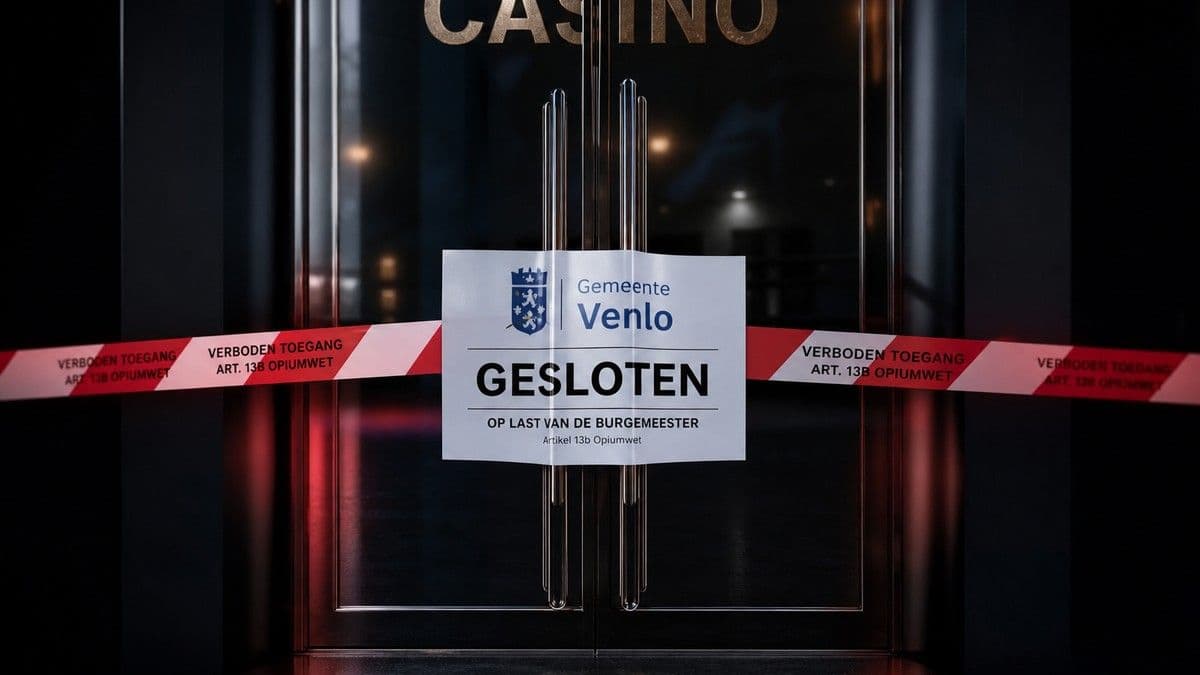
Dutch authorities have mandated the closure of a property in Venlo for three months after uncovering organised illegal gambling operations. The Municipality of Venlo, working with the Dutch Gambling Authority (Kansspelautoriteit, Ksa) and local police, executed a coordinated raid following reports of commercial-level gambling activity at the location. During inspection, officers and Ksa officials found multiple individuals participating in poker games, together with gambling chips and slot machines on the premises.
Details of the Venue Closure Action
Under the order of Venlo’s mayor, the premises were closed immediately after the authorities confirmed the site was used for illicit gambling. This action underscores the seriousness with which the local government and enforcement partners treat breaches involving unauthorised gambling establishments. The closure period is explicitly set at three months from the date of enforcement.
“Organised illegal gambling activities are dangerous, disrupt public order, and create opportunities for criminal infiltration,” stated a spokesperson for the Kansspelautoriteit.
Role of the Kansspelautoriteit and Law Enforcement
The Kansspelautoriteit operates as the Dutch national gambling regulator, responsible for oversight of both legal and illegal gambling in the Netherlands. In this instance, Ksa coordinated closely with Venlo’s municipal officials and national police. Ksa staff actively participated in the inspection, supporting the authorities in verifying the scale and nature of gambling at the site.
Signals indicating business-like, regular gambling led to the decision to intervene. The detection of both traditional poker activity and the presence of slot machines indicated a commercial operation rather than casual or social play.
Impact on Public Order and Consumer Safety
The Ksa and local authorities have stressed that illegal gambling venues lack standard protections such as assured fairness and player safeguards. Without regulatory oversight, these environments may facilitate problem gambling, do not guarantee honest play, and are vulnerable to criminal influence. Such venues can erode community trust and public safety.
“Fair play and addiction prevention measures are not guaranteed in illegal settings,” the Ksa noted in its official release.
Organised illicit gambling is tackled as both a public order issue and a threat to the integrity of local governance.
Multi-Agency Collaboration to Combat Illegal Gambling
The enforcement in Venlo reflects an ongoing strategy among Dutch municipalities, the Kansspelautoriteit, and law enforcement agencies to address illegal gaming in physical locations. This partnership model aims to disrupt criminal enterprises, protect consumers, and maintain transparency in the regulated gambling sector.
Municipalities across the Netherlands have increased collaborative operations following a series of similar enforcement actions, with Ksa often providing technical expertise and regulatory support. The closure in Venlo is part of a wider approach to counteract unlicensed gambling and uphold legal standards.
Regulatory Outlook and Industry Implications
Actions like the Venlo closure serve as a direct reminder to operators in the Dutch market regarding the scrutiny applied to unlicensed gambling activities, particularly those taking place outside regulated online channels. The Kansspelautoriteit has repeatedly called attention to the risks of both public nuisance and systemic criminality when illegal venues operate unchecked.
For sector participants and B2B service providers, these developments reinforce the importance of compliance and the continued regulation of both on- and offline gambling. The incident also highlights the significance of local enforcement capabilities in complementing national regulatory action.
Frequently Asked Questions
Why did Venlo authorities close the gambling venue?
Authorities closed the venue due to confirmed organised illegal gambling activities, including poker games and slot machines, following a coordinated inspection with the Kansspelautoriteit and police.
How long will the closure of the Venlo venue last?
The closure order issued by the Mayor of Venlo mandates a three-month shutdown for the property, starting from the date of enforcement.
What role did the Kansspelautoriteit play in the raid?
The Kansspelautoriteit provided regulatory oversight and on-site support during the inspection, working in direct collaboration with local police and municipal officers in Venlo.
What risks do illegal gambling venues present?
Such venues do not guarantee fair play or addiction prevention, heightening risks for players and enabling public order offenses or further criminal conduct.
How are authorities combating illegal gambling in Dutch municipalities?
Dutch municipalities partner with the Kansspelautoriteit and law enforcement to coordinate raids and closures, aiming to eliminate unregulated gambling from physical premises.
Tags
About the author

Eleanor Whitfield
Regulatory Affairs Correspondent
Eleanor Whitfield tracks gambling legislation, licensing decisions, and regulator enforcement across key markets — from the UKGC, MGA, and Germany's GGL to Spain's DGOJ and the state-by-state map in the Americas. The reporting answers three questions precisely: what changed, where, and who it affects, with jurisdictions, effective dates, and penalty figures named exactly as published. Compliance officers and operators read Eleanor Whitfield to know which rulebook moved before their next board meeting.
More from Eleanor Whitfield