How Responsible Gaming Increases Player Lifetime Value
Responsible gaming is not just a regulatory compliance; when applied strategically, it can enhance long-term player value.
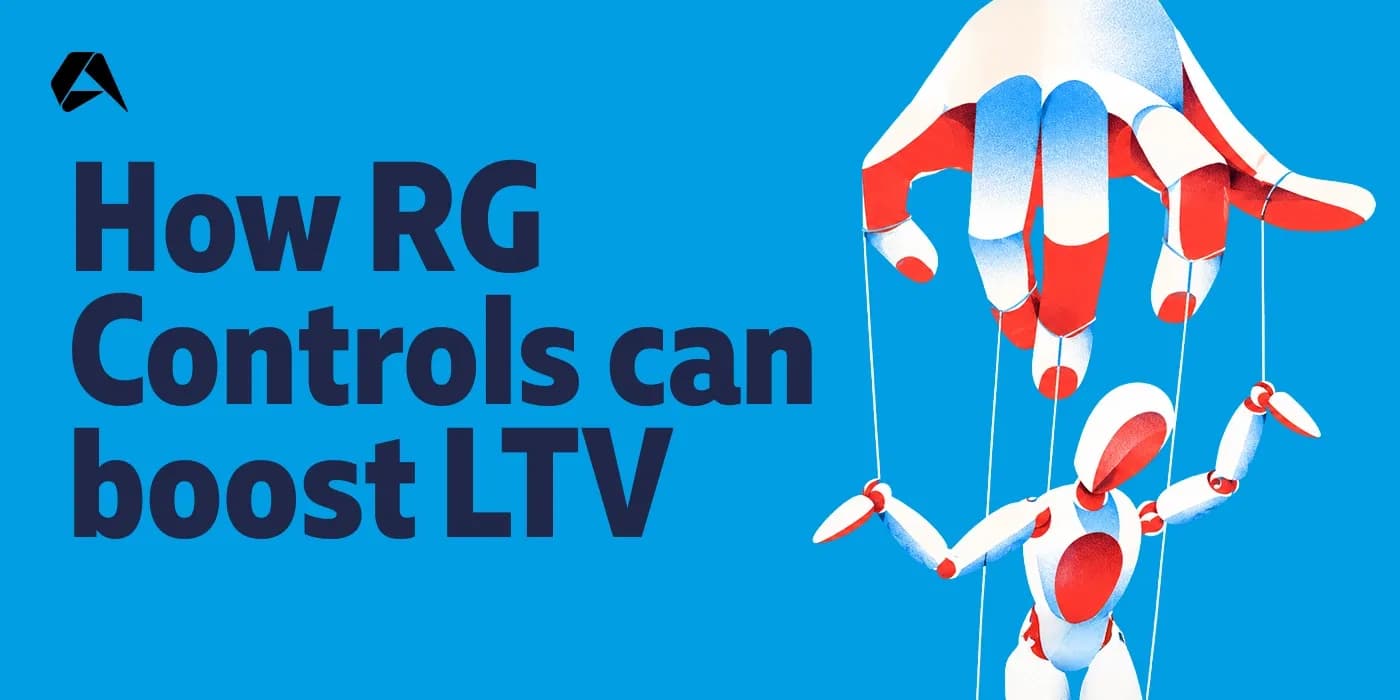
Responsible gaming measures are commonly seen as regulatory requirements that limit revenue growth. However, when applied correctly and with strategic intent, these tools can influence player behavior, prolong engagement, and increase player lifetime value (LTV).
Understanding Lifetime Value
Lifetime value is not solely defined by short-term spending. It is built over time, with players consistently returning and maintaining sustained participation. The players who contribute the most are not those who spend the most in a single session, but those who remain active over prolonged periods.
Consistent behavior extends the player lifecycle. A player who deposits small amounts over multiple sessions across several months often generates more value than one who makes large expenditures over short periods and then disappears.
Predictability is also crucial. Stable behavior allows operators to more effectively manage offer strategies and anticipate future activity. This leads to less reliance on short-term fluctuations and more on continued participation.
Managing Behavior Through Responsible Gaming
Responsible gaming provides tools such as deposit limits, session reminders, and cooling-off periods, which are essential when player risk is detected. But its role is broader, influencing player behavior over time. When well-applied, these measures create a balanced gaming pattern.
While an increase in activity may seem to indicate strong performance, such patterns are often unsustainable without proper management. Responsible gaming acts as a counterweight, applying restrictions at key moments to curb unsustainable behaviors before they translate into a drop in participation.
Turning Responsible Gaming into a Practical Advantage
In modern iGaming platforms, responsible gaming tools are available, but their true value lies in how they are applied to strengthen long-term relationships with players. Interventions should not be triggered solely by fixed thresholds but should be based on behavioral context. This means moving from reactive controls to behavioral guidance.
The most effective approaches personalize interventions to fit individual patterns, using data to identify when an intervention can support engagement rather than hinder it.
The Implementation Process
To apply these strategies effectively, responsible gaming must be integrated into CRM and product workflows, treating it as part of the player lifecycle management rather than just a compliance function. When incentives, messaging, and controls work towards the same goal, behavior becomes more predictable and manageable.
Effective implementation requires small but significant adjustments that, over time, strongly impact how players interact, how long they stay, and how predictable their value becomes.
Steps Toward the Future
Responsible gaming should not be seen merely as a compliance requirement. When applied strategically, it is part of how to build and maintain player value. For operators looking to move beyond reactive controls toward a more structured and behavior-driven approach, the next step is to understand how these principles translate into actual platform decisions.
Tags
About the author

Emilio Navarro
Industry Technology Correspondent
Emilio Navarro covers the cross-cutting technology and business of iGaming — platforms, data and AI, compliance tooling, affiliate marketing, financial results, and the stories that fit no single rubric. The reports open with the announcement, cite vendors and figures exactly as published, and keep a healthy distance from press-release language. When a supplier unveils a new engine or the advertising rulebook changes, Emilio Navarro reports what genuinely changes.
More from Emilio Navarro