Betting and Gaming Council Launches 'Back Our Betting Shops' in Britain
The Betting and Gaming Council's new campaign defends betting shops in Britain, stressing their roles in local communities, job creation, and economic contributions while warning of potential job and business losses if taxes rise.
Key Takeaways
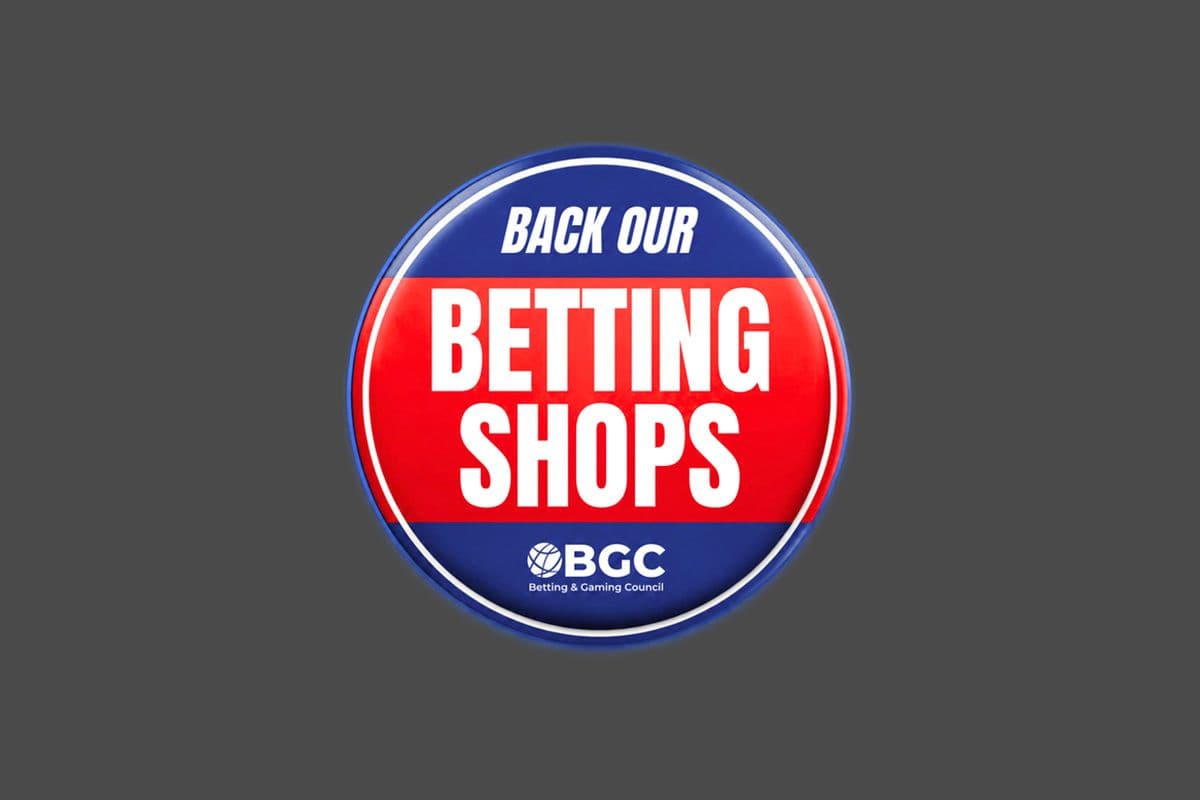
- The Betting and Gaming Council has launched 'Back Our Betting Shops' to highlight the social and economic roles of betting shops in Britain.
- EY modelling warns that raising Machine Games Duty to 40% could put up to 16,000 jobs and 1,500 betting shops at risk.
- Since 2019, over 3,000 betting shops have closed, resulting in more than 16,000 job losses.
- Betting shops currently support over 36,000 jobs and contribute to the economy, local communities, and British sport.
- The campaign aims to put real stories and local impacts at the forefront of regulatory and policy debates.
The Betting and Gaming Council has launched the 'Back Our Betting Shops' campaign in the UK, directly addressing the economic and community stakes faced by betting shops amid potential tax hikes. At the heart of the campaign is a warning: further increases in Machine Games Duty—particularly to a 40% rate—could put thousands of jobs and venues at risk across Britain, with wider consequences for communities and the national economy.
BGC's Focus on Real-World Impact
The campaign aims to bring attention to the individuals whose livelihoods depend on betting shops. This includes long-time employees, apprentices, managers, customers, and community partners—figures often overlooked in national discussions about gaming policy and tax. The Betting and Gaming Council's (BGC) approach highlights how shops remain important social hubs within high streets, while stating explicitly that job losses would come with local, not just abstract, human costs.
Potential Tax Changes and Their Sector-Wide Consequences
Economic modelling by EY, cited in the campaign, projects significant negative outcomes from further tax increases:
- A Machine Games Duty set at 40% could threaten up to 16,000 jobs
- Nearly 1,500 betting shops might close
- Up to 34 casinos may be at risk of shutting down
- The UK Treasury could see £124 million less in net receipts
These projections place an emphasis on both industry scale and Treasury interests, countering the idea that further taxes would simply increase government revenue. The warning comes during a period in which gambling regulation and tax policy remain central debates in the regulation and news agendas for the sector.
Ongoing Betting Shop Closures and Sector Employment
The sector has already faced widespread contraction. Since 2019:
- Over 3,000 betting shops have closed nationwide
- These closures have led to a loss of more than 16,000 jobs
- 22 casinos have closed, resulting in more than 3,000 jobs lost
- 108 bingo clubs have been shuttered, causing upwards of 2,000 job losses
Despite this, betting shops collectively still support over 36,000 jobs across Britain. The regulated betting and gaming sector as a whole sustains approximately 109,000 jobs and generates an estimated £6.8 billion in gross value added, as well as more than £4 billion each year in tax revenue for the Exchequer.
Betting Shops as Community and Economic Anchors
For many localities, betting shops serve as more than commercial outlets. They act as gathering places, draw customers to town centres, and support foot traffic for neighbouring businesses. The loss of additional shops could accelerate the hollowing out of Britain’s high streets. Beyond employment, the sector’s economic footprint is evident in the gross value added and the substantial tax contribution derived from regulated gaming activity.
Support for British Sport and Community Initiatives
Betting shops play a recognised role in supporting British sport—especially horseracing—via the statutory Horserace Betting Levy, and through sponsorship and investment in both professional and grassroots sports like rugby league. These partnerships have material impact for sports clubs and competitions grounded in local communities across the country. The campaign aims to highlight these contributions alongside the economic ones.
“Behind every betting shop is a team of real people earning a living, supporting their families and playing a part in their local community,” said BGC CEO Grainne Hurst. “These shops are not just businesses. For many people, they are community hubs, familiar places on the high street where people work, meet and socialise, often with staff who have known their customers for years.”
"We have already seen thousands of shops close and thousands of jobs disappear. Further tax increases would not just show up on a balance sheet. They could mean more people losing their livelihoods, more empty shopfronts and more communities losing businesses they value," Hurst continued.
Purpose and Structure of 'Back Our Betting Shops'
The campaign will feature stories from betting shops across Britain, aiming to give a public voice to:
- Staff and apprentices whose jobs are at stake
- Customers and local residents who rely on the social element of betting shops
- Operators and community partners involved in local initiatives
Its objective is to balance policy discussions about taxation and regulation with individual stories and concrete data from the regulated sector. The BGC emphasises the broader role of betting shops beyond revenue generation or business operations: acting as employers, community anchors, and contributors to British sporting life.
Industry Context and Policy Debate
The BGC’s launch of this campaign comes as policy makers debate changes in tax and regulation. Operators, industry analysts and community stakeholders are tracking potential developments closely, knowing the practical impacts outlined in the campaign are measurable and locally significant. The BGC is seeking to ensure its members’ voices—especially those of shop workers and local businesses—are considered in future policy and fiscal decisions concerning the sector.
Frequently Asked Questions
What is the purpose of the Back Our Betting Shops campaign?
The Back Our Betting Shops campaign aims to showcase the people, jobs, and communities that depend on betting shops in Britain, while warning of the human consequences of further tax increases. It highlights the sector's social and economic importance through real stories from employees and customers.
How could a Machine Games Duty increase affect the betting sector?
Raising Machine Games Duty to 40% could result in the loss of up to 16,000 jobs, the closure of nearly 1,500 betting shops, and up to 34 casinos shutting down, according to EY modelling cited by the BGC.
How many betting shops and jobs have been lost in Britain since 2019?
Since 2019, Britain has seen more than 3,000 betting shop closures and over 16,000 jobs lost in the sector. Additionally, 22 casinos and 108 bingo clubs have closed, resulting in thousands more job losses.
What contributions do betting shops make to British sport?
Betting shops support British sport through the statutory Horserace Betting Levy and sponsorships, helping to fund both professional and grassroots activities, including rugby league clubs deeply rooted in local communities.
How many jobs does the regulated betting and gaming sector support in Britain?
The regulated sector sustains approximately 109,000 jobs and delivers £6.8 billion in gross value added, with over £4 billion contributed annually in tax revenue to the UK Exchequer.
Tags
About the author

Marcus Webb
Industry Deals Correspondent
Marcus Webb covers the deal flow of the gambling industry — operator strategy, M&A, market entries, and product launches from sportsbook rebrands to full platform migrations. The reports name the companies, valuations, and jurisdictions exactly as disclosed and separate the announcement from its market impact. When a group consolidates a brand or a challenger launches into a new state, Marcus Webb explains who gains, who pays, and what closes next quarter.
More from Marcus Webb