Datafolha Survey: Betting Does Not Cause Debt in Brazil
A study reveals that only 7% of Brazilians bet, and average spending in casinos has decreased, challenging criticisms of the sector.
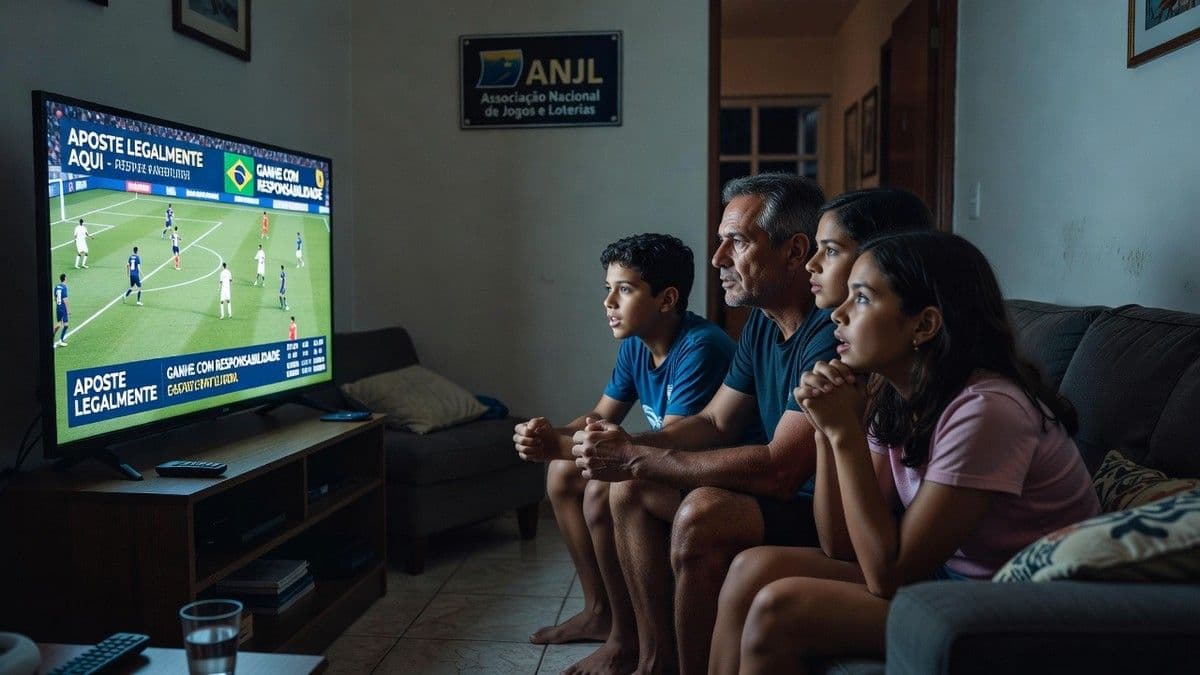
The Datafolha survey on betting in Brazil claims that it is not the primary cause of indebtedness. The National Association of Gaming and Lotteries (ANJL) highlights that, despite a perceived lesser impact on personal finances, the proportion of bettors remains stable at 7% since 2024. This figure contradicts the belief in indiscriminate increases in betting following market regulation.
Reduced Financial Impact
The study shows a decrease from 44% to 35% in people compromising their finances to bet. Those who skip paying a bill to bet decreased from 13% to 6%. Additionally, the number of people postponing purchases to allocate money to betting fell from 19% to 11%. Moreover, the 15% who borrowed money to bet has reduced to 8%.
Other important data reflects that average spending in online casinos dropped from 354 BRL to 232 BRL, a 34% reduction. This refutes the idea that Brazilians are sacrificing other essential expenses to bet more.
ANJL's Response
According to Plínio Lemos Jorge, president of the ANJL, the 18-month period between surveys underscores the importance of regulations. These include tools to mitigate compulsive behaviors and measures to shut down illegal betting sites. Jorge stated:
"Datafolha's data technically refutes the assumptions that betting is the main destroyer of the financial and mental health of Brazilians."
Methodology and Results
The national survey interviewed nearly 2,000 people in 139 municipalities, including metropolitan areas and smaller cities. Only 4% of respondents admitted to regularly accessing online casinos, disproving the notion that this habit is common.
Jorge added that "since the survey was completely anonymous, there is no reason to doubt the honesty of respondents. This gives us a crucial picture of reality, showing that the negative impacts of betting are much less than previously thought."
Electoral Relevance
The ANJL insists that the publication of these data arrives at a crucial moment, just before the election campaign season. This could prevent misinformation about the sector to gain political favor. Jorge concluded that the survey suggests a stabilization in the number and frequency of bettors, as well as a noticeable drop in average monthly spending, leading most to consider betting as just another form of entertainment.
Conclusion
This analysis shows how regulatory norms are protecting both consumers and the industry, effectively challenging criticisms towards the growth of the betting market in Brazil.
Tags
About the author

Renata Quiroga
Betting Markets Correspondent
Renata Quiroga covers sports betting and prediction markets — sportsbook launches, odds technology, event contracts, and the regulatory calls that decide what can be bet on and where. The reports open with the product or the ruling, name operators and platforms precisely, and explain the mechanics without needless jargon. When a book enters a Latin American market or a prediction exchange lists a contested contract, Renata Quiroga reports what changes for the bettor.
More from Renata Quiroga