Datafolha Survey Reveals Betting Not Major Cause of Debt in Brazil
Study by ANJL and Datafolha finds betting stable since 2024, dispelling myths about its financial impact on households.
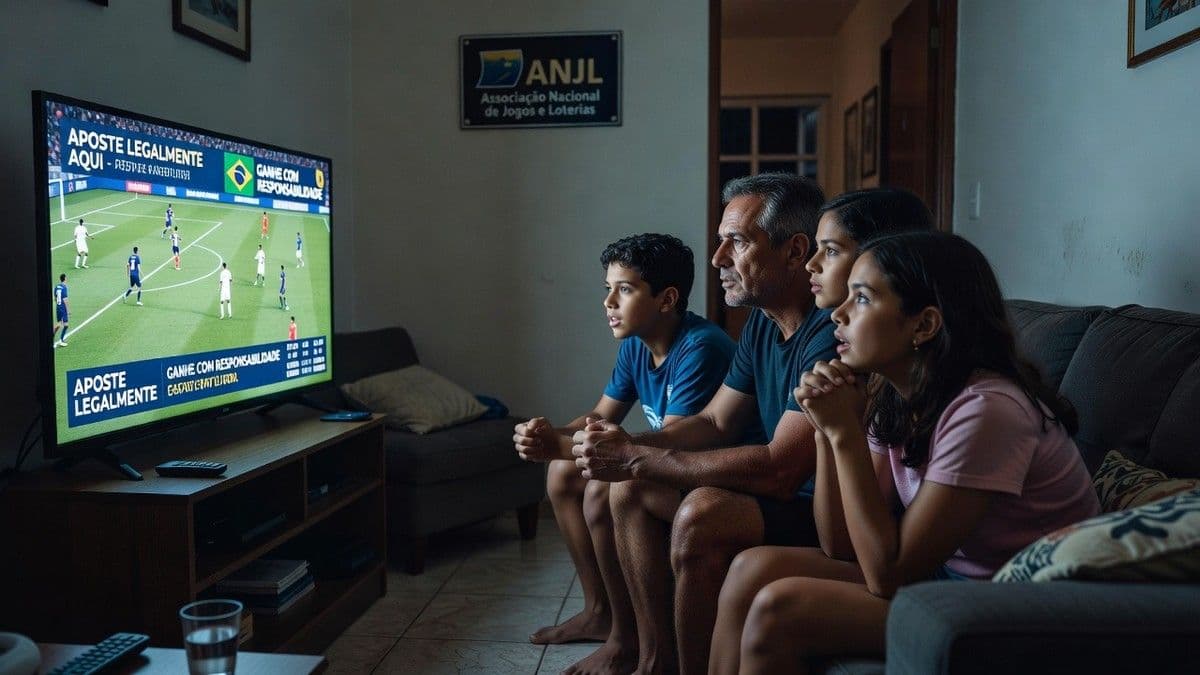
The latest Datafolha survey, in partnership with the National Association of Gambling and Lotteries (ANJL), reveals that betting is not a leading cause of household debt in Brazil. Only 7% of Brazilians engage in sports betting, a figure that has remained stable since 2024, countering claims of a surge in betting activity following regulatory changes.
Betting's Stabilized Impact on Finances
Comparing two Datafolha surveys, one from November 2024 and the latest, reveals significant findings about the financial behavior of bettors. Those who reported compromising their finances to bet dropped from 44% to 35%. Furthermore, the percentage of bettors skipping bill payments to gamble decreased from 13% to 6%. Notably, there was a decline from 19% to 11% of individuals who held off purchases to use funds for betting. Finally, the number of people borrowing money for betting purposes also fell from 15% to 8%.
Decline in Average Spending on Online Casinos
Average spending on online casinos decreased by 34%, from BRL354 ($70.80) to BRL232. This challenges the belief held by critics across economic sectors that individuals are reallocating essential spending, such as food and clothing, to betting activities.
Addressing Misconceptions
Plínio Lemos Jorge, ANJL president, highlighted that the survey’s findings refute narratives portraying betting as a major threat to financial and mental health in Brazil. “The data provided by Datafolha technically refutes assumptions circulated by critics of the betting market,” Jorge stated. The survey included nearly 2,000 participants across 139 municipalities, ensuring a diverse demographic representation.
Insights into Betting Habits
- Only 4% of respondents reported regular access to online casinos.
- The survey's anonymity assured authenticity in responses, offering a realistic view of betting's minimal negative impact.
Political and Regulatory Implications
The timing of this data release aligns with the upcoming election season, aiming to combat political misinformation regarding the betting industry's effects. ANJL emphasizes the significance of regulations that curtail compulsive betting behavior and target illegal operations. The survey underscores a stabilization in betting frequency and reiterates betting as a form of entertainment for most participants.
Impact of Regulatory Measures
The regulatory framework introduced over the past 18 months is credited with curbing detrimental behaviors related to betting. Enhanced enforcement actions against illegal betting sites have contributed to safer market conditions. The Datafolha figures reveal a clear shift in public perception, potentially influencing policy and public discourse.
For more about the latest regulations, check our updates on regulation.
Tags
About the author

Tessa Coleman
Betting Markets Correspondent
Tessa Coleman covers betting products and markets — sportsbook launches, odds and trading technology, and the fast-growing prediction-market space from regulated exchanges to event contracts. The stories lead with the product or the ruling, name the operators and platforms precisely, and translate trading jargon into what bettors can actually do. When a book reworks its pricing or a prediction market wins a license fight, Tessa Coleman explains the mechanics and the stakes.
More from Tessa Coleman