Trinidad and Tobago Approves Remote Gambling Order, Licences Due Jan 1 2027
Senate clears legal route for regulated online gambling and licensing by January 2027.
Key Takeaways
- The Remote Gambling Order 2026 was approved by the Senate on 2 October 2026, removing parts of Section 76 that criminalised international remote gambling from Trinidad and Tobago.
- Attorney General John Jeremie said licensing procedures and remaining administrative measures will be in place on or before 1 January 2027.
- The Gambling Control Commission of Trinidad and Tobago will coordinate with the Central Bank on payments and electronic money issuer licensing for the remote market.
- In 2025 the regulated gambling sector generated approximately TTD 72.66m (US$10.74m) and there were 1,150 registered gaming-related tax accounts.
The Remote Gambling Order 2026 received final parliamentary approval on 2 October 2026, and the government says the regulatory and licensing processes will be in place by 1 January 2027. The order removes provisions that previously criminalised operators offering remote gambling services internationally from within Trinidad and Tobago, enabling both domestic and foreign igaming businesses to apply for licences.
What the Remote Gambling Order 2026 changes in Trinidad and Tobago
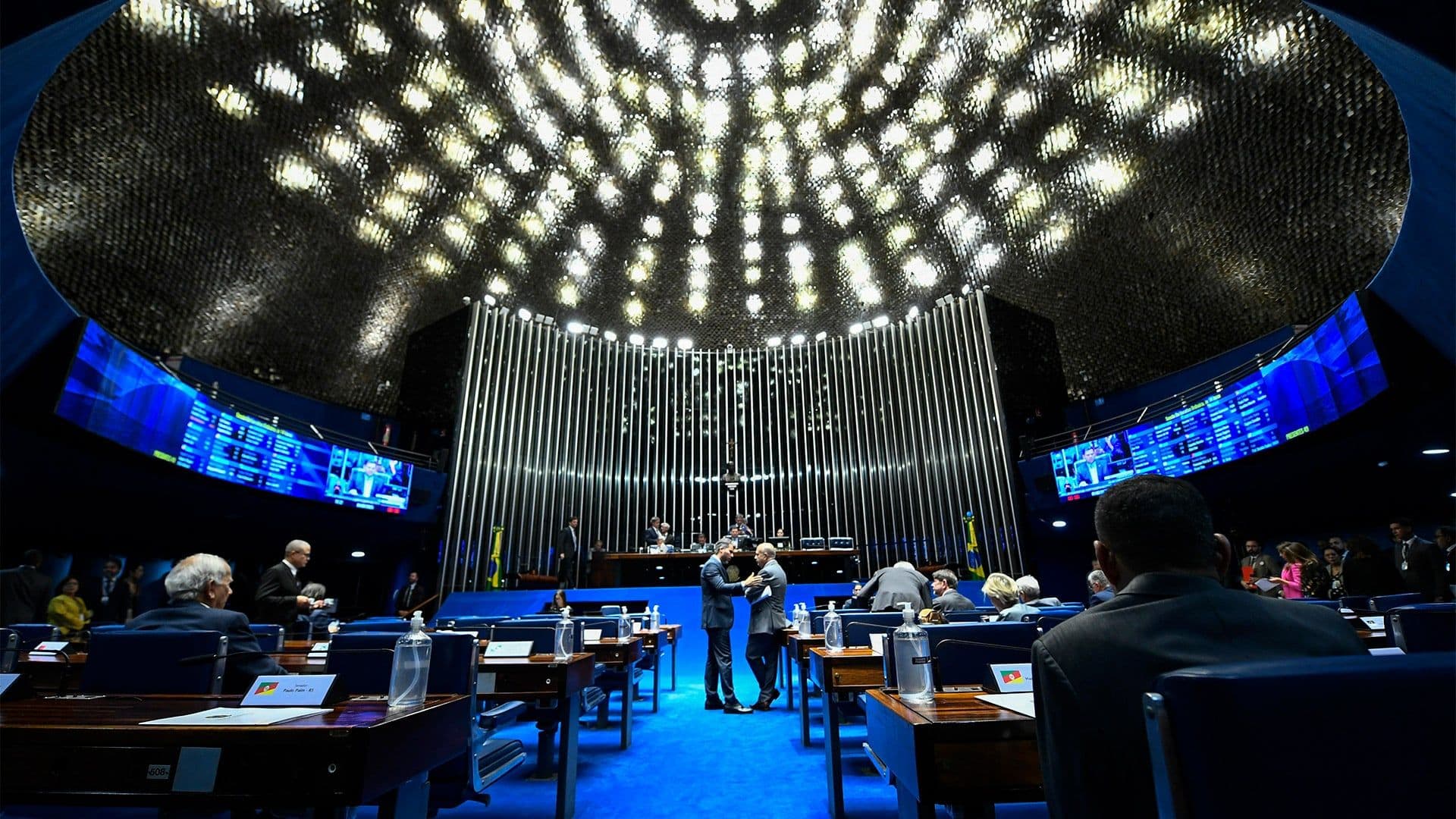
The Gambling (Gaming and Betting) (Remote Gambling Order 2026) passed the Senate on Friday 2 October 2026, after unanimous approval in the House of Representatives days earlier. The Order amends the Gambling, Gaming and Betting Control Act by removing parts of Section 76 that had made it an offence for operators based in Trinidad and Tobago to offer remote gambling services to persons outside the jurisdiction.
Attorney General John Jeremie told lawmakers the remaining administrative measures for issuing remote gambling licences will be fully implemented on or before 1 January 2027. The government has framed the change as the final legislative step needed to bring regulated online gambling into Trinidad and Tobago's formal economy.
Licensing timetable and regulatory coordination
The Gambling Control Commission of Trinidad and Tobago will oversee the licensing framework and coordinate with the Central Bank to finalise operational details ahead of the January 2027 start date. Those preparations include:
establishing procedures for issuing remote gambling licences to local and foreign operators
integrating digital payment mechanisms into the regulatory regime
creating licensing arrangements for electronic money issuers that will support the remote market
The Attorney General said issues raised in parliamentary debate, including the mechanics of licensing and foreign exchange flows, will be addressed in the administrative measures due before January.
Government rationale: revenue, jobs and formalisation of activity
Finance Minister Davendranath Tancoo argued in support of the Order that regulated remote gambling could unlock economic opportunity and new government revenue. Minister of Planning, Economic Affairs and Development Kennedy Swaratsingh noted that prohibition had not eliminated unregulated remote gambling and that legalisation would allow the State to monitor operators and capture tax and employment benefits.
Swaratsingh cited industry forecasts to place the opportunity in context: the global gambling industry is expected to reach US$700bn in revenue by 2028. He said the Order's objective is to legislate remote gambling while imposing regulatory rules on licence holders rather than permitting unrestricted activity.
Compliance and obligations for licence holders
The Order will permit holders of a remote gambling licence issued by the Gambling Control Commission of Trinidad and Tobago to offer remote gambling, subject to rules the Commission will set. Ministers emphasised that licence holders must adhere to regulatory requirements; the text of the Order eliminates the blanket criminal prohibition but does not dispense with oversight or conditions attached to operating remotely from Trinidad and Tobago.
Parliamentary concerns and questions
Opposition Senator Faris Al‑Rawi raised concerns about the speed of the legislative process and requested more detail on how licensing will be regulated. He highlighted that the Gambling Control Commission of Trinidad and Tobago was appointed in 2022 and questioned how the government will manage the potential outward flow of foreign exchange resulting from a remote gambling sector that serves international customers.
Attorney General John Jeremie said the administrative framework — including measures to address foreign exchange and enforcement — will be settled before the 1 January 2027 implementation date.
Current size of Trinidad and Tobago's regulated gambling market
Finance Minister Davendranath Tancoo highlighted existing, regulated gambling activity to support the case for remote licensing. At the time of his remarks there were 1,150 registered gaming-related tax accounts with the Board of Inland Revenue: 926 Gaming Amusement Tax accounts and 224 Club Gaming Tax accounts. Revenue recorded from the sector in 2025 totalled approximately TTD 72.66m (US$10.74m), comprising TTD 15.06m (US$2.23m) in Gaming Amusement Tax and TTD 57.60m (US$8.51m) in Club Gaming Tax.
Tancoo also referred to a coordinated enforcement exercise between October 2025 and February 2026 that produced 247 payments across 240 Gaming Amusement Tax accounts, worth around TTD 15.58m (US$2.30m). He used those figures to argue that bringing additional gambling activity into the formal system could expand the country’s tax base and generate revenue on a global scale if remote gambling develops successfully.
What operators and service providers should expect
Operators seeking licences will face a regulatory regime to be set by the Gambling Control Commission of Trinidad and Tobago, coordinated with the Central Bank for payments and electronic money issuer oversight. Platform providers, payment processors and compliance vendors should prepare for requests related to digital payment integration and e‑money licensing as part of the Commission’s operational framework. The Commission will define the specific conditions, reporting obligations and enforcement mechanisms for remote licence holders.
Where this sits in the regional context
The Order updates Trinidad and Tobago’s gambling laws that originated in earlier statutes such as the Gambling and Betting Act of 1963 and other legacy instruments. Ministers framed the change as a modernisation of the legal framework to reflectinternet-era activity while bringing remote gambling under formal regulation.
For the Commission and Treasury, the immediate priority is delivering the administrative and operational scaffolding announced by the Attorney General so that licences can be issued and regulated remote gambling can begin from 1 January 2027. The Gambling Control Commission of Trinidad and Tobago has public responsibility for licence issuance and ongoing supervision; stakeholders can expect further detail from the regulator as the implementation timetable progresses.
Frequently Asked Questions
When does regulated online gambling start in Trinidad and Tobago?
Regulated online gambling is scheduled to start on 1 January 2027, with the government stating that the licensing and administrative framework will be in place on or before that date. The Remote Gambling Order 2026 passed the Senate on 2 October 2026 and follows unanimous House approval.
What legal restriction does the Remote Gambling Order 2026 remove?
The Order removes provisions within Section 76 of the Gambling, Gaming and Betting Control Act that previously criminalised operators in Trinidad and Tobago from offering remote gambling services to persons outside the country. That change allows operators based in Trinidad and Tobago to seek licences to serve international customers.
Who will issue and supervise remote gambling licences?
The Gambling Control Commission of Trinidad and Tobago will issue and supervise remote gambling licences and will coordinate with the Central Bank to finalise payment integration and electronic money issuer licensing. Ministers said the Commission is responsible for the operational framework ahead of January 2027.
What fiscal data did the government cite to support legalisation?
Finance Minister Davendranath Tancoo reported 1,150 registered gaming-related tax accounts and sector revenue of about TTD 72.66m (US$10.74m) in 2025, including TTD 15.06m in Gaming Amusement Tax and TTD 57.60m in Club Gaming Tax, to argue for expanding the regulated market.
Tags
About the author

Eleanor Whitfield
Regulatory Affairs Correspondent
Eleanor Whitfield tracks gambling legislation, licensing decisions, and regulator enforcement across key markets — from the UKGC, MGA, and Germany's GGL to Spain's DGOJ and the state-by-state map in the Americas. The reporting answers three questions precisely: what changed, where, and who it affects, with jurisdictions, effective dates, and penalty figures named exactly as published. Compliance officers and operators read Eleanor Whitfield to know which rulebook moved before their next board meeting.
More from Eleanor Whitfield