Lukashenko Denounces the 'Casino-ification' of Belarus After Tripling iGaming Searches on September 11
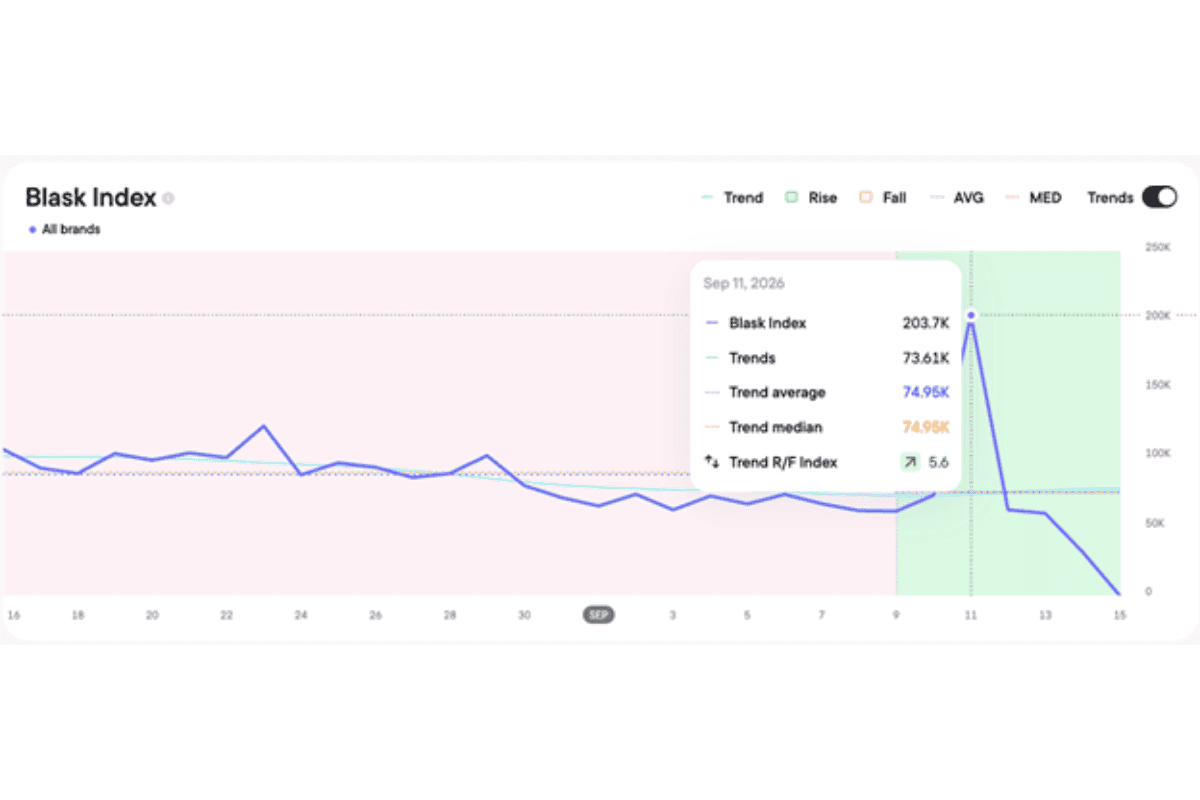
The President of Belarus linked the operator Maxline to the saturation of gambling advertising, just on the day digital interest in iGaming surged to 203,700 queries in the Blask Index.
Key Takeaways
- On September 11, searches for iGaming in Belarus reached 203,700, tripling the daily average.
- Aleksandr Lukashenko cited Maxline and criticized the proliferation of betting ads in Minsk.
- The US Open semifinal played by Aryna Sabalenka coincided with the peak in queries.
- The withdrawal of advertising was uneven: effective in Minsk, limited elsewhere.
- The weekly increase of 64.7% reflects a one-off phenomenon, not a sustained trend change.
On September 11, the President of Belarus, Aleksandr Lukashenko, referred to the country as a “casino” and directly pointed to the advertising of the betting operator Maxline. On the same day, the demand for searches related to iGaming skyrocketed to 203,700 in the Blask Index, nearly tripling the typical daily range of 60,000 to 80,000. This reaction coincided with the semifinal of the US Open, in which Belarusian Aryna Sabalenka defeated Jessica Pegula, which may have contributed to the unusual increase in digital queries.
State Crackdown on Betting Advertising and Mention of Maxline
Lukashenko's comment, unusual for citing a specific operator like Maxline in official speeches, highlights the escalation in the government campaign against gambling promotion. Authorities have removed betting billboards in downtown Minsk, while regional roads and branded vehicles still displayed advertisements during the week of the incident. This type of direct intervention on the public exposure of operators rarely targets specific names, according to the usual pattern of state communication.
The Spike in the Blask Index and the Possible Impact of Sports
The record of 203,700 searches in the Blask Index marks the highest single volume for iGaming in Belarus during 2026, but the trend normalized within two days, placing the weekly figure at a rise of 64.7%. The Blask Index defines its metric as a real-time assessment of the demand for iGaming brands in the country, using normalized search data. The sharp increase on the 11th and the return to standard levels by September 13 suggest that it was not a structural market change, but rather a one-off episode driven by specific circumstances.
"The volume of searches did not hold: it rose on the 11th and returned to baseline on the 13th," noted Blask Index in its technical report.
Analysts have pointed out that the coincidence with Sabalenka's victory in the US Open semifinal represents a potentially more effective trigger for interest in betting than the political denunciation. The final result on the 12th, where Sabalenka was defeated by Elena Rybakina, did not generate a comparable spike in searches or brand queries.
Betting Advertising in Belarus: Regulatory Context
Belarus maintains a relatively permissive betting regulation regime within the region, but recent movements suggest a review of the approach regarding the visibility of betting houses. The removal of urban billboards for operators like Maxline has been complemented by less strict controls outside Minsk, according to industry reports during the analyzed week.
There are still no public data broken down by brand that can conclusively attribute the surge in searches to a specific cause. However, the official source Blask Index emphasizes the temporary nature of the digital wave, rather than a sustained transition in consumer interest.
Impacts for Operators and Market Observers
The episode raises three tactical priorities for iGaming market players in Belarus:
- Monitor the reputational effects of direct mentions in state-level speeches, paying special attention to potential future regulatory restrictions.
- Distinguish between demand movements driven by national sports events and those arising from campaigns against advertising.
- Review urban advertising strategies, focusing on compliance and adaptability in light of selective regulatory interventions.
The Maxline case serves as a warning and experimentation reference for other operators with both physical and digital presence in the country.
Analysis of Weekly Volatility and Outlook
The 64.7% rise in weekly searches is statistically significant, but the effect is concentrated in a single day. For suppliers and regulators, this pattern suggests the need to distinguish between transient spikes tied to sports outcomes or media crises, and lasting shifts in public preferences. Without attribution data by campaign or brand, interpretation remains open for future internal and external sector analyses.
Frequently Asked Questions
What caused the increase in iGaming searches in Belarus on September 11?
The increase coincided with a public denunciation by Lukashenko against betting advertising and with Aryna Sabalenka's qualification for the US Open final, reaching 203,700 searches according to the Blask Index.
Why is it relevant that Lukashenko mentioned Maxline?
It is significant because a state official rarely publically points to a specific operator like Maxline in the context of regulatory campaigns, marking the most visible point of the offensive against betting advertising.
Did the advertising crackdown affect the entire country equally?
No, billboards in Minsk were removed, but roads and vehicles outside the capital retained advertisements during the event week according to industry reports.
Did the spike in searches represent a permanent change in the market?
No, the Blask Index reported that demand returned to normal within two days, with the increase being a one-off phenomenon linked to specific sports and media circumstances.
Are there data that allow separating the influence of sports and politics on the digital surge?
There are no public data broken down by brand or campaign that definitively attribute the spike to a cause, so analysis remains open to new internal metrics.
Tags
About the author

Emilio Navarro
Industry Technology Correspondent
Emilio Navarro covers the cross-cutting technology and business of iGaming — platforms, data and AI, compliance tooling, affiliate marketing, financial results, and the stories that fit no single rubric. The reports open with the announcement, cite vendors and figures exactly as published, and keep a healthy distance from press-release language. When a supplier unveils a new engine or the advertising rulebook changes, Emilio Navarro reports what genuinely changes.
More from Emilio Navarro