KSA: Dutch gambling market falls to €4.1bn in 2025; H1 2026 monitor shows account growth
Online GSR down sharply while online accounts rise to 1.48 million in early 2026.
Key Takeaways
- The licensed Dutch gambling market contracted from €4.5bn in 2024 to €4.1bn in 2025, per the KSA Market Scan.
- Online casino GSR fell 18.2% and online betting GSR fell 30.2% in 2025.
- Online gambling accounts increased to 1.48 million in H1 2026, up from 1.38 million six months earlier.
- Channelization by participant count remained about 94%, while channelization by BSR rose from 54% to 59% between H2 2025 and H1 2026.
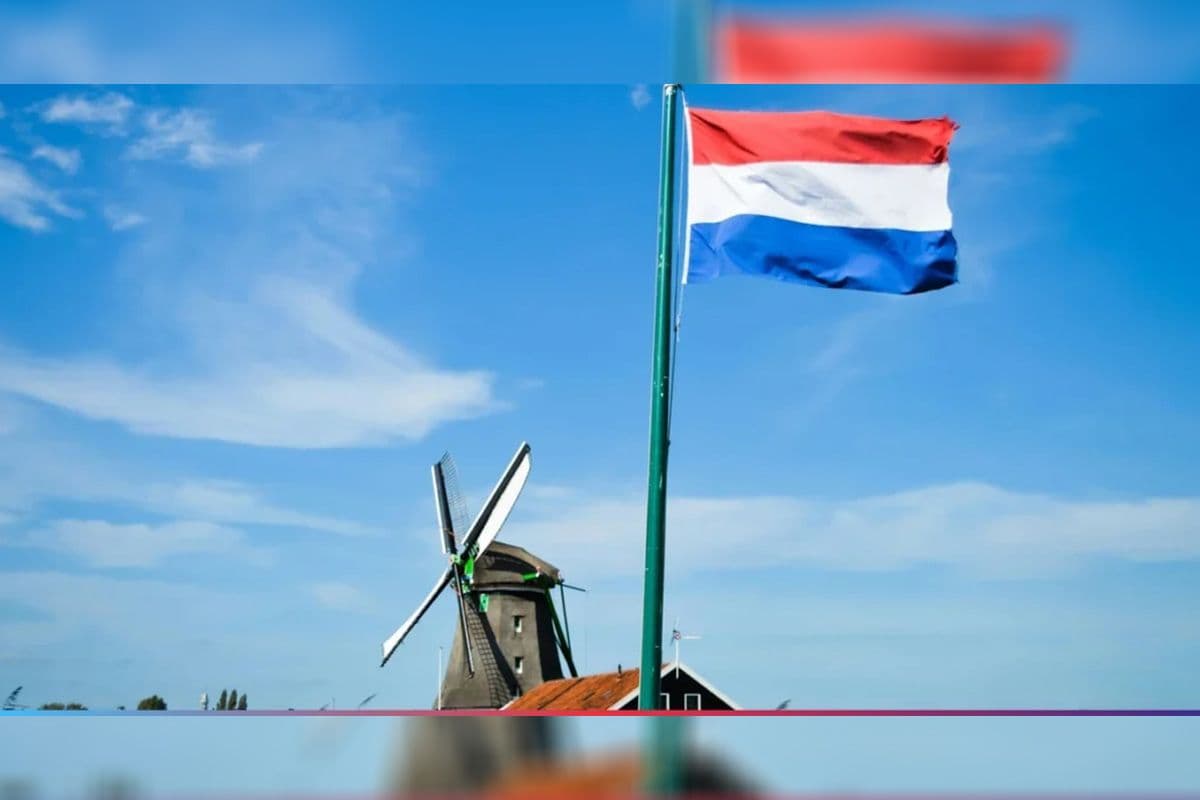
The licensed Dutch gambling market contracted to €4.1 billion in 2025, the Dutch Gaming Authority (KSA) reported, driven mainly by declines in the online offering. The KSA published its annual Market Scan for 2025 alongside a semi‑annual Monitoring Report for the first half of 2026; the monitoring data show the number of online gambling accounts increasing to 1.48 million by H1 2026.
Market size and GSR movements
The KSA's Market Scan records gross gaming revenue (GSR) for the total licensed market (online and offline) falling from €4.5 billion in 2024 to €4.1 billion in 2025. The drop was concentrated in online operations: GSR for online casino offerings declined by 18.2%, while GSR for online betting fell 30.2%. The KSA links part of these reductions to protection measures introduced at the end of 2024, including the net deposit limit. The Men’s European Football Championship in 2024 also inflated sports‑betting GSR that year.
Land‑based figures showed smaller shifts. The BSR for slot machines in gambling halls and hospitality venues declined 4.7% in 2025 versus 2024. Holland Casino's BSR increased 2.8% in 2025, a rise the KSA attributes primarily to land‑based slot machine revenue rather than table games. The BSR for lotteries decreased 1.8% compared with the prior year.
H1 2026 online monitoring: accounts, channelization and losses
The Monitoring Report covering January–June 2026 records the number of online gambling accounts at 1.48 million, up from 1.38 million six months earlier. The KSA estimates roughly 490,000 people gamble occasionally in any given month; across the first half of 2026 about 820,000 people gambled online at some point.
The KSA notes the increase in accounts may partly reflect demand related to the Men’s World Cup, which started in June 2026, but it also flags the possibility that some consumers are creating multiple accounts to circumvent per‑account deposit limits. Channelization—the share of gamblers using licensed providers—appears to have stabilised. About 94% of people who gamble occasionally do so only with legal providers. When measured by BSR, channelization rose slightly from 54% in the second half of 2025 to 59% in the first half of 2026.
The divergence between channelization by participant count and by BSR suggests that people gambling illegally incur substantially higher average losses than those using licensed providers.
Harm metrics and risk profiles
Figures on people receiving treatment for gambling addiction come from the National Alcohol and Drugs Information System (LADIS) and relate to 2025. In 2025 there were over 14% more people in treatment for a gambling addiction than in 2024. Ipsos risk‑survey data in the Monitoring Report show the number of people at high risk of gambling harm remained unchanged in 2026, the number at low risk increased, and the number at moderate risk decreased. Ipsos estimates 65% of people who gamble online do so non‑problematically; that share is the same as in 2025.
What the KSA highlights
The KSA pairs the Market Scan with the Monitoring Report to present a combined view: the licensed market contracted to €4.1 billion in 2025, online GSR fell sharply, but account volumes increased to 1.48 million in H1 2026 with channelization by participants staying near 94% and channelization by BSR edging up to 59%. The authority also flags the increase in treatment cases (+14% in 2025) and repeats the role of the net deposit limit and other late‑2024 measures in shaping 2025 results.
For operators tracking regulatory change, the reports pin the 2025 contraction to online declines while the H1 2026 monitor raises questions about account behaviour during major sports events and around per‑account deposit controls. For regulators and vendors the data supply concrete reference points on GSR movements, channelization and harm indicators.
Frequently Asked Questions
How large was the licensed Dutch gambling market in 2025?
The licensed Dutch gambling market was €4.1 billion in 2025 according to the Dutch Gaming Authority's Market Scan, down from €4.5 billion in 2024.
What drove the decline in GSR in 2025?
The decline was driven mainly by online activity: online casino GSR fell by 18.2% and online betting GSR fell by 30.2% in 2025, with the KSA citing end‑of‑2024 protection measures including the net deposit limit and the elevated sports betting in 2024 from the Men’s European Football Championship.
How many online gambling accounts were active in early 2026?
The KSA's Monitoring Report records 1.48 million online gambling accounts in the first half of 2026, up from 1.38 million six months earlier.
What does channelization look like in the Netherlands?
About 94% of people who gamble occasionally do so only with legal providers, and channelization measured by BSR rose from 54% in H2 2025 to 59% in H1 2026, according to the KSA's monitoring data.
Tags
About the author

Oliver Grant
Industry Technology Correspondent
Oliver Grant covers the technology and business machinery of iGaming — platform and data deals, AI and compliance tooling, affiliate and marketing shifts, and the quarterly numbers behind them. The reports lead with the announcement, name the vendors and figures exactly as published, and separate genuine capability from press-release promise. When a supplier ships a new engine or a regulator tightens ad rules, Oliver Grant explains what actually changes for the companies involved.
More from Oliver Grant