Weekly bingo grows in large Basque associations, says the Observatorio
The report presented on 8 June distinguishes two models by size: up to 200 and over 600 members.
Key Takeaways
- The Observatorio Vasco del Juego presented the study on 8 June to the Basque Parliament commission.
- In associations up to 200 members, 43.1% play occasionally, with 1.5-hour sessions and about 25 attendees.
- In associations with more than 600 members, 63.8% play at least weekly, with 2-hour sessions and 38 attendees.
- Both models share a low-intensity economic logic with similar card prices and prize amounts.
The Basque Gambling Observatory presented on 8 June to the Commission for Institutions, Public Governance and Security of the Basque Parliament the results of a study on the practice of bingo within associations. The report identifies two distinct models according to the size and organisation of the entities: a community, informal model in small associations (up to 200 members) and an institutionalised, organised model in large associations (more than 600 members).
Community, informal model
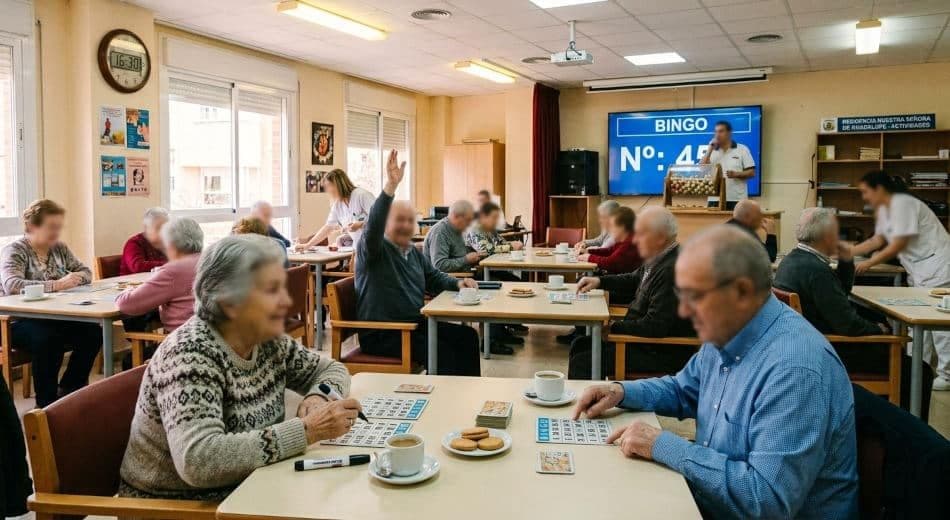
In associations of up to 200 members bingo is mainly occasional. 43.1% of participants play “from time to time”. Sessions last an average of 1.5 hours and gather around 25 people per meeting. The study describes this practice as an activity linked to occasional social gatherings and community togetherness.
Institutionalised, organised model
In associations with more than 600 members bingo is part of the regular leisure programme. In this segment 63.8% of participants play at least one day per week. Sessions reach an average duration of 2 hours and attendance rises to 38 people per meeting. The report positions this pattern as a regular offering within the associations' agendas.
Shared economic logic
Despite differences in frequency, duration and participation, the study concludes that both models share a low-intensity economic logic. The amounts allocated to cards and the prize sums are very similar between small and large associations, so the differences respond to the organisational capacity and the size of each entity.
The document shows that bingo performs different functions within the Basque associative fabric: from an occasional social activity to an integrated leisure proposal in regular programming. Further details of the report were presented to the Basque Parliament commission by the Observatorio Vasco del Juego; you can consult the [regulatory context](/regulation) in [regulatory context](/regulation) and the [social dimension](/events) in [social dimension](/events).
“Bingo is part of the regular leisure programming in larger associations,” the Observatorio Vasco del Juego said during the presentation to the Commission for Institutions, Public Governance and Security of the Basque Parliament.
Frequently Asked Questions
When did the Observatorio Vasco del Juego present the study on associative bingo?
The Observatorio Vasco del Juego presented the study on 8 June to the Commission for Institutions, Public Governance and Security of the Basque Parliament during a parliamentary session.
What differences exist between small and large associations in bingo practice?
Small associations (up to 200 members) record 43.1% of participants who play 'from time to time', with 1.5-hour sessions and about 25 attendees; large associations (more than 600 members) show 63.8% who play at least once a week, sessions of 2 hours and 38 attendees.
Does the study indicate economic differences between the two bingo models?
No, the study concludes both models share a low-intensity economic logic. Amounts for cards and prize sums are very similar between small and large associations.
Tags
About the author

Gonzalo Marín
Industry Deals Correspondent
Gonzalo Marín covers the corporate deal flow of gambling — operator strategy, M&A, regulated-market entries, and product launches. The reports open with the transaction, cite companies, valuations, and jurisdictions exactly as released, and keep the announcement apart from its actual effect. When a Latin American operator raises capital or a European brand lands in the region, Gonzalo Marín reports who signs, for how much, and on what terms.
More from Gonzalo Marín