Chicago Mayor Seeks 20% Sports Betting Tax Amid Legal Challenge
State legislation and an operator lawsuit threaten the city's existing levy.
Key Takeaways
- Chicago Mayor Brandon Johnson proposed raising the city's sports betting tax from 10.25% to 20% in his 2027 budget.
- Chicago expects the proposed tax increase to generate another $37 million annually.
- Illinois Policy estimates Chicago could lose $76.9 million in anticipated annual sports betting tax revenue.
- The Sports Betting Alliance sued Chicago over its existing sports betting tax in December 2025.
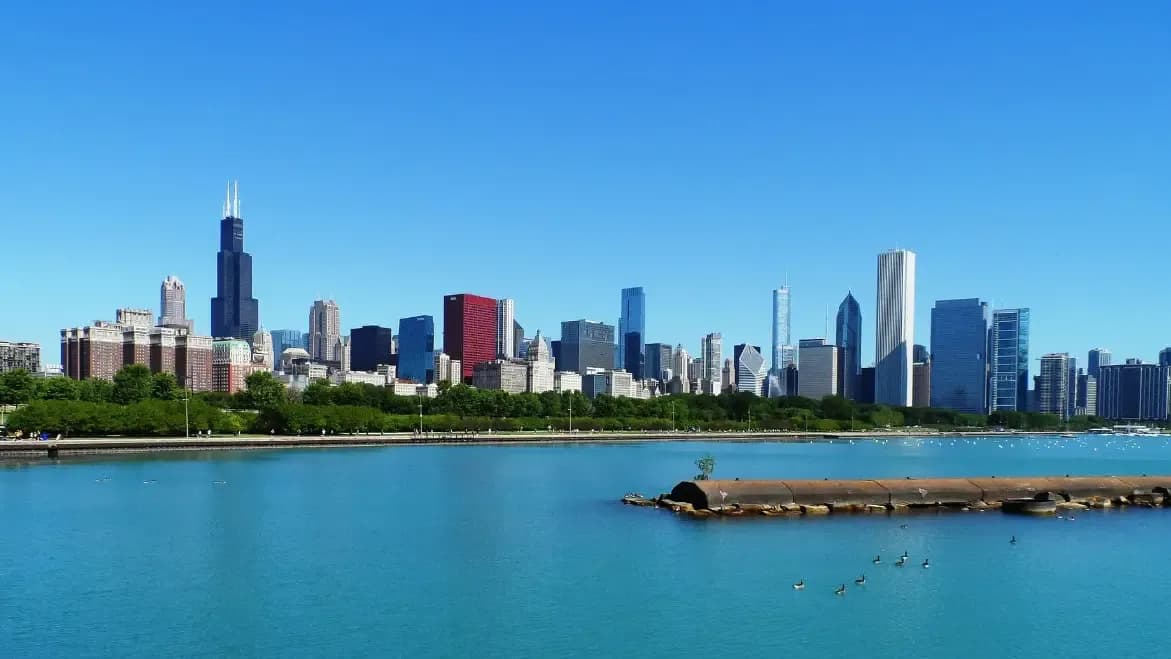
Chicago Mayor Brandon Johnson has proposed raising the city's sports betting tax from 10.25% to 20% in his 2027 budget, even as operators challenge the existing levy and Illinois lawmakers seek to restrict local gambling taxes. The city expects the increase to generate another $37 million annually.
Budget and revenue at stake
Johnson included the proposal in his $17.6 billion budget for 2027, which aims to close an $882 million deficit. Illinois Policy estimates that Chicago could lose $76.9 million in anticipated annual sports betting tax revenue as the levy faces challenges.
The mayor maintains that the revenue is:
“generated from the companies — not the actual bettors.” — Mayor Brandon Johnson
Chicago taxes adjusted gross sportsbook receipts, rather than individual wagers.
Illinois bills and operator lawsuit
Illinois Representative Daniel Didech introduced House Bill 4171 in 2025 to restrict local gambling taxes. Senate Bills 2800 and 2760 seek similar limits, potentially blocking Chicago from taxing sportsbooks before it collects the proposed increase.
The Sports Betting Alliance (SBA), which represents DraftKings, FanDuel and BetMGM, sued Chicago in December 2025 over the existing tax. The lawsuit argues that state authorities control revenue-based taxation unless Illinois expressly grants cities that power. A court victory for the operators could require Chicago to refund taxes already collected.
Potential costs for bettors
Operators could recover tax costs through higher fees or worse odds. DraftKings already charges some Illinois customers an extra 25 or 50 cents per wager to cover a separate state tax.
The Tax Foundation has warned that excessive sportsbook taxes can encourage bettors to use offshore platforms. Prediction markets could offer another alternative, potentially reducing activity at licensed sportsbooks.
Frequently Asked Questions
What Illinois bills would restrict local gambling taxes?
House Bill 4171 and Senate Bills 2800 and 2760 seek to restrict local gambling taxes. Representative Daniel Didech introduced House Bill 4171 in 2025.
Could Chicago have to refund sportsbook taxes?
Chicago could have to refund previously collected taxes if the operators win their lawsuit. The Sports Betting Alliance argues that state authorities control revenue-based taxation unless Illinois expressly grants cities that power.
Do Illinois bettors already pay extra charges on wagers?
Some DraftKings customers in Illinois pay an extra 25 or 50 cents per wager to cover a separate state tax. Chicago's own levy applies to adjusted gross sportsbook receipts rather than individual wagers.
Why did Brandon Johnson propose a higher betting tax?
Johnson included the increase in a budget intended to help close an $882 million deficit. His proposed 2027 budget totals $17.6 billion.
Tags
About the author

Eleanor Whitfield
Regulatory Affairs Correspondent
Eleanor Whitfield tracks gambling legislation, licensing decisions, and regulator enforcement across key markets — from the UKGC, MGA, and Germany's GGL to Spain's DGOJ and the state-by-state map in the Americas. The reporting answers three questions precisely: what changed, where, and who it affects, with jurisdictions, effective dates, and penalty figures named exactly as published. Compliance officers and operators read Eleanor Whitfield to know which rulebook moved before their next board meeting.
More from Eleanor Whitfield