FDJ United Takes Meta to Court Over Gambling Ads in France
Belgian and Dutch cases also address illegal gambling promotions on Meta platforms.
Key Takeaways
- FDJ United is seeking an interim order against Meta over advertisements allegedly using its brands to promote illegal online casinos in France.
- A Paris hearing in the FDJ United case is scheduled for the first quarter of 2027, according to AFP.
- The Belgian Gaming Commission recorded 8,528 checks leading to reports to Meta about illegal gambling advertisements in 2025.
- Dutch trade association VNLOK summoned Meta before an Amsterdam court on 28 September 2026 over advertisements for providers without Dutch licences.
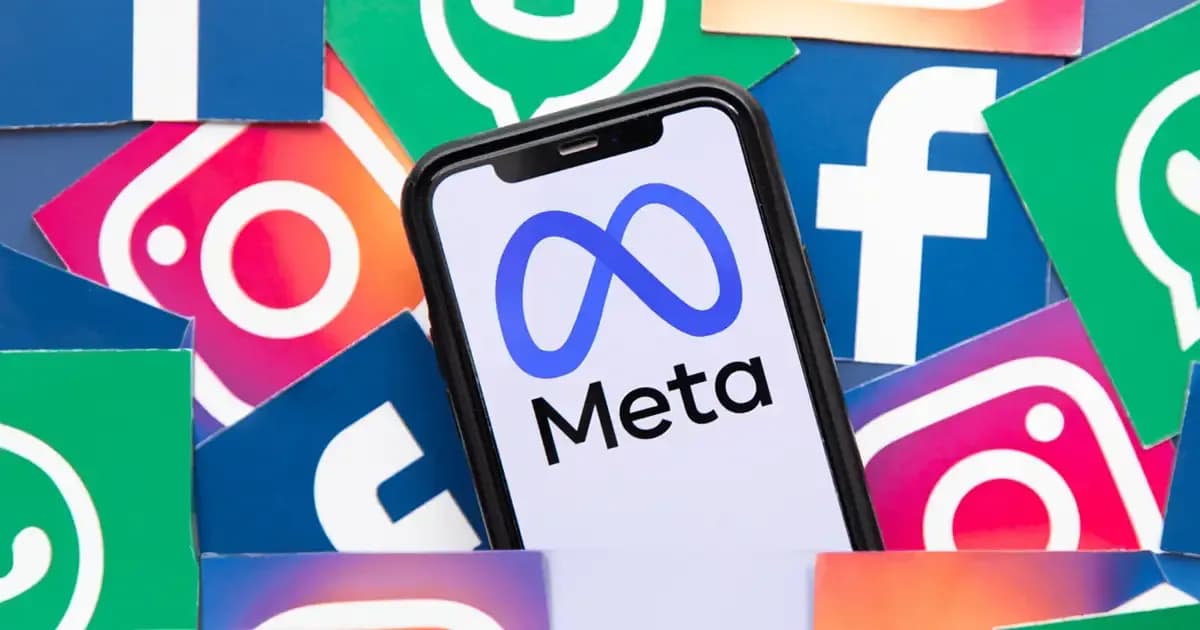
FDJ United has brought an urgent court action against Meta, seeking the removal of Facebook and Instagram advertisements it says copy its brands to promote illegal online casinos in France. A Paris hearing is scheduled for the first quarter of 2027, according to AFP.
The French gambling group says it counted 226 new posts it considered illegal over four days in May. The dispute follows similar concerns in Belgium, where the Belgian Gaming Commission reported thousands of illegal gambling advertisements to Meta in 2025.
What FDJ United is asking the court to do
Stéphane Pallez, chair and CEO of FDJ United, announced the legal action on 16 November 2026 in an opinion article in French business newspaper Les Échos. The company is seeking an interim order to have the advertisements removed. AFP reported that Meta, the parent company of Facebook and Instagram, had been served with the summons.
FDJ United alleges that advertisers copied its brand names and other identifiable features. Some posts also allegedly imitated partner sales outlets or the front pages of well-known newspapers, potentially making gambling offers appear to come from the group or to have received press coverage. A familiar image could be mistaken for a genuine advertisement by someone scrolling quickly through a feed.
The company's count covered 18 to 21 May. It says many of the 226 new Facebook and Instagram posts were identical or very similar to material it had already reported. The figure is FDJ United's own count.
As far as publicly known, the Paris court has not ruled on the allegations. No public response from Meta to the French proceedings was found in the reporting consulted.
A previous French case concerned casino group Barrière. In April 2024, a judge ordered Meta to take action against advertisements using Barrière brands to promote online casino games on Facebook, Instagram and Messenger to users in the European Union. The Paris court of appeal upheld that decision in January 2026. FDJ United is seeking an interim measure for its own brands.
Belgian cases and reporting to Meta
Belgian businesses have also seen their identities used in false advertisements. In July 2025, Gambling Club reported that sponsored Facebook posts used the name and imagery of PepperMill Casino, including photographs of its gaming venues in Maasmechelen and Hoevenzavel. The posts promised free spins and directed users to platforms outside Belgium's licensing system. A logo and corporate styling were also used to promote a fake app.
Other Facebook and Instagram advertisements promoted a supposed Bol Casino using the name and logo of online retailer Bol. Gambling Club had previously reported on that use of the retailer's brand in a gambling offer.
The Belgian Gaming Commission's 2025 annual report recorded 8,528 checks that led to reports to Meta about illegal gambling advertisements. Among the practices identified were operators presenting themselves as licensed Belgian providers. The figure does not establish how many advertisements Meta removed or how many Belgian users saw them beforehand.
A separate Belgian court intervention involved specific sites and Facebook pages. In June 2025, the president of the French-language business court in Brussels ordered a series of illegal gambling sites blocked from Belgian territory. In the Belgian enforcement decision covering gambling sites and Facebook pages, the Economic Inspectorate required Meta to take appropriate measures to make several specifically identified pages inaccessible in Belgium. The decision concerned the pages named in that case.
Different rules and a Dutch claim
France and Belgium have different rules for online casino games. France's gambling regulator, the Autorité nationale des jeux (ANJ), says online casino games are prohibited in France even where a website displays a foreign licence. Online sports betting, horse-race betting and poker are permitted through operators holding the appropriate French licence.
An online casino can operate legally in Belgium with the appropriate Belgian licence. The Belgian Gaming Commission publishes a licence register and a blacklist of illegal gambling sites. Illegal operators sometimes change domains, so a recently used address may not yet appear on the blacklist.
In the Netherlands, trade association VNLOK summoned Meta before a court in Amsterdam on 28 September 2026. VNLOK says advertisements for providers without Dutch licences continued to reach consumers on Facebook and Instagram despite repeated reports. Gambling Club had previously examined what the Dutch case could mean for Belgium's gambling sector.
The Dutch claim concerns advertising for illegal providers targeting the Dutch market. FDJ United's Paris action focuses on alleged use of its own brands and identifying features. Both cases raise questions about what happens after a platform receives a report, including when a similar image or message reappears after an advertisement is removed.
FDJ United's player campaign
FDJ United launched a national campaign in France on 16 November 2026 about the risks of illegal gambling. It began in print and online at the opening of European Safer Gambling Week. Pallez called for cooperation among gambling operators, digital platforms, banks and payment service providers, associations and sports organisations.
The ANJ warns that players using illegal sites may not receive their winnings and that identity or banking information can be misused. Players also lack the protections attached to licensed French gambling services. An advertisement bearing the name of a licensed casino, newspaper or retailer can lead to a page operated by someone else; the exact domain can be checked against the Belgian regulator's register before sharing personal data, installing an app or depositing money.
Frequently Asked Questions
What did FDJ United find in its review of gambling ads?
FDJ United counted 226 new posts it considered illegal on Facebook and Instagram between 18 and 21 May. The company says many were identical or very similar to material it had already reported.
Has a French court previously ordered Meta to act on casino ads?
A French judge ordered Meta to act against advertisements using Barrière brands in April 2024. The order covered Facebook, Instagram and Messenger advertisements targeting European Union users, and the Paris court of appeal upheld it in January 2026.
Are online casinos legal in France and Belgium?
Online casino games are prohibited in France, while an online casino can operate legally in Belgium with the appropriate Belgian licence. The ANJ says a foreign licence does not make online casino games legal in France; licensed sports betting, horse-race betting and poker are permitted there.
What happened to Facebook pages in the Belgian enforcement case?
The Economic Inspectorate required Meta to take appropriate measures to make several specified Facebook pages inaccessible in Belgium. The enforcement decision followed a June 2025 court order to block a series of illegal gambling sites from Belgian territory.
What risks did the French regulator identify for players on illegal sites?
The ANJ warns that players may not receive their winnings and that identity or banking information can be misused. It also says players lack the protections attached to licensed French gambling services.
Tags
About the author

Eleanor Whitfield
Regulatory Affairs Correspondent
Eleanor Whitfield tracks gambling legislation, licensing decisions, and regulator enforcement across key markets — from the UKGC, MGA, and Germany's GGL to Spain's DGOJ and the state-by-state map in the Americas. The reporting answers three questions precisely: what changed, where, and who it affects, with jurisdictions, effective dates, and penalty figures named exactly as published. Compliance officers and operators read Eleanor Whitfield to know which rulebook moved before their next board meeting.
More from Eleanor Whitfield