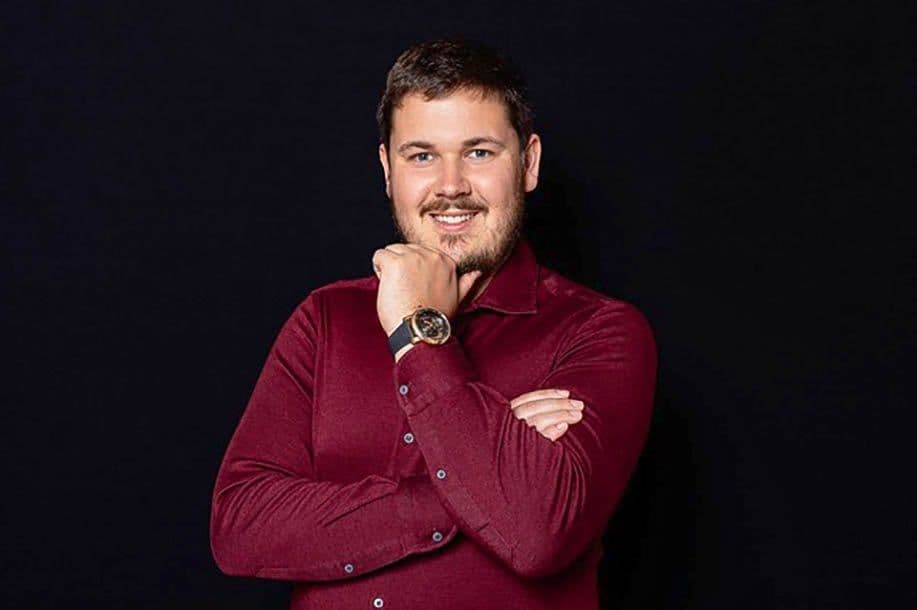
Adrian Kreter: AI, tighter taxes and tougher iGaming regulation in Europe
Investor Adrian Kreter warns regulatory tightening, tax shifts and AI-driven fraud risks for operators.
Key Takeaways
- Adrian Kreter expects significant tightening of iGaming licensing and sector‑specific taxes across Europe.
- Kreter warns AI both accelerates compliance work and makes document and liveness fraud harder to detect.
- He invested over €15 million in AK Aviation in Malta in 2025 and is commercially linked to ArriTech and Instacoins.
- Kreter said heavy taxation risks pushing operators outside regulated European jurisdictions, reducing oversight.
Adrian Kreter told Rahapelisanomat on 13 October 2026 that regulation and taxation of the iGaming sector will tighten materially across Europe, and that artificial intelligence will accelerate both compliance and criminal techniques. Kreter named Malta, Georgia and EU-level proposals as focal points for change and noted his own business interests — ArriTech, Instacoins and AK Aviation — when explaining where he sees risks and opportunity.
Investor background and business interests
Adrian Kreter is an active investor across AML, KYC and aviation sectors. His company ArriTech provides anti-money laundering services, customer‑due‑diligence (KYC) and fraud-prevention tooling. Kreter's portfolio also includes cryptocurrency services provider Instacoins and the Dutch wine house Robbers & van den Hoogen. In 2025 he founded AK Aviation with an investment of over €15 million in Malta; the firm acquires and leases business jets. Kreter sits on the board of Turicum Private Bank and runs the Kreter Foundation, which funds projects in education and mental health.
iGaming regulation and taxation — what Kreter expects
Kreter said he expects significant regulatory tightening for online gambling across Europe and beyond. He pointed to two drivers: more demanding licensing regimes and a rising number of taxes aimed specifically at the iGaming sector. At EU level, Kreter referenced a proposal from European Parliament vice‑president Victor Negrescu and the S&D group for an EU levy on online gaming and betting to help fund the bloc's budget. He noted Malta's strong opposition to that idea and urged a "cautious, balanced" approach.
Kreter warned that excessive taxation risks displacing activity outside regulated European jurisdictions, which would reduce effective oversight and harm responsible‑gaming protections. He cited Georgia as an example where governments try to attract companies but then apply differential tax treatment to iGaming firms; that pattern, he said, is likely to continue.
How AI is reshaping compliance and criminality
Kreter described artificial intelligence as already central to compliance work in fintech and AML operations, including at Instacoins. He said AI accelerates legitimate tasks but also empowers fraudsters. He singled out increasingly convincing deepfake videos and fabricated documents as practical problems for KYC and liveness checks.
"AI acts as an enabler: it makes existing methods more sophisticated and easier to use," Kreter said, noting that some previously detectable forgeries have become much harder to spot.
He expects countermeasures to catch up over time, pointing to watermarking and other authentication tools deployed at the European level. Nevertheless, Kreter warned that detection systems must evolve continuously because criminals will use the same AI primitives as defenders.
Market consequences for operators and suppliers
Kreter does not currently hold direct iGaming equity, but he has commercial exposure through ArriTech and Instacoins. He argued that stricter licensing and higher sectoral taxes will raise entry costs and compliance burdens. That creates demand for AML and KYC vendors, he said, but it also increases the chance that operators will seek jurisdictions outside European oversight.
For suppliers to the regulated market, Kreter sees opportunity in expanding product suites beyond traditional customers. He explained that ArriTech has broadened its client base to include regulated professions such as local notaries, aiming to serve sectors with compliance obligations similar to iGaming.
Who benefits from AI: incumbents or challengers?
Kreter took a measured view on whether AI helps large incumbents or gives smaller entrants a shortcut. In the short term, AI can lower development costs and enable small teams to build features without a large engineering bench. That, he said, gives startups an opening in marketing and product development.
Over the longer term, Kreter believes big companies will likely capture more of AI's value because they have the budgets and infrastructure to hire specialists. He forecast the emergence of in‑house AI teams tasked with raising efficiency and integrating tools across large operators.
Security, reputation and Malta after high‑profile cases
Kreter addressed concerns about Malta's attractiveness to international investors following high‑profile incidents. He declined to pass judgment on the recent Yorgen Fenech legal developments, noting he no longer lives permanently in Malta and has not followed the case closely. The source article records that Yorgen Fenech was released from charges in September 2026 and that prosecutors have appealed the decision.
Kreter did say the 2017 murder of Maltese investigative journalist Daphne Caruana Galizia — killed by a car bomb — remains a shocking event that shapes perceptions of Malta for international investors. He also pointed to banking-sector scandals in the Baltics involving Danske Bank and Swedbank as examples of wider reputational and compliance risks that can spill across markets.
Practical implications for operators and investors
Kreter offered a short checklist of practical considerations for market participants:
Expect tougher licensing and more targeted taxes on iGaming revenue streams.
Budget for increasing compliance costs, including advanced KYC, document verification and transaction monitoring.
Invest in AI detection tools that evolve alongside generative threats.
Monitor jurisdictional tax treatment carefully; incentives can be conditional and change quickly.
He emphasised that regulatory pressure creates commercial demand for vendors offering integrated AML/KYC solutions and that companies which fail to adapt may lose out if consumers migrate to unregulated alternatives.
Where product differentiation will matter
Kreter believes user experience will remain the deciding factor for licensed operators. He argued that "what makes us unique" — product features that comply with rules while providing differentiation — will determine winners and losers. At the same time, he expects the competition with criminal actors to intensify, so operators will need both better UX and stronger fraud defences.
Kreter pointed to ArriTech's own evolution as an example of a company that has expanded into adjacent regulated sectors and grown market share by refreshing its product offering. He said watching a business develop from early investment to mature execution is one of the most satisfying parts of his work.
For readers interested in regulatory developments, the interview situates Kreter's view at the intersection of compliance technology, AI risk and shifting tax politics. The practical risk he underlined is straightforward: stricter rules and higher taxes aimed specifically at iGaming will increase costs for regulated operators and could push some activity beyond the reach of European supervision. For vendors and investors, that dynamic both creates opportunities and amplifies reputational risk in established hubs like Malta.
Related reporting on EU and national reform is available in our regulation section and analysis of platform and vendor opportunities appears in b2b.
Frequently Asked Questions
What companies does Adrian Kreter own or invest in?
Adrian Kreter owns ArriTech and has stakes in Instacoins and Robbers & van den Hoogen; he also founded AK Aviation with an investment of over €15 million in Malta in 2025 and sits on the board of Turicum Private Bank.
How does Kreter view AI's impact on iGaming KYC and fraud?
Kreter says AI already speeds up compliance tasks but also makes forgeries and deepfakes more convincing, complicating KYC and liveness checks and forcing detection tools to evolve.
What did Kreter say about Malta's investment climate after recent cases?
Kreter acknowledged the 2017 murder of Daphne Caruana Galizia as damaging to perceptions and noted the Yorgen Fenech release from charges in September 2026 is still subject to prosecutors' appeal; he added he no longer lives permanently in Malta and has followed the case only indirectly.
Tags
About the author

Oliver Grant
Industry Technology Correspondent
Oliver Grant covers the technology and business machinery of iGaming — platform and data deals, AI and compliance tooling, affiliate and marketing shifts, and the quarterly numbers behind them. The reports lead with the announcement, name the vendors and figures exactly as published, and separate genuine capability from press-release promise. When a supplier ships a new engine or a regulator tightens ad rules, Oliver Grant explains what actually changes for the companies involved.
More from Oliver Grant