Evoke Shareholders Approve £243m Bally’s Intralot All-Share Takeover
99.63% of evoke shares vote in favour as the £2.2bn enterprise value deal, including legacy William Hill assets, moves to completion in early 2027.
Key Takeaways
- Evoke shareholders approved Bally’s Intralot’s £243m all-share acquisition.
- The transaction places evoke’s enterprise value at £2.2bn, factoring in existing debt from the William Hill asset purchase.
- 99.63% of evoke shares voted in favour at the 17 August meetings.
- The deal is set to complete in Q1 2027, pending closing and regulatory conditions.
- Bally’s Intralot reported 199% YoY revenue growth for Q2, as Bally’s Corporation faces debt covenant concerns.
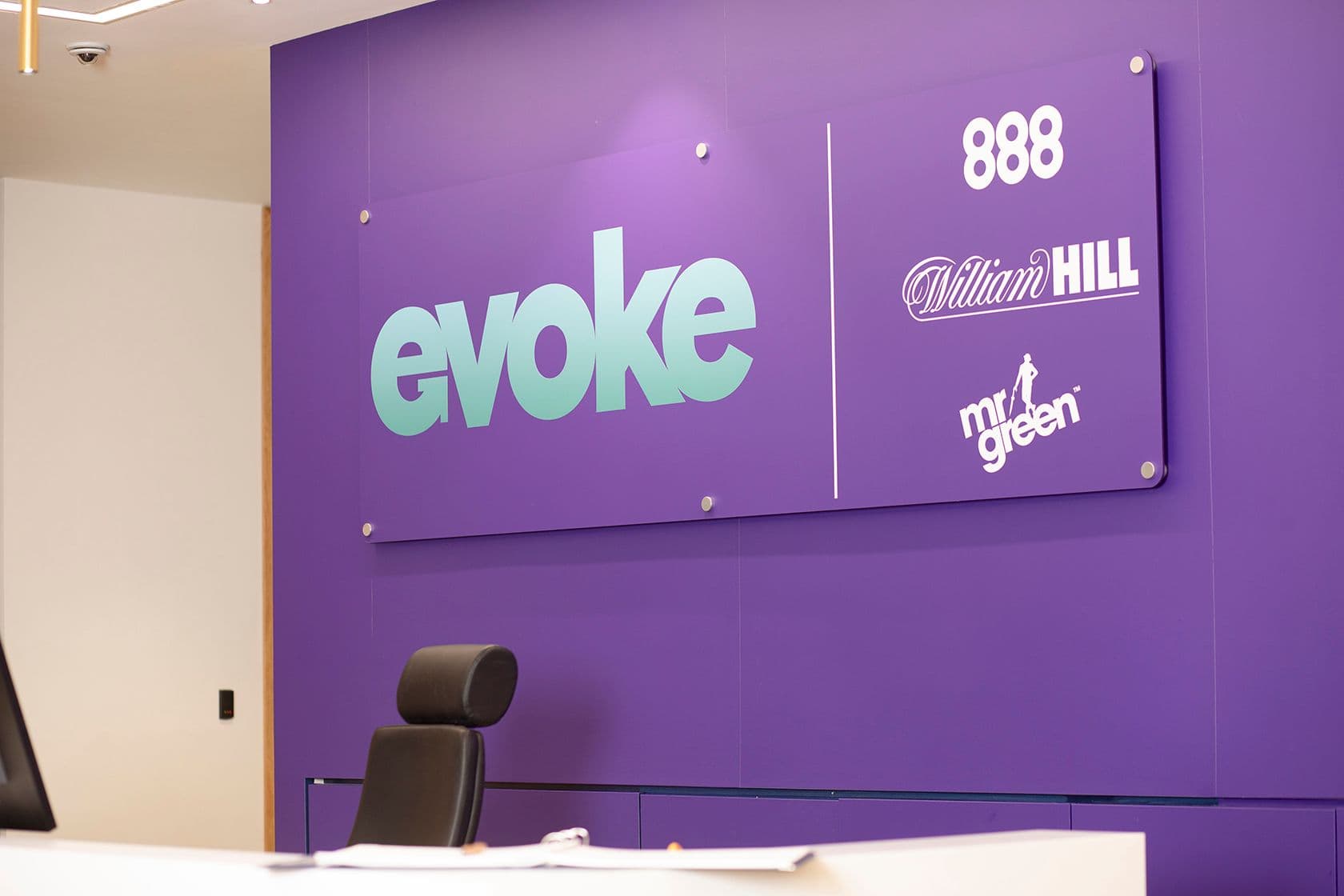
Shareholders of evoke have overwhelmingly approved the £243 million all-share acquisition by Athens-listed Bally’s Intralot. This transaction, which values evoke at £2.2 billion including its existing debt, was formalised via a court meeting and a general meeting held on 17 August. The deal is expected to close in the first quarter of 2027, subject to customary closing and regulatory conditions.
Evoke’s Shareholders Back Bally’s Intralot Takeover
At the 17 August court meeting, 30 scheme shareholders supported Bally’s Intralot’s proposed acquisition while only one shareholder voted against. The subsequent general meeting saw 99.63% of votes cast in favour and 0.37% opposing, out of a total of 269,432,165 shares. The high level of approval clears a significant hurdle, moving the deal toward final closing and regulatory steps in b2b sector consolidation.
Transaction Overview and Valuation
The acquisition structure is an all-share deal, putting evoke’s total enterprise value at £2.2 billion. This includes debt stemming from evoke’s leveraged 2022 purchase of William Hill’s non-US assets. The transaction timeline has stretched since Bally’s Intralot made its first move in January, offering 32p per share—a bid initially rejected after evoke’s board started a strategic review to explore a sale. Bally’s Intralot increased its proposal to 50p per share, then ultimately to 52p a share, with terms agreed after the strike date extension from 18 May to 8 June.
Regulatory Approvals and Deal Completion
Completion of the acquisition is targeted for Q1 2027, pending final closing conditions and regulatory approvals. The votes represent a pivotal milestone, but as common in industry dealmaking, the transaction’s close is subject to further review by relevant licensing authorities and oversight bodies in key markets.
Bally’s Intralot Financials and Rationale
Bally’s Intralot, listed in Athens, announced a year-on-year revenue surge of 199% to €544.2 million (£465.8 million) for Q2. In the company’s financial reporting, CEO Robeson Reeves commented:
"Our accomplishments during the quarter strengthen our confidence in the value we can create together. The same playbook of cost discipline and organic growth translates directly to a business of evoke’s scale and customer reach." — Robeson Reeves, CEO, Bally’s Intralot
Bally’s Corporation, which holds a majority stake in Bally’s Intralot, reported a 20% YoY increase in Q2 group revenue to $792.2 million (£585.8 million). However, its shares fell by 25% on 17 August after management highlighted possible issues with meeting debt covenants. Public filings to the Securities and Exchange Commission on 14 August stated Bally’s Corporation "does not project that it would satisfy the liquidity maintenance requirement" or the "consolidated net leverage ratio covenant" in its loan agreements. These factors add a layer of complexity to the deal's funding and overall group strategy.
Strategic Context: Legacy Assets and Sector Consolidation
Evoke’s 2022 acquisition of William Hill’s non-US assets, largely financed through debt, continues to shape the company’s valuation and deal structure. The current takeover by Bally’s Intralot reflects ongoing casino and b2b consolidation trends, as operators seek to balance organic growth with disciplined cost management strategies across international markets. Regulatory scrutiny and integration of legacy assets may influence the timetable and operational priorities post-completion.
Next Steps for Stakeholders
As the deal advances through closing and regulatory reviews, attention will turn to integration planning between Bally’s Intralot and evoke. Investors and lenders will watch how the combined entity addresses leverage, liquidity, and growth targets in the context of ongoing sector realignment.
Frequently Asked Questions
When is the Bally’s Intralot evoke acquisition expected to complete?
The acquisition is expected to close in the first quarter of 2027, pending closure and regulatory approvals following overwhelming shareholder support on 17 August.
What is the total enterprise value of evoke in the takeover?
Evoke’s total enterprise value in the Bally’s Intralot deal is £2.2bn, including the debt incurred from its leveraged acquisition of William Hill’s non-US assets in 2022.
How did evoke shareholders vote on the Bally’s Intralot deal?
At the 17 August meetings, 99.63% of evoke shares voted in favour of the all-share takeover by Bally’s Intralot, with only 0.37% in opposition out of 269,432,165 shares.
What financial challenges does Bally’s Corporation face after the takeover vote?
Bally’s Corporation saw its shares drop 25% after raising concerns about meeting debt covenants, citing in SEC filings that it may not satisfy liquidity and consolidated net leverage requirements despite a 20% YoY rise in Q2 revenue.
Why is the William Hill asset purchase relevant to the evoke valuation?
The 2022 leveraged acquisition of William Hill’s non-US assets by evoke directly contributed to its current enterprise value and the debt profile included in the Bally’s Intralot takeover.
Tags
About the author

Marcus Webb
Industry Deals Correspondent
Marcus Webb covers the deal flow of the gambling industry — operator strategy, M&A, market entries, and product launches from sportsbook rebrands to full platform migrations. The reports name the companies, valuations, and jurisdictions exactly as disclosed and separate the announcement from its market impact. When a group consolidates a brand or a challenger launches into a new state, Marcus Webb explains who gains, who pays, and what closes next quarter.
More from Marcus Webb